


Table of Contents
- 1. The Science-Based Sensory Checklist: Is Your Milk Safe or Spoiled?
- 2. If You Have 1 Cup Left: DIY Buttermilk and Nourishing Skincare Masks
- 3. If You Have 1 Pint Left: Creamy Soups, Mac and Cheese, and Fluffy Pancakes
- 4. If You Have Half a Gallon Left: Homemade Ricotta Cheese and Fresh Paneer
- 5. If You Have More Left: Proper Freezing Techniques and Calcium-Rich Plant Fertilizer
- Savor Every Drop: Your Culinary Journey Continues
- Questions We Gently Stir Up
There is a quiet beauty in a simple carton of milk, a versatile staple that forms the backbone of so many cherished recipes.
When you notice that expiration date creeping closer, do not view it as a countdown to waste.
Instead, see it as an invitation to transform a humble ingredient into something truly extraordinary and flavorful.
As a seasoned cook, I believe every drop of liquid gold deserves a second life in your kitchen.
From the velvety richness of a homemade bechamel sauce to the tender crumb of a freshly baked cake, milk nearing its peak is often at its best for culinary experimentation.
You have the power to create professional quality results right at your own stove.
Let us explore these seven clever techniques that will elevate your daily meals while keeping your pantry efficient.
Whether you are a busy parent or an aspiring chef, these tips ensure that nothing goes to waste and every bite remains delicious.
It is time to roll up your sleeves and discover the joy of mindful, sustainable cooking.
1. The Science-Based Sensory Checklist: Is Your Milk Safe or Spoiled?
Before you pour that carton down the drain, let us pause and consult your senses. The printed date is a guideline for quality, not a deadline for safety.
Your palate is an incredible tool. It can detect the shift from wholesome to past its prime. Let us explore the science of dairy aging together.
Dairy Detective Tips
- The Sniff Test: Give your milk a quick smell before pouring. A distinct sour odor is your first clue that lactic acid bacteria have multiplied past their prime.
- The Texture Check: Pour a small splash into a clear glass. If you notice any clumping, separation, or an unusually thick consistency, it is time to toss it.
- Rethink the Date: Remember that printed dates indicate peak quality, not a hard safety deadline. Trust your senses first to avoid unnecessary food waste.
The Olfactory Test


Open the carton and take a gentle sniff. Fresh milk has a clean and slightly sweet aroma. When bacteria multiply, they produce lactic acid.
This creates a distinct, sharp odor. If the scent reminds you of sour cream or old cheese, the milk has officially crossed into spoilage territory.
However, a faint tang simply mimics leftover yogurt whey.
The Nose Knows
- Pour it into a glass first. Smelling straight from the carton can be misleading because dried milk residue on the rim often smells sour even if the milk inside is perfectly fresh.
- Trust your initial reaction. The human nose is highly sensitive to lactic acid. If your first instinct makes you recoil, do not drink it.
- Clear your nasal palate. If you just cooked with strong ingredients like garlic or onions, step into fresh air before testing your milk to ensure an accurate scent reading.
Visual and Textural Cues

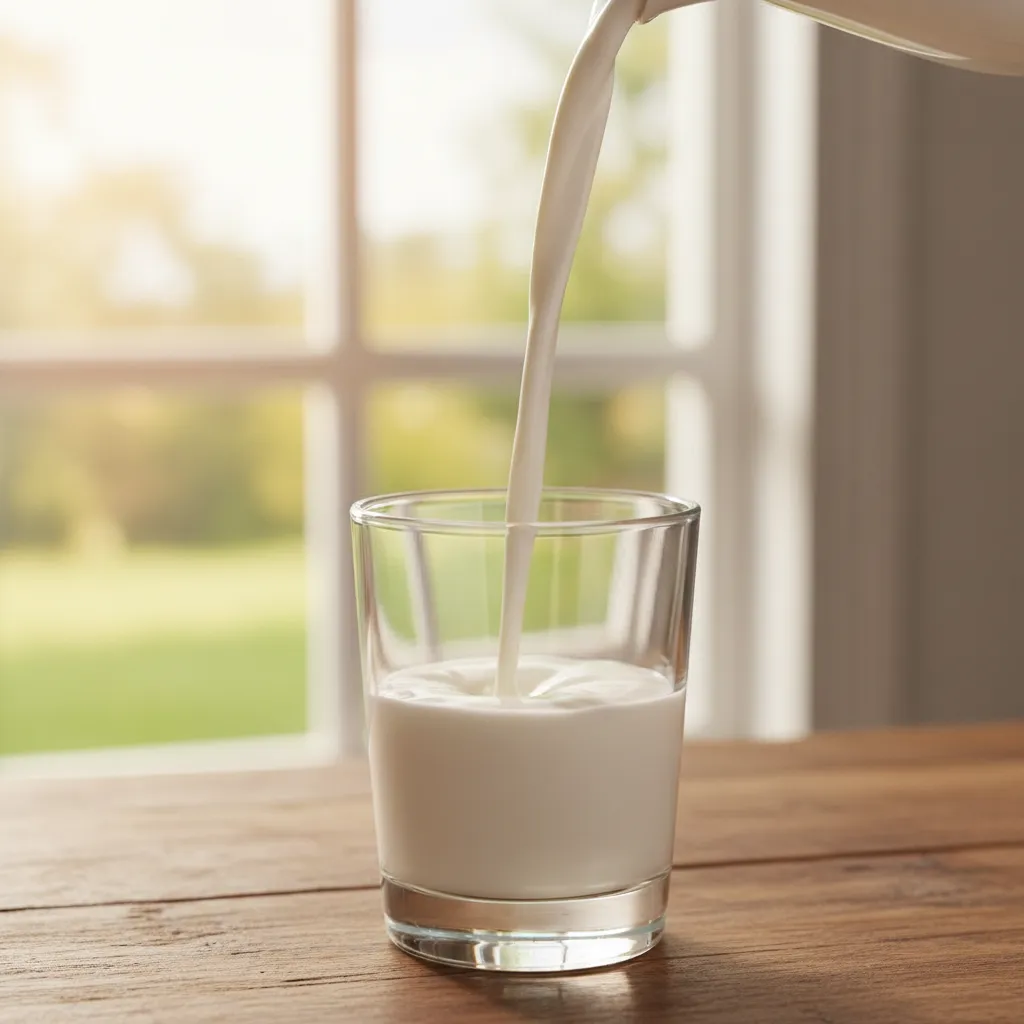
Next, pour a small amount into a clear glass. Observe the texture under bright lighting. You want a smooth, creamy liquid that coats the glass evenly.
If you see small lumps, separation, or a yellowish hue, stop right there. These physical changes indicate that the milk proteins are breaking down.
When proteins curdle unexpectedly, it ruins the mouthfeel and any savory infusion you plan to cook. Always discard chunky milk immediately.
| Sensory Trait | ✅ Safe to Consume (Almost Expired) | ❌ Spoiled (Do Not Drink) |
|---|---|---|
| Smell | Clean, neutral, or very faintly sweet | Sharp, sour, or yeast-like odor |
| Texture | Smooth, fluid, and evenly mixed | Lumpy, chunky, or separated curds |
| Color | Opaque and bright white | Yellowish tint or cloudy appearance |
| Taste (If Unsure) | Mild, creamy, and pleasant | Bitter, distinctly sour, or acidic |
Spoiled foods will develop an off odor, flavor or texture due to naturally occurring spoilage bacteria. If a food has developed such spoilage characteristics, it should not be eaten.
USDA Food Safety and Inspection Service, Food Product Dating
Mastering this checklist prevents food waste. It empowers you to make confident, sustainable choices in your home kitchen every single day.
Much like fermenting vegetables, trusting your nose is key.
Your senses are the ultimate kitchen timer; trust your eyes and nose before you trust the printed date on the carton.
If your milk passes this sensory test but is nearing expiration, it is prime time to use it. You can easily transform it into a culinary masterpiece.
The Expert’s Freshness Guide
- To catch early signs of spoilage, pour a sample into a dark-colored mug; the white proteins and tiny curds will stand out much more clearly against a dark background than a clear glass.
- If milk looks fine but is nearing its date, perform a Heat Test. Microwave a small amount until hot; if it feathers or separates under heat, the acidity is too high for safe drinking.
- Always wipe the spout of the carton before testing. Dried residue on the rim often smells sour even when the milk inside is perfectly fresh, which can lead to unnecessary food waste.
2. If You Have 1 Cup Left: DIY Buttermilk and Nourishing Skincare Masks

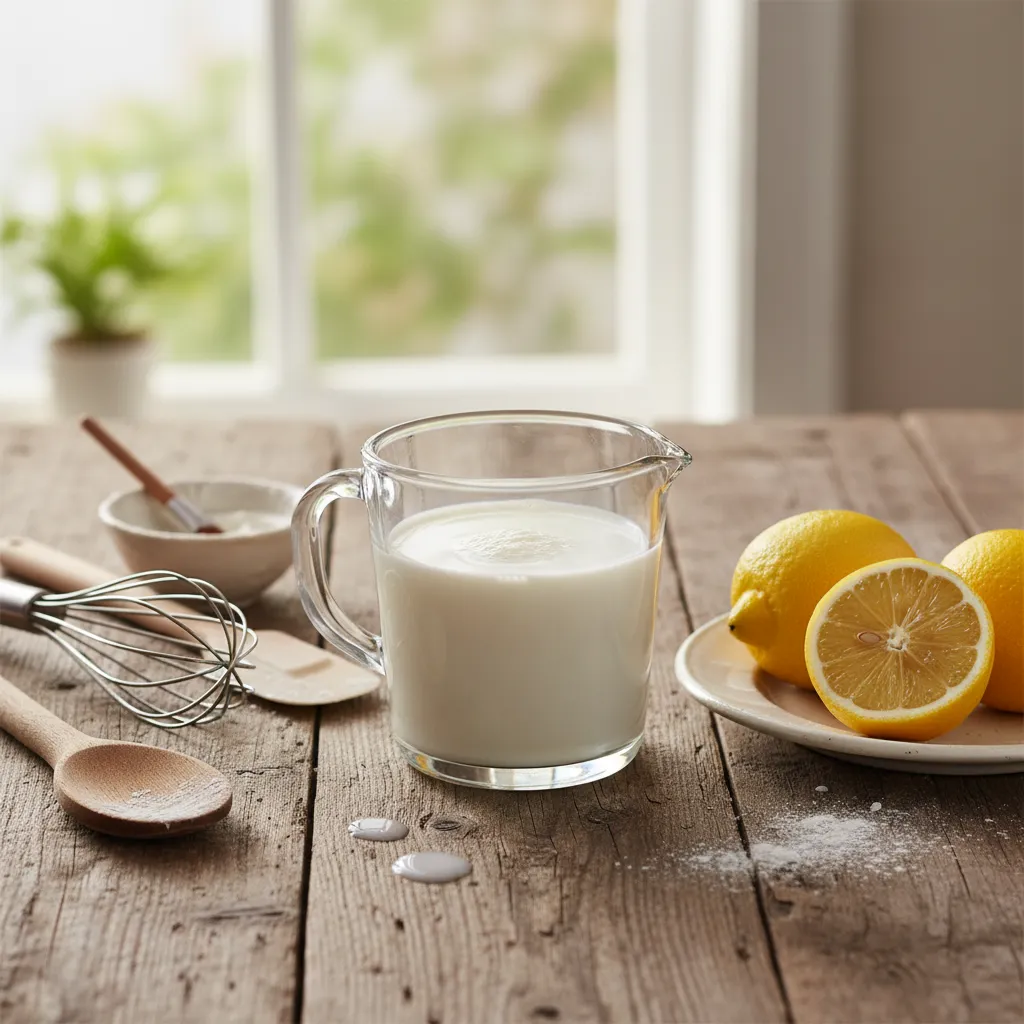
When you have just one cup of milk left, do not pour it down the drain. This small amount is a culinary treasure waiting to be unlocked.
Slightly older milk is perfect for both artisanal kitchen creations and wholesome self care routines. It is a fantastic zero waste ingredient.

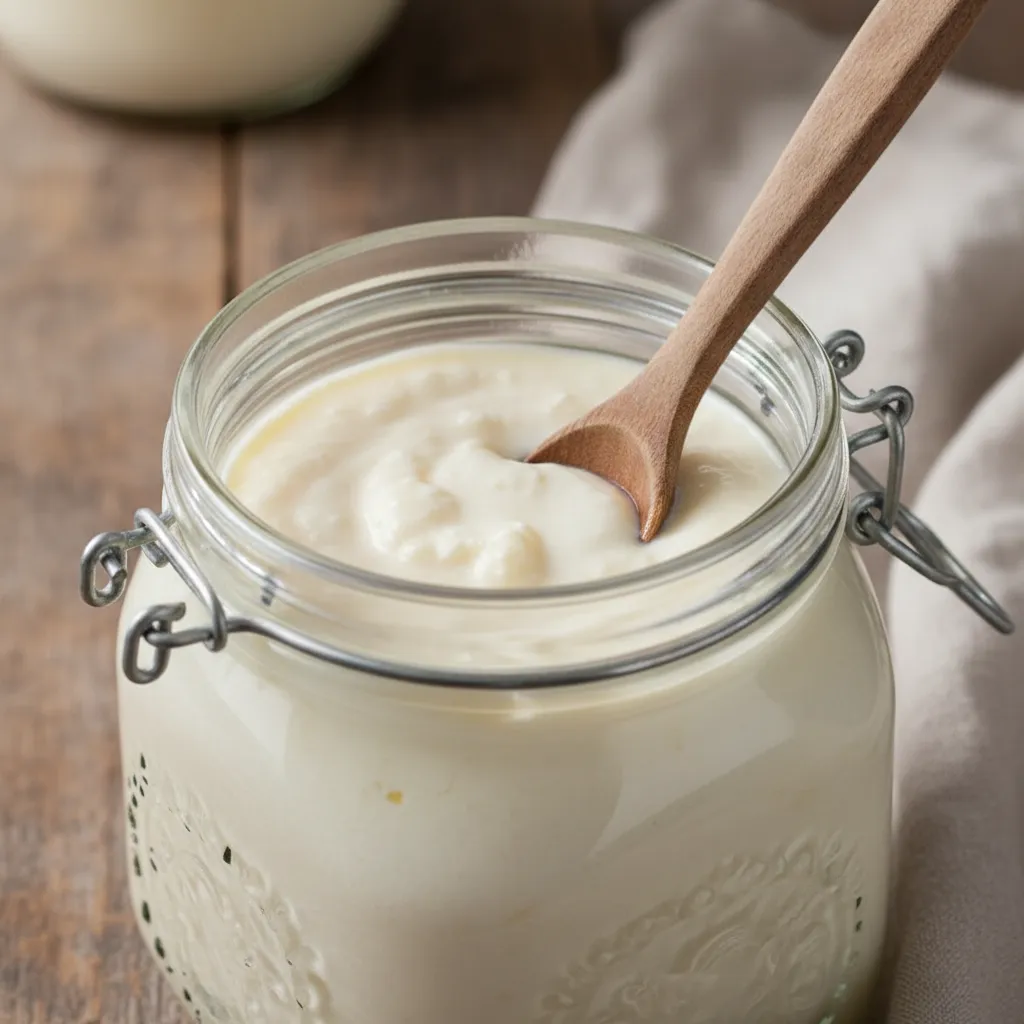
Artisanal DIY Buttermilk
Creating your own buttermilk is incredibly simple. This tangy liquid emulsifies beautifully in baking batters and savory marinades alike.
The acidity transforms the milk into a rich, flavorful ingredient. It guarantees a tender crumb in baked goods and tenderizes meat perfectly.

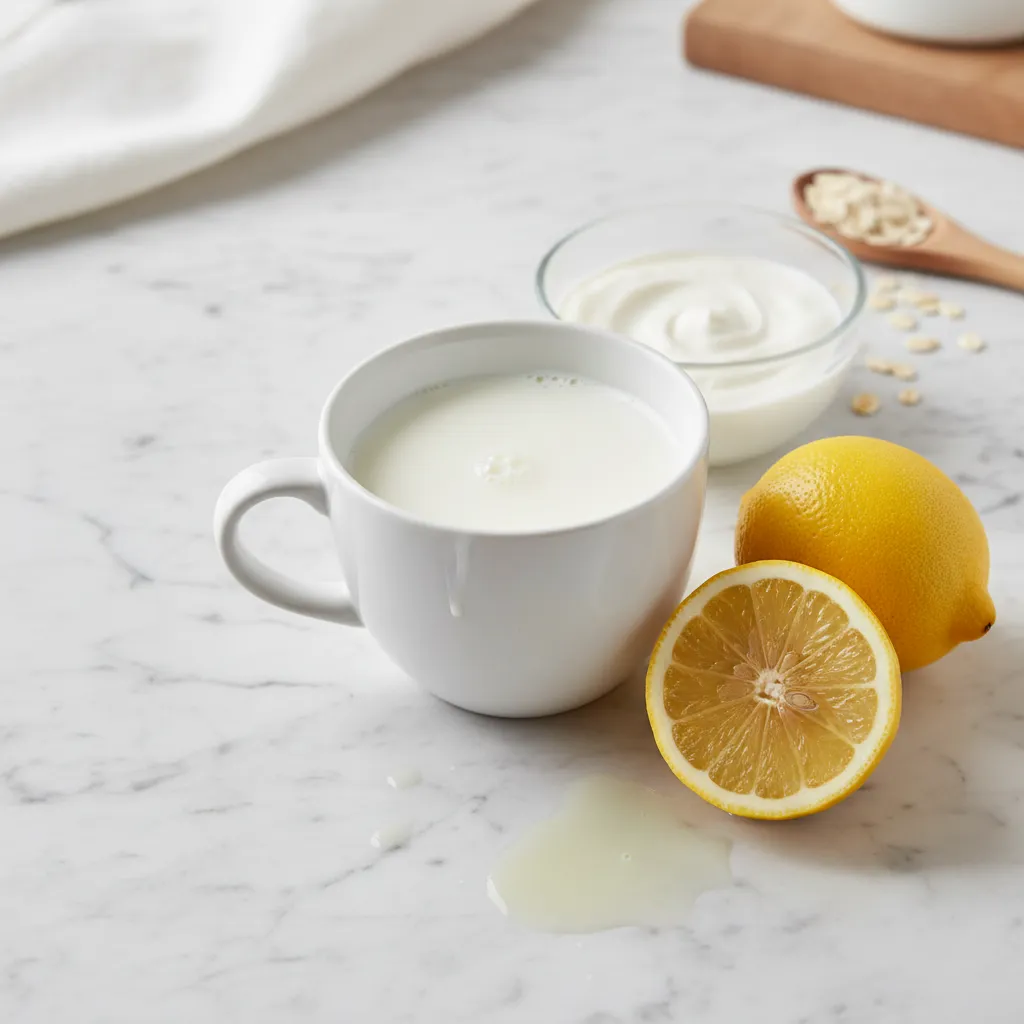
Ingredients
- 1 cup almost expired whole milk
- 1 tbsp fresh lemon juice or white vinegar
Instructions
- Pour the milk into a clean glass jar.
- Stir in the lemon juice gently to combine.
- Let it rest at room temperature for ten minutes.
- Observe the slightly curdled, thick texture.
- Use immediately for baking or store in the fridge.
This tangy liquid elevates fluffy pancake recipes. It brings an undeniable artisanal quality to your palate.
Transforming a simple cup of aging milk into rich buttermilk is the ultimate hallmark of a mindful, creative home cook.

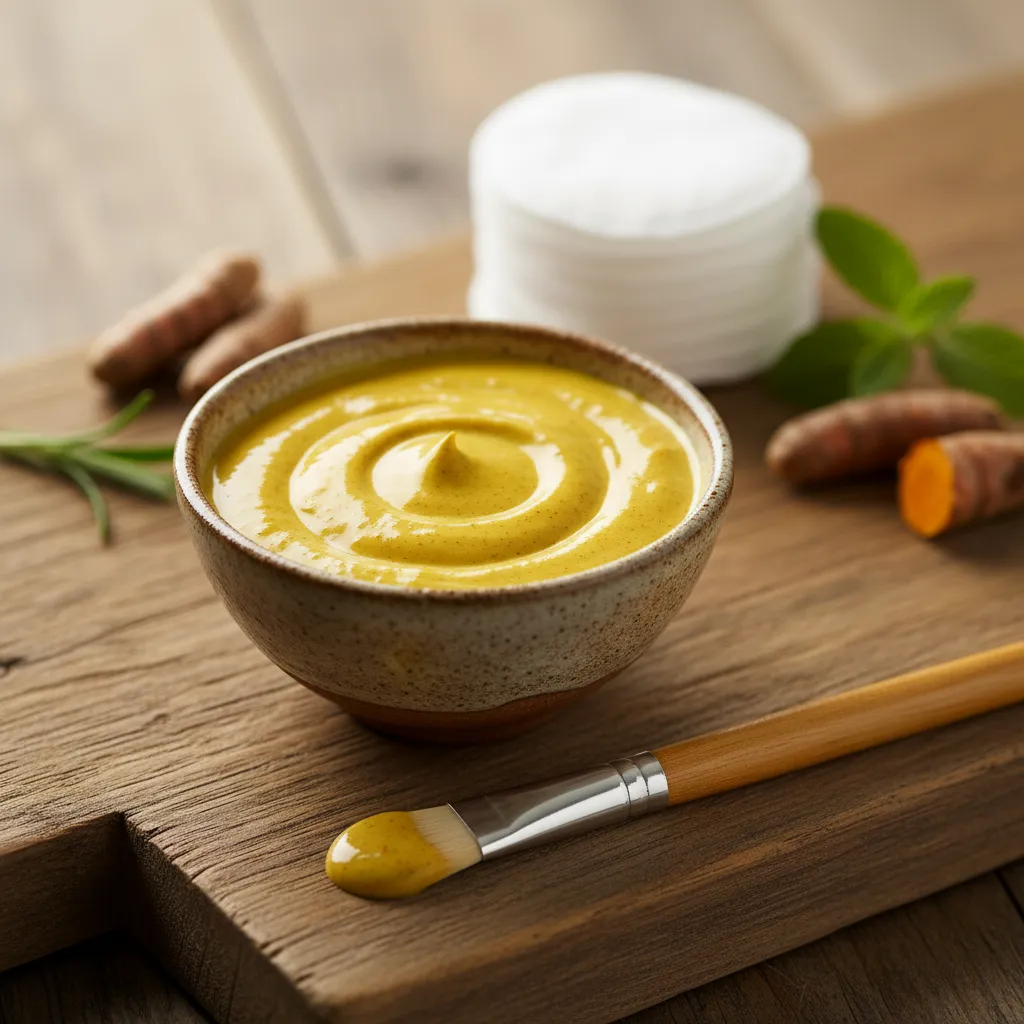
Wholesome Skincare Milk Masks
Milk is rich in lactic acid, a natural exfoliant. It gently removes dead skin cells and promotes a bright, glowing complexion effortlessly.
Using milk topically is an ancient beauty secret. The natural fats provide deep hydration while the subtle acidity refines your skin tone.
Lactic acid increases cell turnover and helps eliminate accumulated dead skin cells on the epidermis.
Healthline Medical Review, Healthline

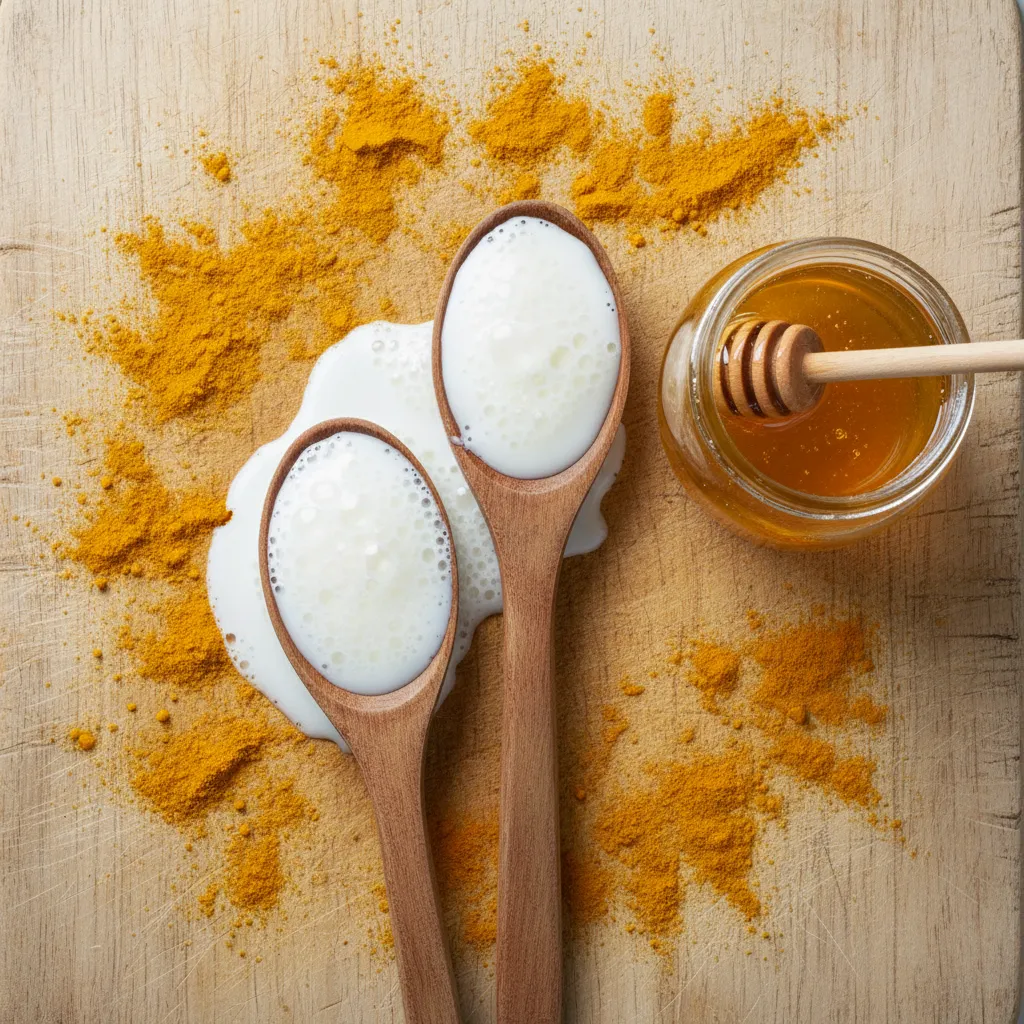
Ingredients
- 2 tbsp almost expired organic milk
- 1 tbsp raw honey
- 1 tsp organic turmeric powder
Instructions
- Whisk the milk, honey, and turmeric together.
- Apply the smooth paste to a clean, dry face.
- Let the mask sit for fifteen minutes to nourish.
- Rinse gently with warm water and pat dry.
Pair this topical treatment with cold pressed juice recipes for true radiance. Nourishing your body yields the best results.
The Sustainable Glow-Up
- For the fluffiest possible pancakes, ensure your DIY buttermilk reaches room temperature before mixing it into your dry ingredients to avoid clumping.
- To maximize the soothing benefits of your milk mask, chill the mixture in the refrigerator for five minutes before application to help reduce skin puffiness.
- If your DIY buttermilk curds more than expected, don’t worry; simply whisk it vigorously or give it a quick pulse in a blender to achieve a smooth, creamy consistency for baking.
3. If You Have 1 Pint Left: Creamy Soups, Mac and Cheese, and Fluffy Pancakes


Research shows consumers waste roughly 20 percent of dairy products globally, according to the FAO. Saving that last pint easily prevents this.
Slightly older milk boasts a beautifully developed flavor profile. This subtle acidity enhances savory dishes and creates incredibly tender baked goods.
Slightly sour milk provides an acidic environment that tenderizes gluten and activates baking soda, making it ideal for fluffy baked goods.
Culinary Science Team, America’s Test Kitchen Baking Guide
Creamy Artisanal Mac and Cheese


Transforming that last pint into an umami-rich cheese sauce is brilliant. The milk acts as a rich canvas for sharp cheddar and nutty gruyere.
As the milk reduces gently, it creates a luscious, velvety texture. This wholesome base coats al dente pasta beautifully for a deeply savory bite.
Ingredients
- 2 cups almost-expired whole milk
- 2 cups elbow macaroni, uncooked
- 2 tbsp unsalted butter
- 2 tbsp all-purpose flour
- 1.5 cups sharp cheddar cheese, grated
- 0.5 tsp smoked paprika
Instructions
- Boil the macaroni in salted water until al dente, then drain well.
- Melt butter in a large skillet over medium heat and whisk in the flour.
- Cook the roux for exactly one minute until lightly golden-brown.
- Gradually whisk in the 2 cups of milk until the mixture is completely smooth.
- Simmer for five minutes until the sauce thickens and coats the back of a spoon.
- Remove the skillet from the heat, stir in the grated cheese, and fold in the pasta.
Extra Fluffy Morning Pancakes


Older milk mimics buttermilk perfectly in baking applications. The natural lactic acid reacts with baking soda to create exceptionally tall, airy cakes.
If you want easy and fast fluffy pancakes recipes for busy mornings, using older milk is your ultimate secret ingredient.
- Zesty Lemon Ricotta: Fold in fresh lemon zest and creamy ricotta cheese for a bright, Mediterranean palate.
- Wholesome Berry: Gently mix in fresh blueberries to balance the rich, buttery batter with pops of delicious tartness.
- Caramelized Banana: Top your stack with pan-fried bananas and a sprinkle of organic cinnamon for natural sweetness.
That leftover pint of milk is not a waste, it is the secret ingredient to your fluffiest weekend pancakes.
Wholesome Creamy Soups

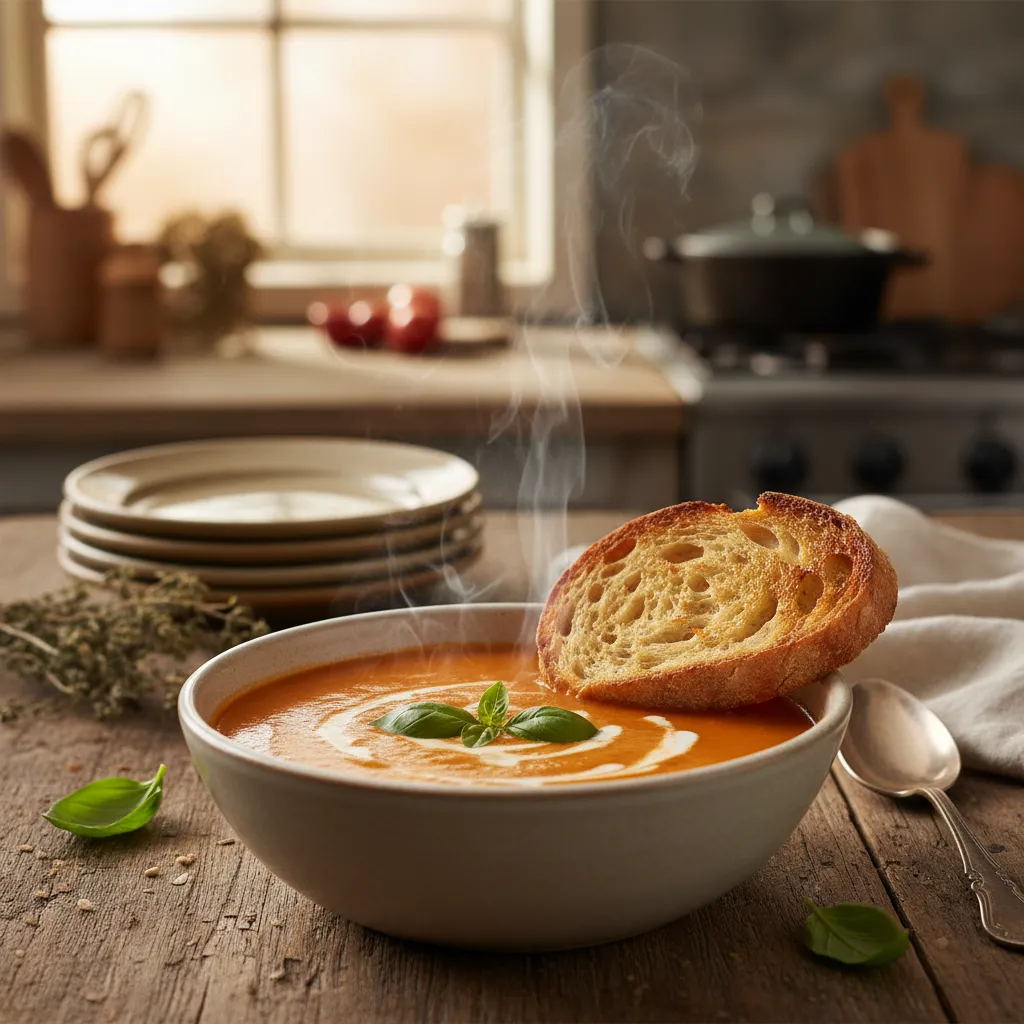
A splash of milk transforms a basic broth into a luxurious meal. It helps emulsify the soup, creating a velvety and rich mouthfeel.
Before adding milk to hot soup, temper it by whisking in a little hot liquid first. This simple culinary technique prevents any unwanted curdling.
Wondering about your soup base? Understanding Stock Vs. Broth: What’s the Difference and When to Use Each? is crucial here.
The Last Pint Playbook
- To avoid curdling when adding milk to a hot soup, temper the dairy by slowly whisking a ladle of the hot broth into your cold milk before pouring the whole mixture into the pot.
- If your milk is on the edge of souring, use it for pancakes! The lactic acid acts just like buttermilk, reacting with baking soda to produce an ultra-fluffy texture.
- For the smoothest cheese sauce, ensure your milk is at room temperature before whisking it into your roux to prevent lumps and ensure a velvety finish.
4. If You Have Half a Gallon Left: Homemade Ricotta Cheese and Fresh Paneer
Turning half a gallon of aging milk into fresh cheese is pure culinary magic. The slightly higher acidity actually helps the milk separate into firm curds easily.
This simple transformation is a fantastic way to prevent food waste. Plus, the fresh flavor and creamy texture will completely elevate your home cooking.
Transforming almost expired milk into fresh, artisanal cheese is the ultimate zero-waste culinary magic trick.
Creamy Homemade Ricotta Cheese

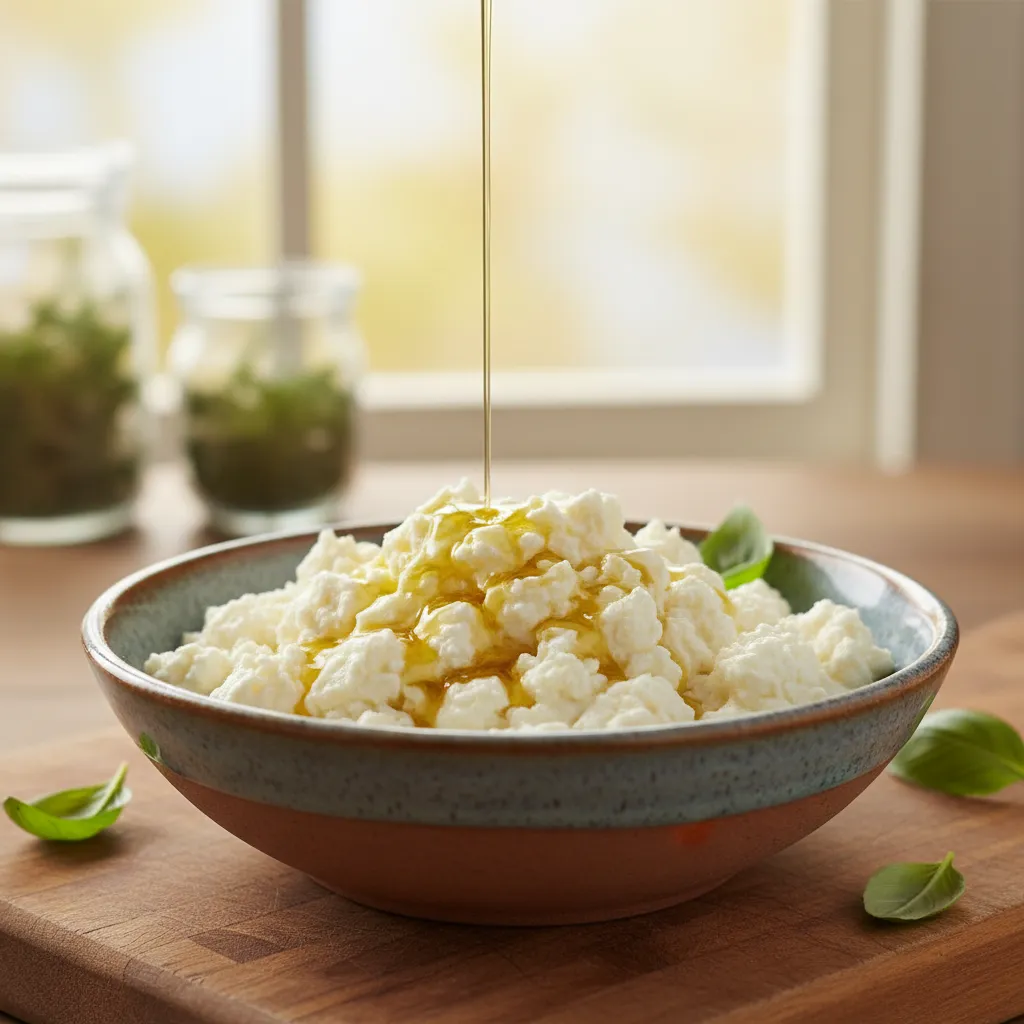
Rich and velvety homemade ricotta is incredibly easy to make. It requires just a few basic pantry staples and minimal hands-on time in the kitchen.
Ingredients
- 8 cups whole milk (avoid ultra-pasteurized)
- 1/3 cup fresh lemon juice or white vinegar
- 1 tsp kosher salt
Instructions
- Pour the milk into a large, heavy-bottomed pot. Heat slowly over medium heat until it reaches 200 degrees Fahrenheit, stirring gently to prevent scorching.
- Remove the pot from the heat. Pour in the lemon juice and salt, stirring gently just once to combine. Let the mixture sit undisturbed for 10 minutes.
- Line a colander with a double layer of fine cheesecloth and place it over a large bowl. Carefully ladle the warm curds into the cheesecloth.
- Let the ricotta drain for 15 to 30 minutes, depending on your desired consistency. Serve immediately or store in the fridge for up to four days.
When you strain the curds, you will collect a large bowl of yellowish liquid. This nutritious byproduct is absolute liquid gold for baking and cooking.
Do not pour it down the drain. Instead, explore these creative uses for leftover yogurt whey, which apply perfectly to cheese whey too.
Firm and Savory Fresh Paneer


Paneer is a classic firm cheese used globally in savory dishes. The process starts exactly like ricotta but ends with a vital pressing step.
Pressing the curds tightly creates sliceable blocks. This dense texture holds up beautifully when pan-fried, bringing a rich umami flavor to meals.
Ingredients
- 8 cups whole milk
- 1/4 cup fresh lemon juice
Instructions
- Heat the milk in a large pot to a gentle, rolling boil. Reduce the heat immediately to avoid spilling over.
- Gradually stir in the lemon juice until the milk fully separates into white curds and clear yellowish whey. Remove from the heat.
- Ladle the curds into a cheesecloth-lined strainer. Rinse them gently under cold water to wash away the sour lemon flavor and cool the cheese.
- Gather the cheesecloth tightly. Place the bundle on a flat plate, cover with another plate, and weigh it down with heavy cans for two hours.
- Unwrap your fresh paneer block. Slice it into cubes and use it immediately in your favorite savory curries or pan-fry it until golden-brown.
When making cheese at home, avoid ultra-pasteurized milk. The high heat treatment denatures the milk proteins, preventing them from forming a proper curd.
Dairy Food Science Team, Penn State Extension
Kitchen Alchemist Tips
- Don’t toss the leftover whey! Use it as a protein-rich replacement for water in bread dough or smoothies for a subtle tangy boost.
- For the creamiest results, avoid over-stirring once you add the acid; excessive movement breaks the delicate curds and can lead to a grainier texture.
- Infuse your paneer with flavor by stirring in finely chopped herbs or cracked black pepper right before pressing the curds into a block.
5. If You Have More Left: Proper Freezing Techniques and Calcium-Rich Plant Fertilizer
Data reveals that 20 percent of global dairy is wasted. Do not let wholesome milk spoil. You can preserve its savory potential.
How to Freeze Milk Perfectly

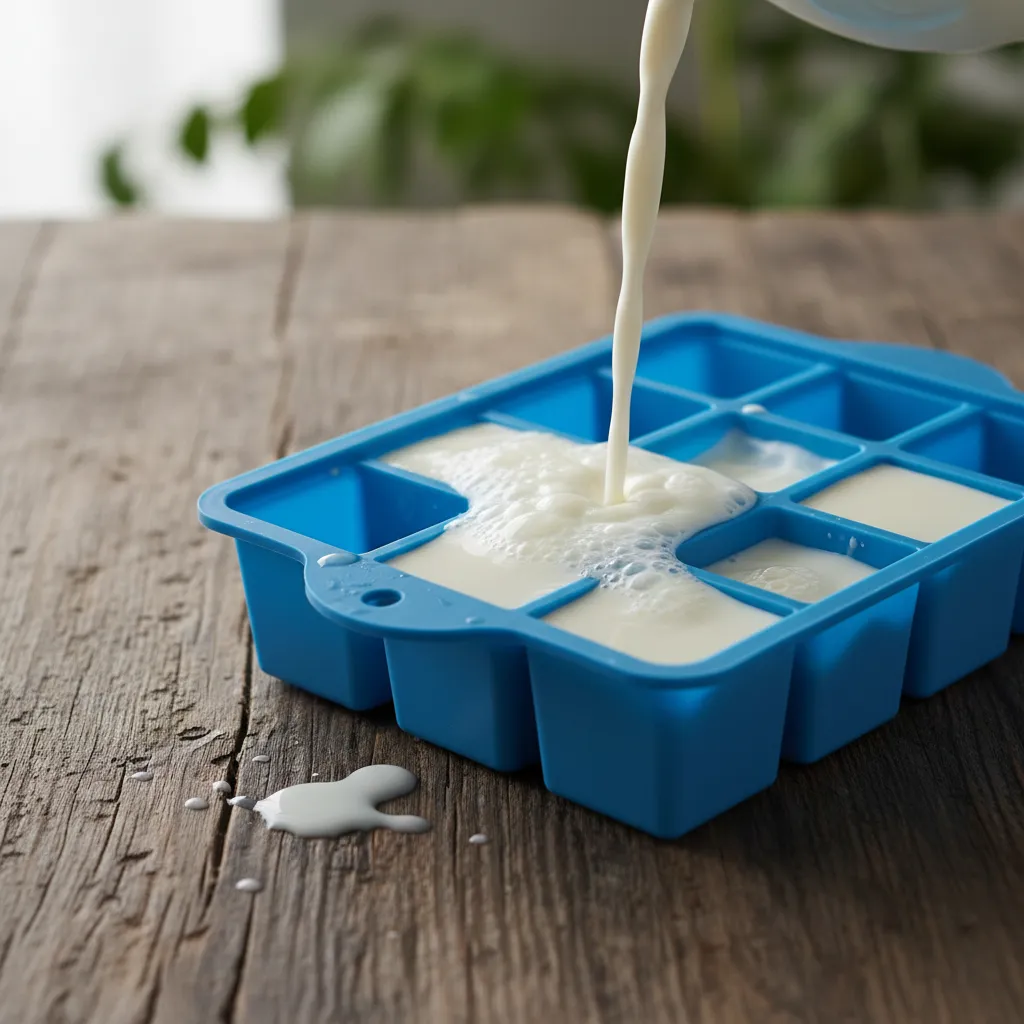
Freezing is a brilliant way to extend the life of dairy. It saves money and ensures you always have a splash ready for your morning coffee.
The liquid will expand as it turns solid. Always leave room at the top of your container to prevent messy spills and cracked glass.
You can safely store frozen milk in your freezer for up to 6 months, but it’s best if you can use it within 1 month of freezing.
The Dairy Alliance, Can You Freeze Milk?
Ingredients
Instructions
- Pour exactly 2 tablespoons of almost expired milk into each slot of your ice cube tray.
- Place the tray flat in your freezer for 4 hours until the liquid is completely solid.
- Pop the frozen cubes out and transfer them immediately to an airtight freezer bag.
- Store for up to one month and thaw the cubes in the fridge before emulsifying into dishes.
Don’t cry over almost expired milk; freeze it into convenient cubes for your next culinary masterpiece.
Wholesome Calcium Plant Fertilizer


If your dairy is slightly past its prime, it can still nourish your organic garden. The natural calcium prevents blossom end rot in plants.
Simply dilute the liquid with equal parts water to create a plant-based calcium infusion. This wholesome mixture enriches the soil beautifully.
Combine this trick with our creative uses for vegetable peels to achieve a completely zero-waste kitchen environment.
- Tomatoes: Extra calcium prevents blossom end rot and boosts rapid growth.
- Peppers: Strengthens cell walls for a crisper and noticeably heavier harvest.
- Squash: Fends off powdery mildew when applied directly to the plant leaves.
- Roses: Enhances vibrant blooms and supports incredibly strong, healthy stems.
Spray the diluted mixture directly onto the leaves or pour it gently at the base. Your garden palate will thrive on these artisanal nutrients.
Zero-Waste Dairy Secrets
- Label your harvest: Always write the freezing date and exact measurement on your freezer bag so you know exactly how much to grab for your next recipe.
- Restore the texture: Thawed milk can sometimes separate. Give it a vigorous shake or a quick blend to restore its creamy consistency before emulsifying it into your dishes.
- Time your fertilizer: Apply your diluted milk infusion early in the morning or late in the evening so the sun doesn’t bake the liquid onto your delicate plant leaves.
Savor Every Drop: Your Culinary Journey Continues
Almost expired milk is not a lost cause; it is a wonderful invitation to get creative in your kitchen.
By trusting your senses, you can safely rescue that final cup for rich batters or soothing masks.
Embrace these simple, nurturing habits to reduce waste and gracefully elevate your daily home cooking.
Your kitchen is a place of endless possibility. Let nothing go to waste, and truly enjoy every bite.
Questions We Gently Stir Up
Yes, absolutely! Pour it into an ice cube tray or a freezer-safe container. Leave room for it to expand. Thaw it safely in the fridge for baking later.
Boiling can kill off some bacteria, giving you a tiny bit more time. However, it alters the flavor and texture. Use it up in a cooked recipe right away.
If it passes the sensory test and is just faintly tangy, it acts like buttermilk. The acidity tenderizes baked goods beautifully. But if clumpy, toss it.
When you mix your almost expired milk with lemon juice or vinegar, use it immediately. It is meant to be a quick, nurturing fix for your pancake batters.