


Table of Contents
- 1. Clear Broths: Diluting With Water or Unsalted Broth (2-Minute Fix)
- 2. Chunky Stews: Adding Starches Like Potatoes to Absorb Excess Salt (20-Minute Fix)
- 3. Tomato-Based Soups: Balancing the Profile With Acids and Sweeteners (5-Minute Fix)
- 4. Creamy Soups: Masking the Salty Taste With Extra Dairy (Instant Fix)
- Taste Restored: Serving Up Perfection
- Questions We Get Asked: Kitchen Rescues
We have all been there, standing over a simmering pot of liquid gold while the aroma fills the kitchen.
You take a final taste only to realize that a heavy hand with the salt shaker has turned your masterpiece into a brine.
Do not lose heart, my dear cook, because even the most seasoned professionals encounter this classic kitchen hurdle.
A great soup is a harmony of flavors, and a little too much sodium does not mean your hard work must go to waste.
Balancing the palate is an art form that relies on simple chemistry and a bit of culinary intuition.
By adjusting acidity, adding bulk, or introducing a touch of sweetness, we can restore the soul of your stew.
Let us transform this moment of panic into a valuable lesson in flavor profile management.
With these time-tested techniques, you will soon be serving a bowl that is perfectly seasoned and ready to nourish your loved ones.
Gather your spoons and let us rescue that beautiful meal together.
1. Clear Broths: Diluting With Water or Unsalted Broth (2-Minute Fix)
When a delicate clear soup becomes overly salty, panic often sets in. Luckily, this is the easiest culinary mistake to correct.
Adding liquid dilutes the sodium concentration rapidly. It is a quick and highly effective method for your favorite savory broths.
Before diluting, consider your base. Knowing the difference between stock and broth will guide your choice perfectly.
Using water is fast, but unsalted broth preserves the rich mouthfeel. Choose your liquid based on what you have readily available.
| Liquid Type | The Benefits | The Drawbacks |
|---|---|---|
| Filtered Water | ✅ Always available, completely neutral flavor | ❌ Can dilute rich umami notes if overused |
| Unsalted Broth | ✅ Maintains thick texture and savory depth | ❌ Takes extra time to heat up properly |
The quickest way to save a salty soup is to give it room to breathe with a splash of fresh, unsalted liquid.
If you dilute too much and lose flavor, do not worry. You can easily learn how to store fresh herbs to add vibrant aromatics back into the pot.
The most straightforward way to fix overly salty food is to add more liquid to dilute the salt concentration.
Christine Gallary, The Kitchn
This simple dilution technique takes mere minutes to execute. Gather these two basic items to save your delicious meal.
Ingredients

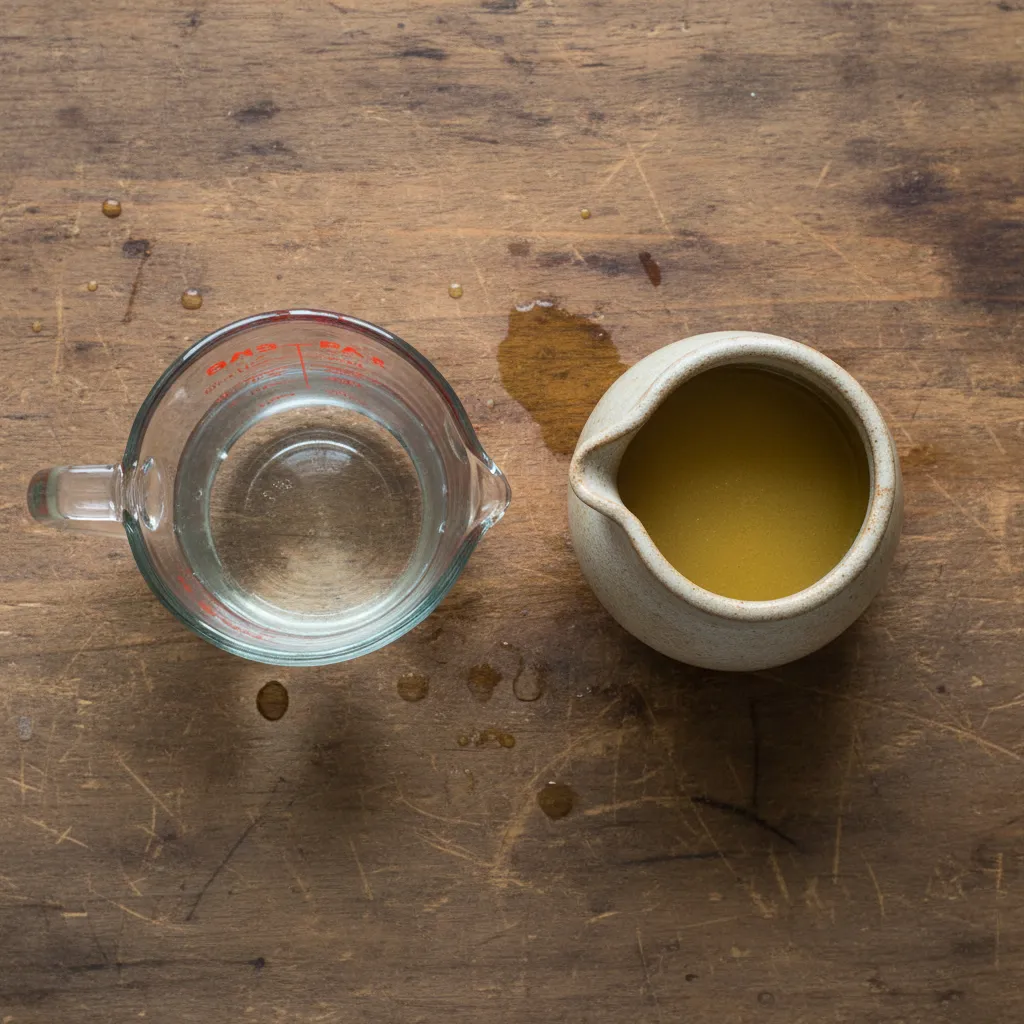
- 1 cup unsalted chicken or vegetable broth
- 1/2 cup hot filtered water
Instructions


- Remove your salty pot from the direct heat source to prevent further reduction.
- Pour in exactly one quarter cup of your chosen unsalted liquid.
- Stir the pot gently to ensure the new liquid emulsifies completely.
- Taste the broth carefully and repeat the process until the flavors are perfectly balanced.
Soup Savior Hacks
- Always heat your unsalted broth or water before adding it to the pot. Cold liquids will drastically drop the temperature and disrupt the cooking process.
- If diluting with water makes your soup taste flat, stir in a tiny splash of lemon juice or apple cider vinegar. A bright acidic note easily restores balance and elevates umami profiles.
- Instead of overfilling your pot, ladle out a portion of the salty broth and freeze it for later use as a flavor concentrate. Replace the missing volume with your fresh, unsalted liquid.
2. Chunky Stews: Adding Starches Like Potatoes to Absorb Excess Salt (20-Minute Fix)


When your hearty beef or vegetable stew turns out far too salty, do not panic. The classic potato trick is a highly effective way to rescue your savory meal.
Raw potatoes act like gentle sponges in hot liquids. As they simmer, they absorb the overly salted broth, plumping up and balancing the palate perfectly.
Using a robust base helps. Knowing the difference between stock and broth prevents future mishaps.
- Russet Potatoes: High starch content naturally clouds the broth, muting sharp saltiness.
- Sweet Potatoes: Adds a subtle sweetness that counters the heavy umami flavor profile.
- Macaroni Pasta: An excellent quick-cooking alternative that rapidly absorbs excess liquid.
Adding a raw, peeled potato to a pot of salty soup can help absorb some of the excess salt.
MasterClass Culinary Experts, How to Fix Too Much Salt
To properly execute this technique, you must remove the starch before serving. If left too long, the potato will disintegrate and alter the stew’s texture.
A humble potato is the home cook’s secret weapon, turning a salty mistake into a perfectly balanced masterpiece.
Here is a precise, step-by-step method to implement the potato rescue trick and restore your dish to its wholesome, delicious glory.


Ingredients
- 2 large raw russet potatoes, peeled and quartered
- 1 cup unsalted water or low-sodium chicken stock
- 1 tbsp fresh flat-leaf parsley, finely chopped (for garnish)
Instructions


- Drop the peeled, quartered potatoes directly into your simmering, overly salty stew.
- Reduce the heat to medium-low and let the potatoes simmer gently for exactly 15 to 20 minutes.
- Pour in the unsalted water or stock to replenish the liquid absorbed by the starchy potatoes.
- Carefully taste the broth. If the umami flavor is balanced, use a slotted spoon to remove the potatoes.
- Garnish the stew with fresh parsley and serve your beautifully rescued, hearty dish immediately.
The Savory Save
- Increase the surface area by slicing the potatoes into large thick rounds instead of quarters; this allows for faster salt absorption without the risk of the potato breaking down too quickly.
- Always use starchy varieties like Russets or Idaho potatoes for this trick, as waxy potatoes like Red Bliss have a tighter cell structure and won’t soak up the brine as effectively.
- If the stew remains slightly salty after removing the potatoes, try adding a small pinch of sugar or a squeeze of lemon juice to further balance the flavor profile.
3. Tomato-Based Soups: Balancing the Profile With Acids and Sweeteners (5-Minute Fix)


Tomato soups boast a naturally robust, beautifully savory profile. When over-salted, their vibrant acidity suddenly feels sharp and deeply overpowering on the palate.
Thankfully, this velvety red base is incredibly forgiving. You can easily rescue a ruined batch by introducing contrasting elements like warm sweetness and mild acidity.
To prevent future sodium disasters, check out our guide on what to do with leftover tomato paste for a beautifully balanced umami infusion.
- A pinch of sugar: White or brown sugar quickly neutralizes excess sodium.
- Balsamic vinegar: Adds a sweet, tangy depth that distracts the taste buds.
- Heavy cream: Dairy coats the tongue and naturally mutes harsh saltiness.
A dash of sugar and a splash of acid can turn a salty kitchen disaster into a culinary masterpiece.
Adding an acidic ingredient like lemon juice or vinegar can help balance the salty flavor without overpowering the dish.
Institute of Culinary Education, How to Fix Over-Salted Food


Ingredients
- 1 tsp brown sugar
- 1 tbsp balsamic vinegar
- 2 tbsp heavy cream
Instructions


- Stir the brown sugar and balsamic vinegar directly into the simmering tomato soup.
- Simmer gently for exactly three minutes to allow the bold flavors to meld properly.
- Remove the pot from the heat and slowly fold in the heavy cream until fully blended.
- Taste the savory broth and add an extra pinch of sugar if the salt is still sharp.
Soup Savior Secrets
- Combine a pinch of brown sugar with a splash of balsamic vinegar to quickly neutralize excess salt while adding a sweet, tangy depth.
- Stir in heavy cream off the heat; the richness of the dairy coats the tongue and naturally mutes harsh saltiness.
- Always simmer your soup for at least three minutes after adding balancing ingredients to let the bold flavors fully meld before adjusting further.
4. Creamy Soups: Masking the Salty Taste With Extra Dairy (Instant Fix)


Dairy is a magical eraser for an overly savory broth. Rich fats coat your palate and beautifully block harsh salt receptors.
Adding a splash of heavy cream or whole milk instantly dilutes the brine. It brings a wholesome, velvety texture to the pot.
Research shows high lipid content can reduce the sensory perception of salt by 20 percent. This scientific principle explains why cream rescues dinner.
Fat coats the tongue, preventing salt from physically reaching your taste buds as efficiently and masking the strong flavor.
Culinary Science Team, Serious Eats
Before dumping milk into your pot, temper it. Slowly warm the dairy first to prevent unappetizing curdling in the hot broth.
If you have extra dairy to use up, explore our guide on what to do with almost expired milk to prevent kitchen waste.
Best Dairy and Plant-Based Rescues

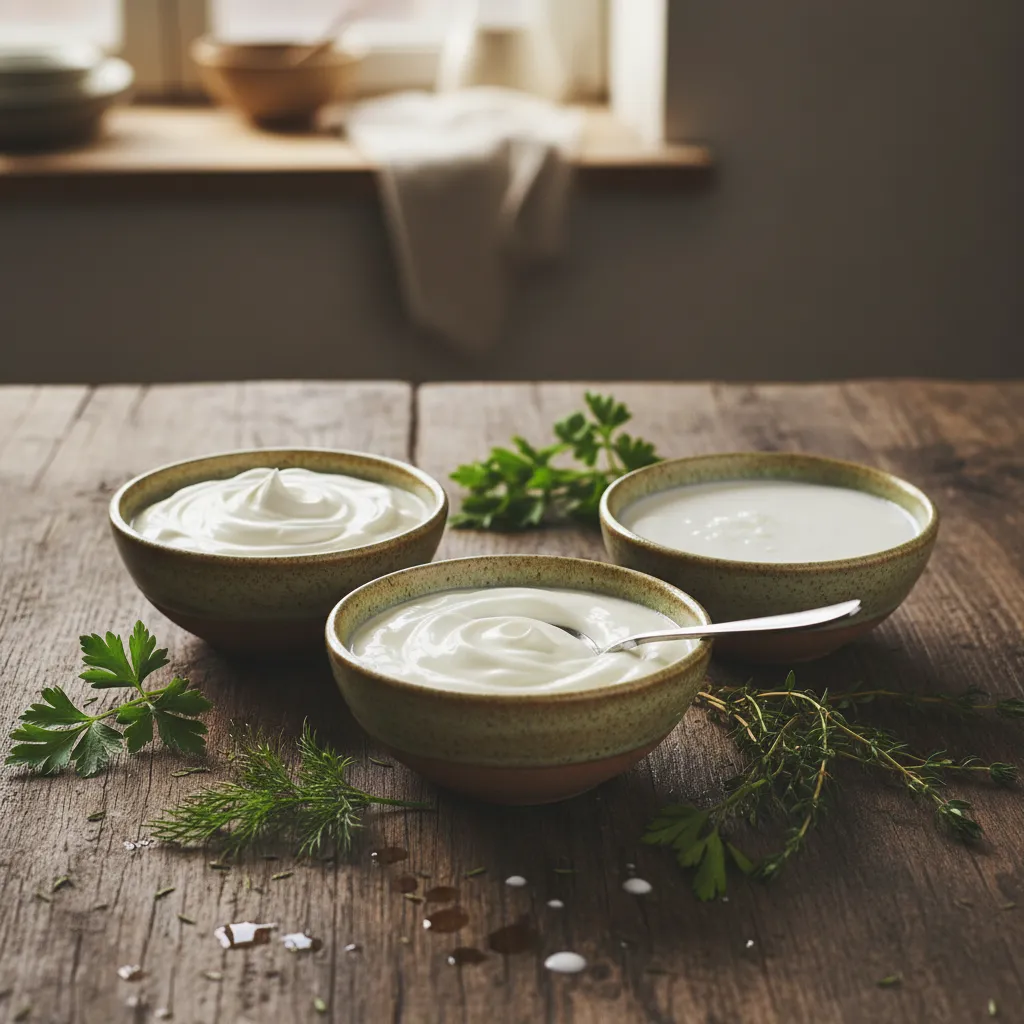
Not all creamy additions behave the same way in a hot pot. You must choose the right fat source for your specific recipe.
- Heavy Cream: The rich fat content quickly neutralizes harsh flavors while adding an artisanal, silky finish.
- Greek Yogurt: Adds a tangy lift while thick proteins soften the brine. Always stir this in off the heat.
- Coconut Milk: This plant-based hero adds deep umami and sweetness, making it absolutely perfect for curries.
If you prefer vegan fixes, read our article on healthy drinks with coconut milk for more creamy coconut inspiration.
Ingredients
- 1/2 cup heavy whipping cream or full-fat coconut milk
- 1 tbsp unsalted butter
- 1/4 cup unsalted vegetable broth
Instructions
- Warm the heavy cream and unsalted broth gently in a small saucepan over low heat.
- Whisk the unsalted butter into the warm liquid until it is completely melted.
- Stir the warm mixture slowly into your simmering soup to safely emulsify the fats.
- Simmer gently for five minutes to let the newly balanced flavors properly integrate.
A splash of heavy cream is the ultimate kitchen eraser, transforming a salty mistake into a velvety culinary masterpiece.
Chef’s Secret Sauce
- To avoid curdling, always temper your cold dairy by whisking in a small ladle of hot soup before adding the mixture back into the main pot.
- If you are using Greek yogurt or sour cream, stir it in after removing the pot from the heat to prevent the high protein content from separating.
- A final whisk of unsalted butter provides a professional, glossy finish while the extra fat helps further neutralize any lingering saltiness.
Taste Restored: Serving Up Perfection
A heavy hand with salt does not mean dinner is ruined. With these simple adjustments, your culinary comeback is guaranteed.
Whether you dilute a delicate broth or let starches absorb the excess in a stew, you remain in complete control of the flavor.
Embrace these kitchen saves like a seasoned chef. Now, bring that perfectly balanced pot to the table and share the joy of a great meal!
Questions We Get Asked: Kitchen Rescues
Not at all! Just quarter the potato and remove it before serving. It absorbs the salt while keeping your stew’s mouthfeel completely intact.
Yes, a dash of acid like vinegar or fresh lemon juice tricks the palate. It balances the saltiness without altering the dish’s core flavors.
Absolutely. A tiny pinch of sugar can mellow out the harshness of the salt. Just add it gradually so your savory soup doesn’t become too sweet.
If dilution isn’t enough, try serving your soup with unsalted sides. Pairing it with warm, crusty bread or plain rice helps balance every bite.