


Table of Contents
- Brine Chicken Ratios for Tenderizing Meat
- Quick-Pickle Leftover Veggies and Eggs: Safety Guide
- Upgrade Potato Salad and Baking Recipes: Substitution Math
- Mix Picklebacks and Mocktails: Electrolyte Recovery Drinks
- Household Hacks: Tested Results for Cleaning and Weeds
- Savor Every Drop
- Kitchen Curiosities: Pickle Brine Edition
We have all finished a jar of pickles and stared at the remaining brine, wondering if we should just pour it down the sink. Please do not discard that liquid gold.
That salty, tangy elixir is packed with intense flavor that can transform the simplest ingredients into a culinary masterpiece. It is the secret weapon in my kitchen that I am excited to share with you.
Using pickle juice is one of the easiest ways to tenderize meat and infuse it with moisture. A quick soak in this brine guarantees that your fried chicken emain succulent and juicy every single time.
Beyond brining, you can whisk it into a bright vinaigrette or splash it over roasted vegetables to add a sophisticated depth of flavor that salt alone cannot achieve.
This approach not only reduces food waste but also adds a dose of gut-friendly probiotics to your diet. Cooking with intention means using every part of the ingredient to create something special for the people you love.
Let us open the fridge and turn that leftover jar into a memorable meal that everyone will savor.
Brine Chicken Ratios for Tenderizing Meat

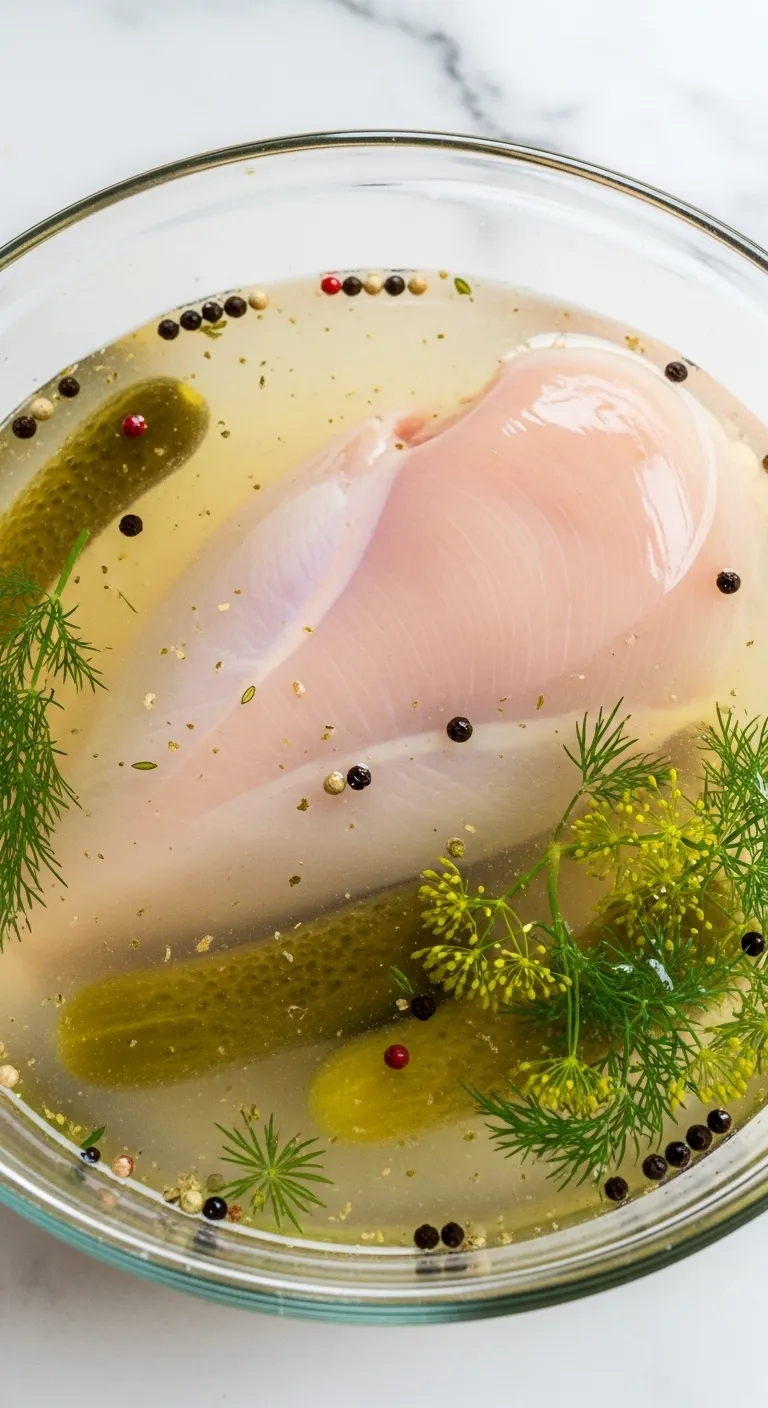
Do not pour that golden-green liquid down the drain. That leftover brine is actually a powerful culinary tool hiding in your fridge.
The high acidity in the liquid acts as a rapid tenderizer. It breaks down tough muscle fibers more efficiently than standard salt water.
This process results in meat that stays moist during cooking. It also infuses the flesh with a complex, savory flavor profile.
Transform dry poultry into a succulent masterpiece with the simple addition of leftover brine.
You can use this technique for various preparations. It is particularly effective if you plan to explore juicy ways to grill chicken this season.
Using straight pickle juice requires careful timing. The vinegar is potent and can turn meat mushy if left too long.
| Liquid Ratio | Marination Time | Best For |
|---|---|---|
| 100% Pickle Juice | 2 to 4 Hours | Quick weeknight cuts ✅ |
| 50% Juice / 50% Water | 8 to 12 Hours | Overnight prep ✅ |
| Splash (2 tbsp) | 30 Minutes | Quick stir-fry ✅ |
The salt content in the juice also aids in moisture retention. This prevents the protein from drying out under high heat.
The acidity in the pickle juice will break down the protein in the chicken… making it tender and juicy.
The Kitchn Editors, Why You Should Brine Chicken in Pickle Juice
Pickle Jar Secrets
- Watch the Salt: Since pickle brine is already sodium-rich, skip adding extra salt to your dry rubs or batters to avoid over-seasoning.
- The Buttermilk Duo: For fried chicken, mix pickle juice with buttermilk. The dairy enzymes combined with the vinegar acidity create the ultimate tender texture.
- Pat It Dry: While you want moisture inside, surface moisture kills a good sear. Always pat brined meat dry with paper towels before cooking to ensure a golden crust.
Optimal Marinating Techniques

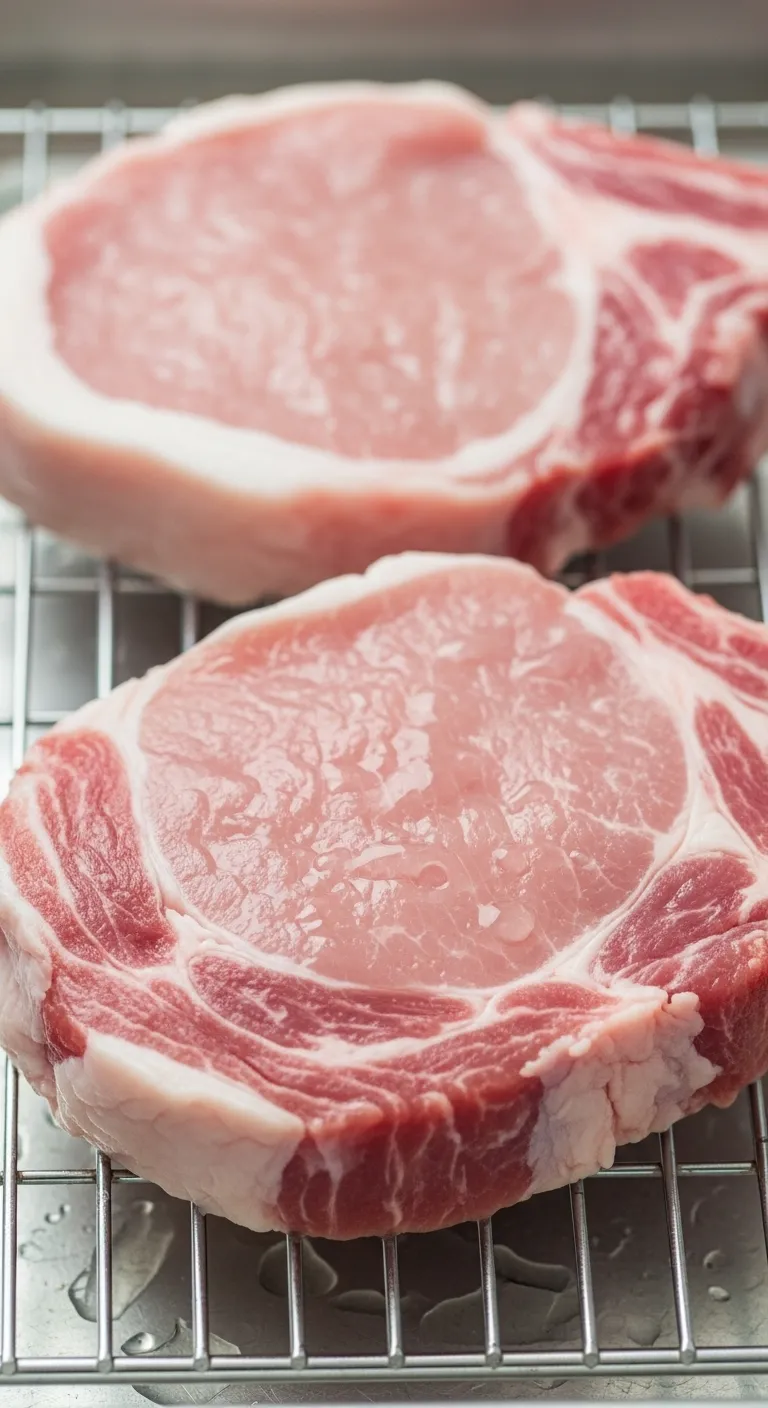
For the best results, fully submerge the meat. Use a glass or ceramic dish rather than metal to avoid reactive metallic tastes.
If you are short on liquid, use a zip-top bag. This method forces the liquid into contact with the surface using less volume.
This technique is a lifesaver for chicken breast recipes for busy nights. It adds instant depth without a long ingredient list.
Pat the meat dry before cooking. This ensures you get a beautiful golden-brown sear rather than steaming the protein.
Ingredients
- 2 cups leftover dill pickle juice (strained)
- 1 lb boneless, skinless chicken breasts
- 1 tbsp olive oil
- 1 tsp freshly cracked black pepper
- 2 sprigs fresh dill (optional garnish)
Instructions
- Place the chicken in a resealable bag. Pour in the pickle juice until the meat is fully covered.
- Seal the bag tightly to remove excess air. Refrigerate for at least 2 hours, but no longer than 6 hours.
- Remove the meat from the brine and discard the liquid. Pat the meat thoroughly dry with paper towels.
- Heat olive oil in a skillet over medium-high heat. Season the meat with black pepper only (the brine adds enough salt).
- Sear the meat for 5-6 minutes per side. Cook until the internal temperature reaches 165°F for chicken
- Let the meat rest for 5 minutes before slicing. Garnish with fresh dill and serve warm.
Brine Brilliance
- Watch the clock! Pickle juice is highly acidic. Marinating past 6 hours can break down protein fibers too much, resulting in a mushy texture rather than tender meat.
- Spice it up. Don’t limit yourself to dill pickles! Save the brine from jarred jalapeños or banana peppers to create a marinade with a spicy kick.
- Balance the salt. Since brine is sodium-rich, skip adding extra salt before cooking. Instead, serve with creamy sides like mashed potatoes or coleslaw to cut through the tang.
Quick-Pickle Leftover Veggies and Eggs: Safety Guide

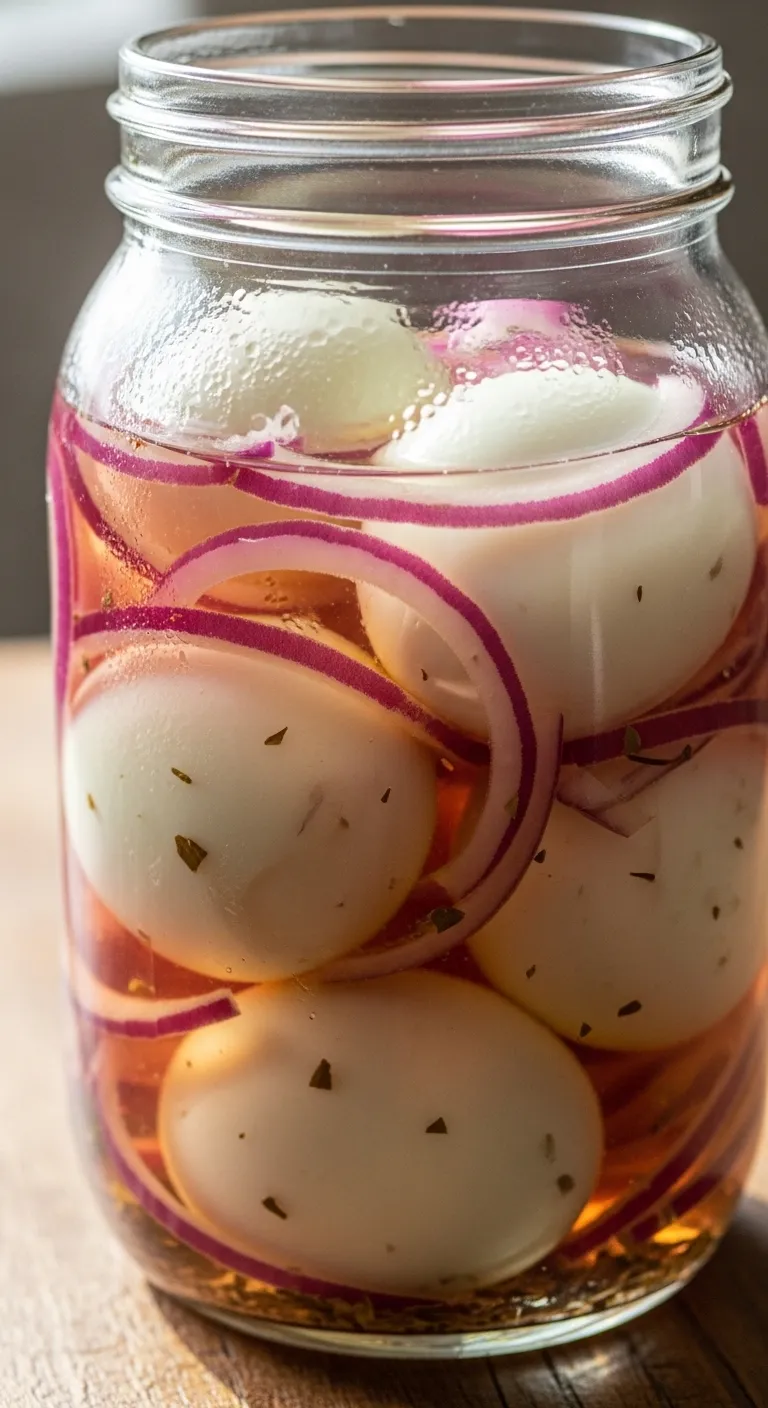
Transforming that jar of leftover brine into a second batch of crunchy treats is a savvy kitchen hack. It extends the life of your ingredients and reduces waste.
This process is known as “refrigerator pickling.” Unlike canning, it does not require water baths or special seals. It is quick, easy, and undeniably delicious.
Before you toss new veggies into the old liquid, you must understand a few safety rules. This ensures your creative uses for vegetable peels and scraps remain safe to eat.

Brine Brilliance
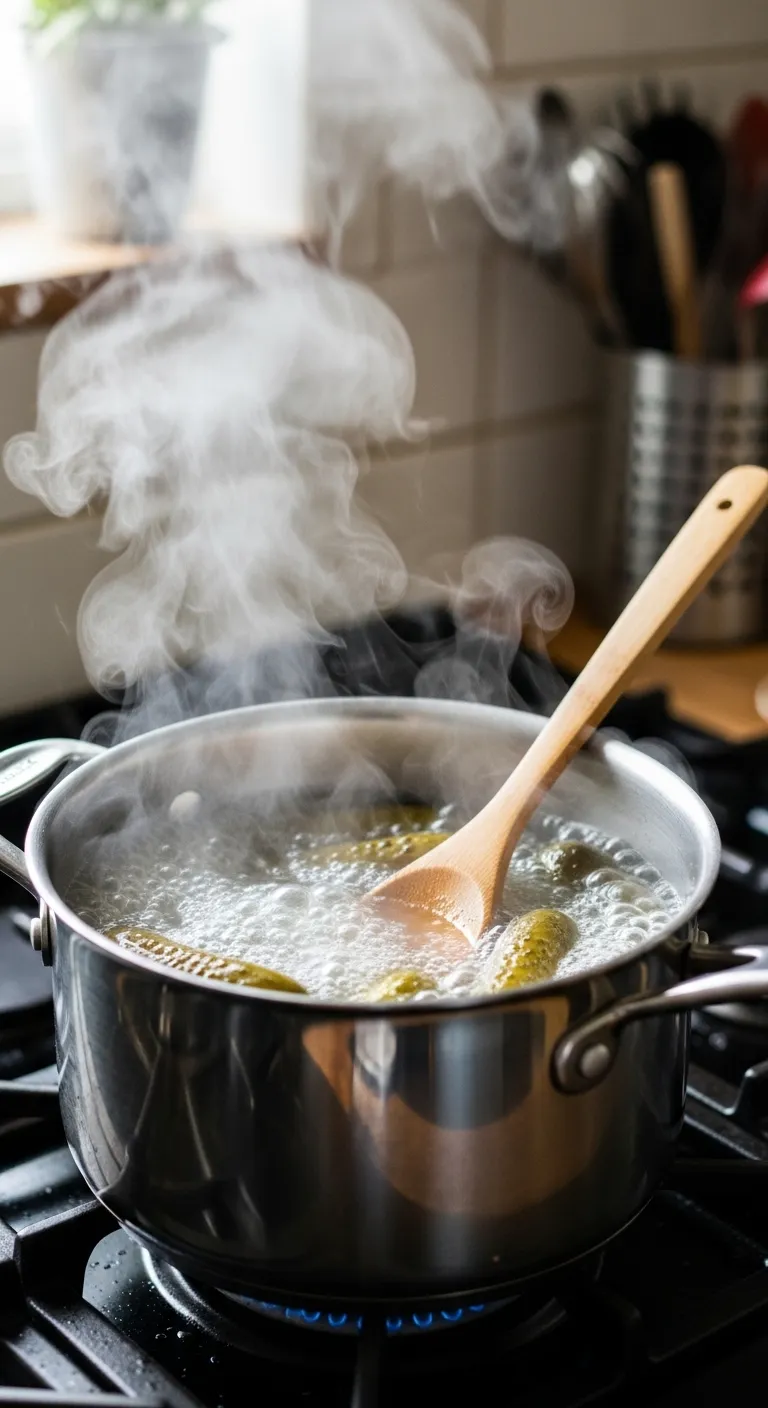
- Always bring your leftover brine to a rolling boil before pouring it over new ingredients. This kills off any bacteria from the first batch and ensures your second round is safe to eat.
- Blanch dense vegetables like carrots, cauliflower, or green beans for 60 seconds before pickling. This softens them just enough to absorb the flavor while maintaining a satisfying crunch.
- Limit your reuse to one time only. As vegetables release water, they dilute the brine’s acidity, making it ineffective for preservation after a second use.
Is It Safe to Reuse Pickle Brine?
Yes, you can reuse commercial pickle brine, but there are limits. The acidity level drops after the first use because the original cucumbers released water.
For safety, you should only reuse the brine once. Repeated use dilutes the vinegar too much, which weakens its ability to preserve the food safely.
Always check the liquid before reusing it. If the brine looks cloudy, has mold on the rim, or smells funky, discard it immediately. When in doubt, throw it out.
You can reuse pickle brine… but the vinegar strength will be lower. For this reason, reuse brine only for refrigerator pickles, not for canning.
Julie Garden-Robinson, NDSU Extension Food Safety Specialist
We recommend boiling the brine before pouring it over new ingredients. This “hot pour” method kills potential bacteria introduced by fingers or forks.
Boiling also helps the flavors penetrate denser vegetables like carrots or cauliflower more effectively. It creates a crunchier, more flavorful result.
Method Comparison: Hot vs. Cold
Choosing the right method depends on your ingredients. This guide helps you decide between boiling the liquid or using it cold.
| Method | Best Used For | Texture Result | Safety Level |
|---|---|---|---|
| Hot Pour | Carrots, onions, green beans | Slightly softer, infused | Highest (kills bacteria) |
| Cold Soak | Cucumbers, radishes | Ultra-crunchy, raw | Moderate (wash veg well) |
| Boil & Chill | Hard-boiled eggs | Firm whites, creamy yolk | High |
Don’t just finish the pickles; finish the jar. That golden brine is liquid potential waiting for its second act.

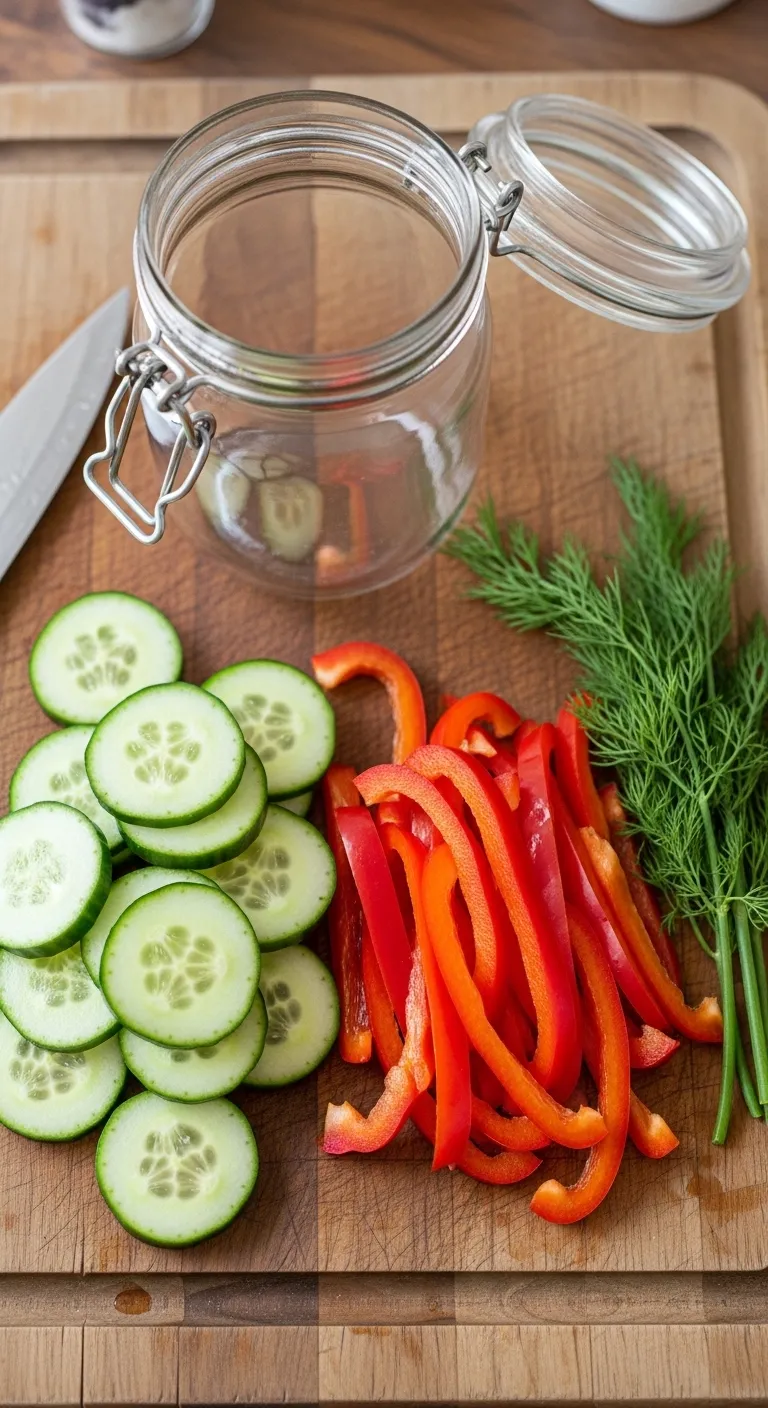
The Brine Bonus
- Since the acidity drops after the first batch, stick to refrigerator pickles only. Never attempt to heat-process or can with reused brine; it is not acidic enough for safe shelf storage.
- For dense vegetables like carrots or cauliflower, use the hot pour method. Boiling the brine first not only kills bacteria but helps the spices penetrate tough skins for a punchier flavor.
- Always inspect your leftovers before pouring. If the liquid looks cloudy, has foam, or smells yeasty, trust your nose and toss it immediately.
Recipe: The “Second-Act” Pickled Eggs & Onions
This recipe revives your leftover brine to create a tangy, protein-packed snack. It is perfect for salads or a quick savory bite.
If your original pickles were spicy, these eggs will carry that heat. If you want more zest, adding fresh herbs like dill helps refresh the flavor profile.
Ingredients
- 2 cups leftover dill pickle juice (strained)
- 4 large hard-boiled eggs, peeled
- 1/2 small red onion, thinly sliced
- 1 clove garlic, smashed (optional)
- 1 tsp whole black peppercorns (optional refresher)
Instructions
- Prep the Jar: Ensure your original pickle jar is clean. Place the peeled hard-boiled eggs, sliced onions, garlic, and peppercorns inside.
- Boil the Brine: Pour the strained pickle juice into a small saucepan. Bring it to a rolling boil over medium-high heat to sterilize it.
- Combine: Carefully pour the hot brine over the eggs and onions in the jar. Ensure all ingredients are fully submerged.
- Cool and Store: Let the jar cool to room temperature on the counter. Screw the lid on tight and refrigerate.
- Wait: Let the eggs marinate for at least 24 hours before eating. They will keep in the fridge for up to one week.
Pickle Pro Tips
- Poke for Potency: Prick the whites of the hard-boiled eggs with a clean toothpick a few times before jarring. This allows the brine to penetrate deeper for a flavor-packed bite.
- The Color Pop: Want to impress guests? Add a few slices of fresh beet to the jar for vibrant neon pink eggs, or a teaspoon of turmeric for a golden yellow hue.
- Peel Perfection: To ensure your eggs peel smoothly without pitting, transfer them immediately from boiling water into an ice bath and let them sit for at least 10 minutes before peeling.
Upgrade Potato Salad and Baking Recipes: Substitution Math

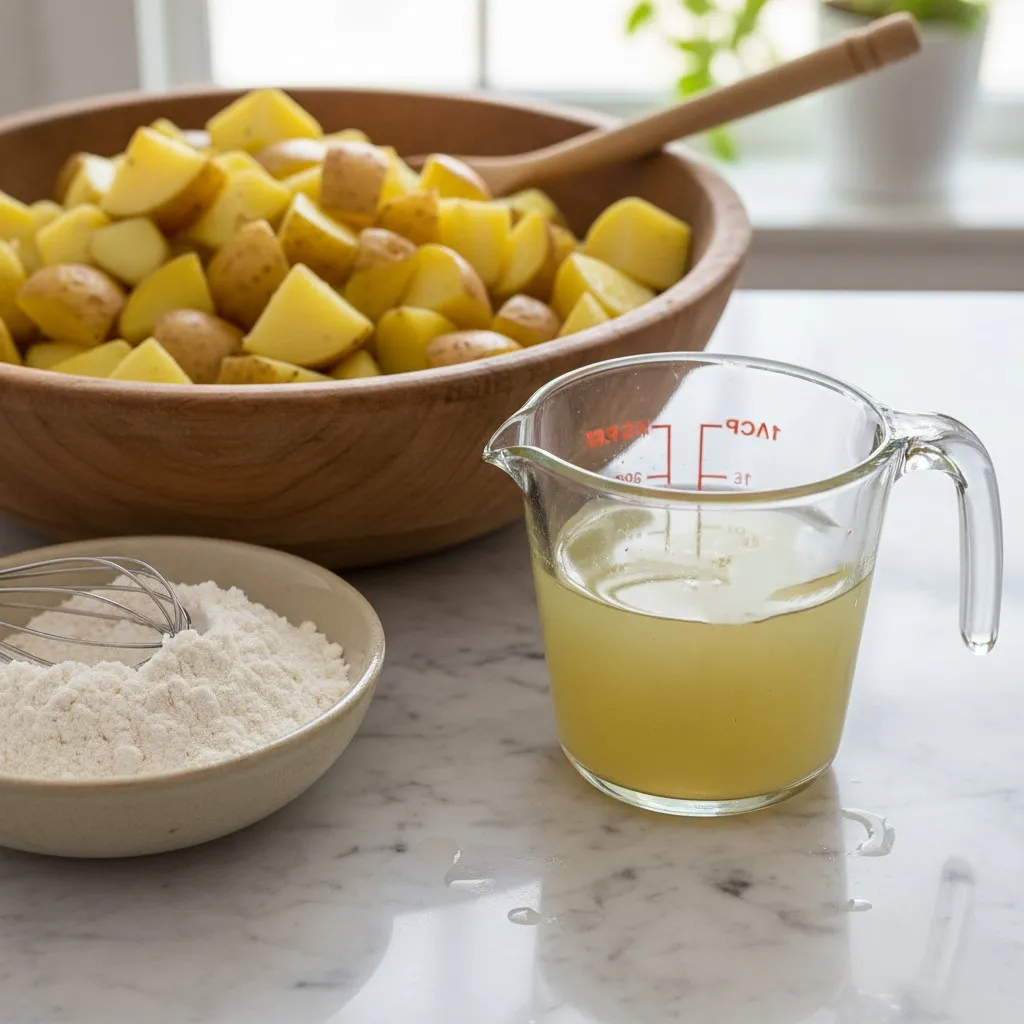
Most home cooks instinctively pour leftover brine down the drain. This is a missed opportunity to add complex flavor to your favorite dishes.
Pickle juice is essentially seasoned vinegar loaded with salt and aromatics. It works as a powerful flavor enhancer in savory recipes.
Understanding the chemistry helps you use it effectively. The acidity reacts with baking soda to create lift, while the salt seasons the dough.
You can reduce kitchen waste by repurposing this liquid gold. It fits perfectly alongside other creative uses for vegetable peels and scraps.
The Brine Breakdown
- The Hot Potato Hack: Don’t wait for potatoes to cool before seasoning. Toss them in pickle juice while they are steaming hot; the heat helps the starch absorb the tangy liquid deep into the potato before you add the creamy binder.
- Baking Substitution: When using brine in biscuits or bread, swap it 1:1 for the liquid acid (like buttermilk or vinegar) called for in the recipe. However, you must reduce the added salt by about 1/4 teaspoon per half-cup of brine to avoid over-salting.
The Substitution Math Cheat Sheet
You cannot simply dump brine into a batter without adjustment. The liquid content and salinity levels require precise balancing.
Use this guide to swap ingredients safely. It ensures your final dish remains palatable and structurally sound.
| Original Ingredient | Pickle Juice Swap | Kitchen Adjustment |
|---|---|---|
| White Vinegar | 1:1 Ratio | Reduce added salt by 1/4 tsp. |
| Buttermilk | 1 cup milk + 1 tbsp juice | Let sit for 5 minutes to curdle. |
| Lemon Juice | 1:1 Ratio | Expect a more savory, herbal finish. |
| Water (in bread) | Replace up to 50% | Reduce salt in the dough recipe. |

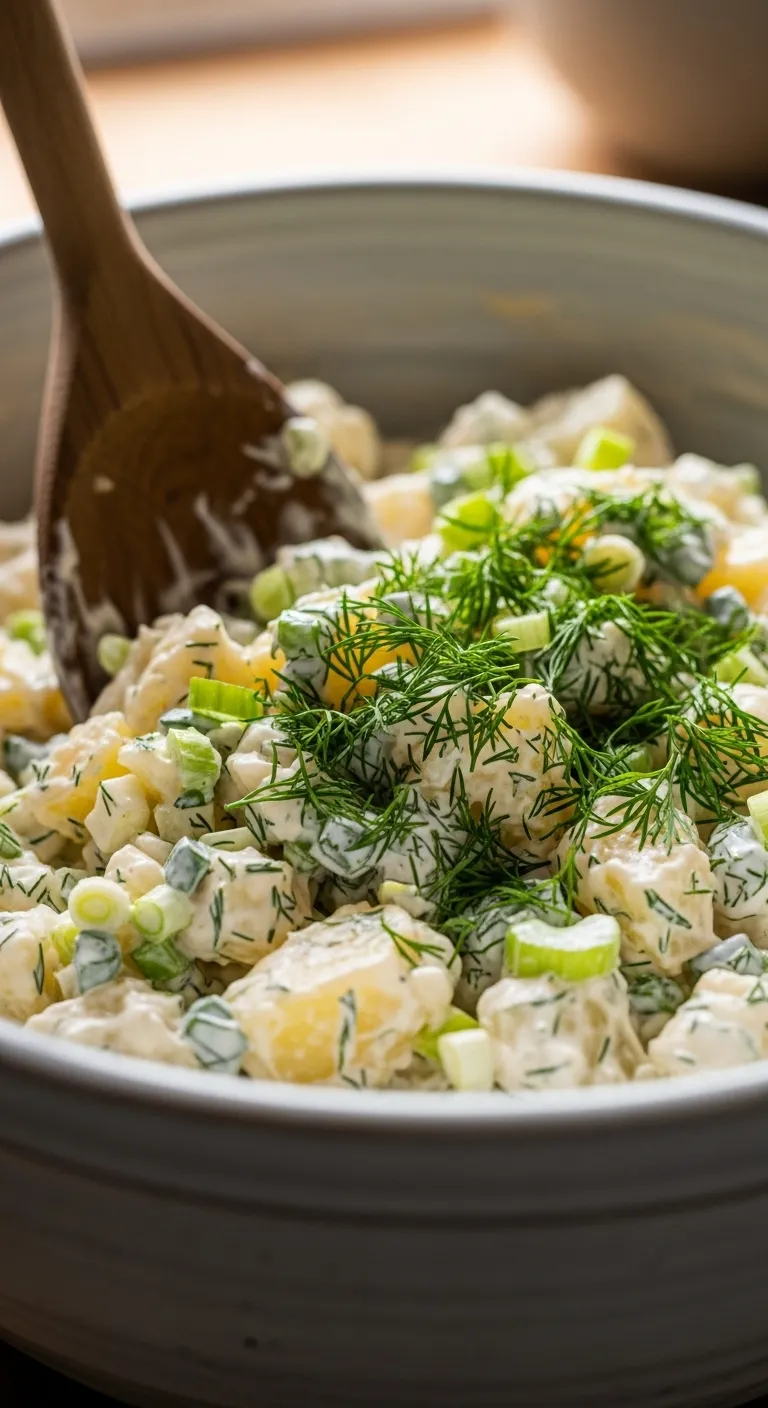
Pickle Pro Tips
- Watch your sodium levels. Since brine is naturally salty, you should often omit the additional salt called for in the original recipe to avoid overpowering the dish.
- Boost your rise. The acidity in pickle juice reacts vigorously with baking soda, acting like a super-charged buttermilk to make baked goods extra fluffy.
- Start with a 50/50 split. If you are worried about the pickle flavor being too aggressive, replace only half of the recipe’s liquid with brine first to test the waters.
Elevating Potato Salad
Standard potato salad often suffers from blandness. The potatoes absorb the dressing, leaving the flavor muted and heavy.
Boiling your potatoes directly in a mixture of water and pickle juice infuses them with flavor from the inside out.
Alternatively, whisk the brine into your mayonnaise base. This technique mimics the tangy profile found in simple easy spring mix salad recipes.
Ingredients
- 2 lbs Yukon Gold potatoes, cubed
- 1/2 cup mayonnaise
- 1/4 cup dill pickle juice
- 1 tbsp Dijon mustard
- 2 stalks celery, diced
- Fresh dill for garnish
Instructions
- Boil the potatoes in salted water until fork-tender, about 15 minutes. Drain and let them cool slightly.
- Whisk the mayonnaise, pickle juice, and Dijon mustard in a large bowl until fully emulsified and smooth.
- Fold the warm potatoes and celery into the dressing gently. The warmth helps the starch absorb the liquid.
- Chill for at least one hour before serving. Top with fresh dill just before bringing it to the table.
Don’t just season the surface of your food; use brine to season your ingredients from the inside out.

Spud Secrets
- Always dress your potatoes while they are still warm; heat expands the starch molecules, allowing them to absorb the brine and dressing more effectively than cold potatoes.
- If you want to vary the flavor profile, try swapping dill pickle juice for the brine from pickled jalapeños or banana peppers for a subtle, spicy kick.
- Avoid a mushy salad by sticking to waxy potato varieties like Yukon Golds or Red Bliss, which hold their shape far better than starchy Russets.
Savory Baking Applications
Baking with pickle juice sounds unusual, but it is scientifically sound. The acid tenderizes gluten strands, resulting in a softer crumb.
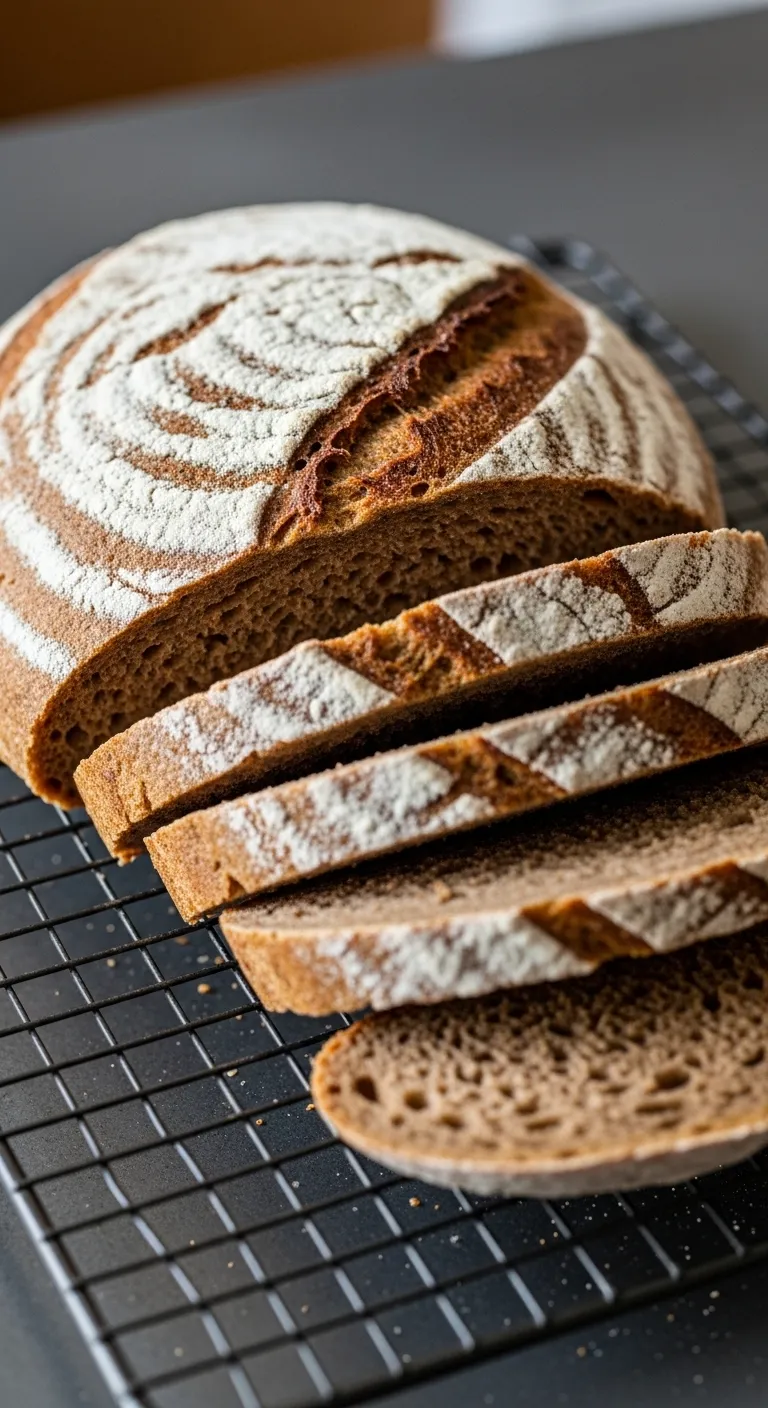
This works exceptionally well in savory biscuits or rye bread. The dill and garlic notes compliment the grains without overpowering them.
Acids, such as vinegar, lemon juice, and buttermilk, help to tenderize the gluten in the dough, making the finished product softer and more delicate.
The King Arthur Baking Company, The Role of Acid in Baking
When making savory pancakes or quick breads, use the brine to activate your leavening agent. It creates a vigorous rise and airy texture.
Always taste your brine before baking. If it is extremely salty, dilute it with a splash of water to prevent a harsh aftertaste.
Baker’s Secret Weapon
- Swap standard liquids for pickle juice in your biscuit recipe. The acid tenderizes the dough for a flakier texture.
- For lighter savory pancakes, replace half the liquid with brine. It reacts with baking soda to create an extra airy rise.
- Since brine is salty, reduce the added salt in your recipe by half to keep the flavor balanced.
Mix Picklebacks and Mocktails: Electrolyte Recovery Drinks

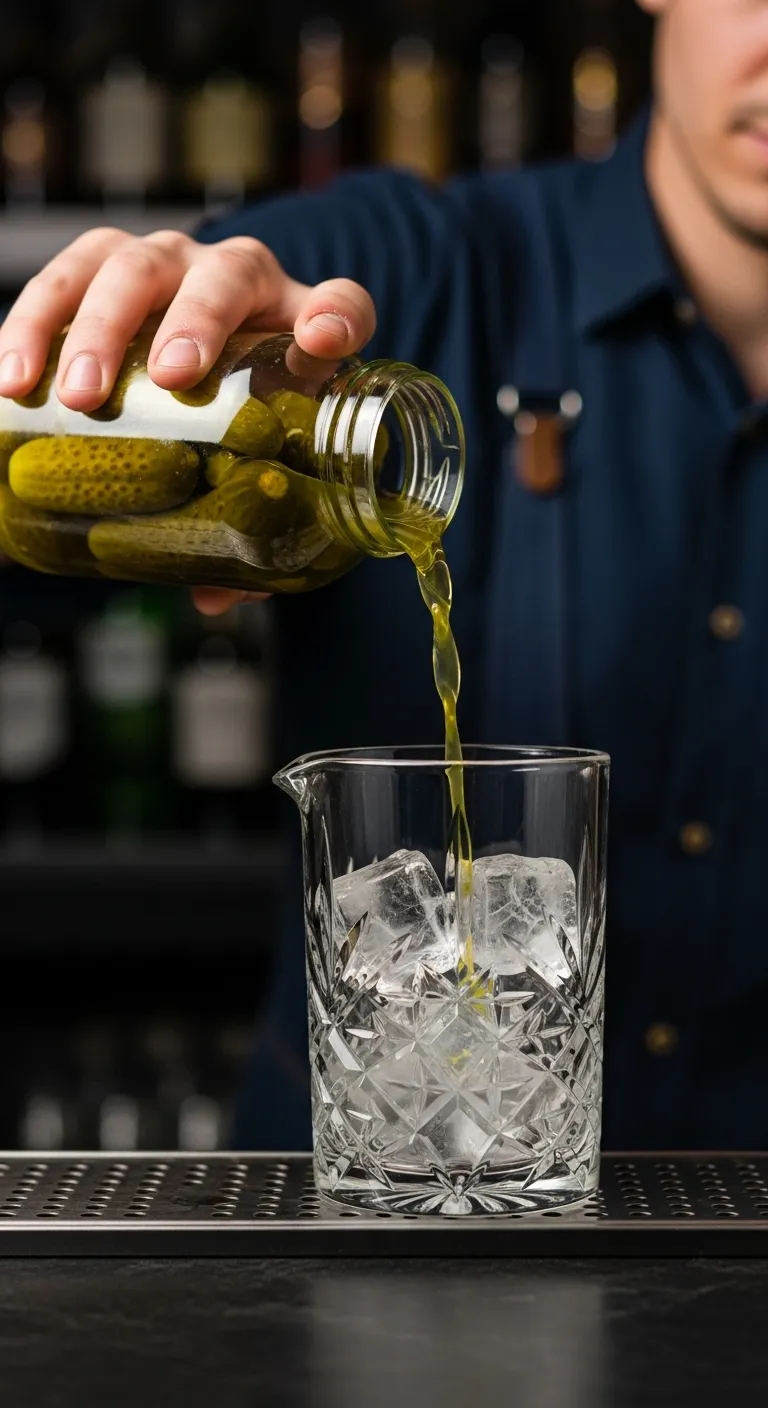
Leftover brine is liquid gold for your bar cart. The salty and acidic profile creates complex drinks that surprise the palate.
Many people pour this resource down the drain. However, the savory tang offers a sophisticated edge to both alcoholic and non-alcoholic beverages.
Athletes also swear by this green elixir for recovery. It replenishes sodium lost through sweat much faster than plain water alone.
Pickle brine isn’t waste; it’s the secret ingredient your cocktail glass has been waiting for.
Liquid Gold Hacks
- Freeze the flavor. Pour leftover brine into an ice tray to create savory cubes. They keep Bloody Marys and mocktails cold without watering down the zesty taste.
- The perfect chaser. For a classic Pickleback, follow a shot of whiskey immediately with a shot of cold brine to instantly neutralize the alcohol burn.
- DIY recovery tonic. Dilute 2 oz of brine with sparkling water and a squeeze of lime for a refreshing, low-calorie alternative to sugary sports drinks after a workout.
The Electrolyte Refresher Mocktail

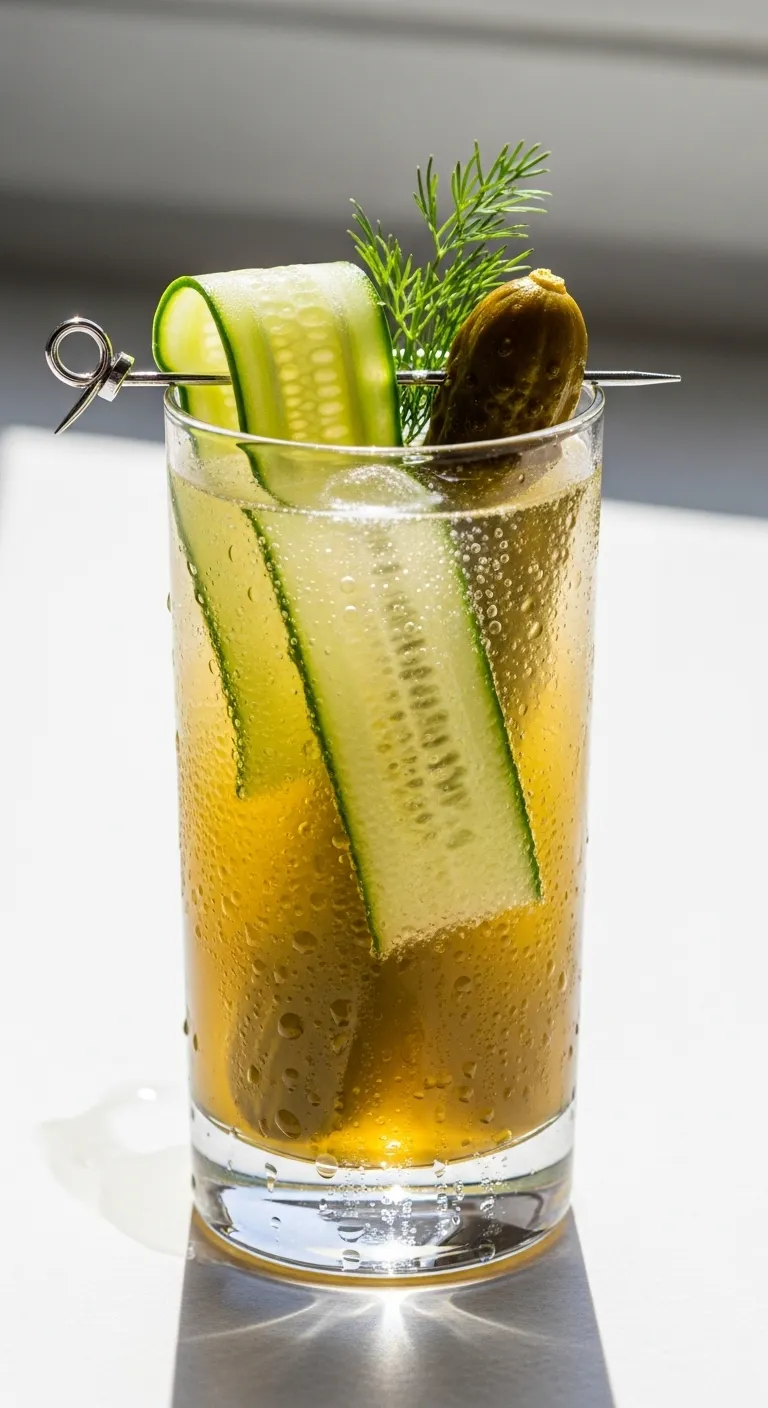
This drink is perfect after a hard workout. It balances the intense salinity of the brine with refreshing citrus and bubbles.
If you enjoy exploring unique flavor profiles, this drink fits perfectly alongside other easy mocktails non alcoholic summer drinks.
The combination creates a natural energy boost. It wakes up your taste buds without the crash associated with sugary sports drinks.
Ingredients
- 3 oz leftover pickle juice (strained)
- 1 tbsp fresh lime juice
- 6 oz sparkling mineral water
- 1 tsp honey or agave syrup (optional)
- Ice cubes
- Fresh dill sprig for garnish
Instructions
- Fill a tall glass completely with ice cubes to chill the vessel.
- Pour the pickle juice and fresh lime juice directly over the ice.
- Add the honey if you prefer a sweeter balance to the acidity.
- Top with sparkling water and stir gently to combine without flattening the carbonation.
- Garnish with a sprig of fresh dill and serve immediately.
Pickle juice relieves muscle cramps within about 1.5 min of ingestion and 45% faster than when no fluid is ingested.
Dr. Kevin Miller, Medicine & Science in Sports & Exercise
Brine Hacks
- Turn up the heat by swapping standard brine for spicy pickle juice or adding a slice of fresh jalapeño for a metabolic kick.
- Don’t dilute the power freeze leftover pickle juice into ice cubes to keep your drink frosty without losing that tangy punch as the ice melts.
- Rim the glass with Tajín or smoked sea salt before pouring to enhance the savory notes and add a festive touch to your recovery drink.
Savory Spirit Pairings
The classic “Pickleback” is a shot of whiskey followed instantly by a shot of brine. The brine neutralizes the burn of the alcohol immediately.
You do not have to limit yourself to whiskey. The acidity of the juice pairs exceptionally well with various clear spirits.
Consider these pairings for your next gathering:
- Vodka: Creates a cleaner, crisp finish often called a “Pickle Martini.”
- Tequila: The saltiness mimics the traditional salt rim used with agave spirits.
- Gin: The herbal notes of dill and coriander complement the juniper botanicals.
These savory combinations rival even the most popular green juices to boost energy this summer.
Brine Hacks
- Freeze the flavor: Pour leftover pickle brine into an ice tray. Use these savory cubes in your cocktails to keep them cold without watering down the zesty profile as they melt.
- Spice it up: Add a dash of hot sauce to your brine chaser or use spicy pickle juice to create a fiery contrast to the cool spirit.
- Rim the glass: Dip the edge of your shot glass in chili salt, Tajín, or Old Bay seasoning to bridge the gap between the spirit and the savory chaser.
Household Hacks: Tested Results for Cleaning and Weeds

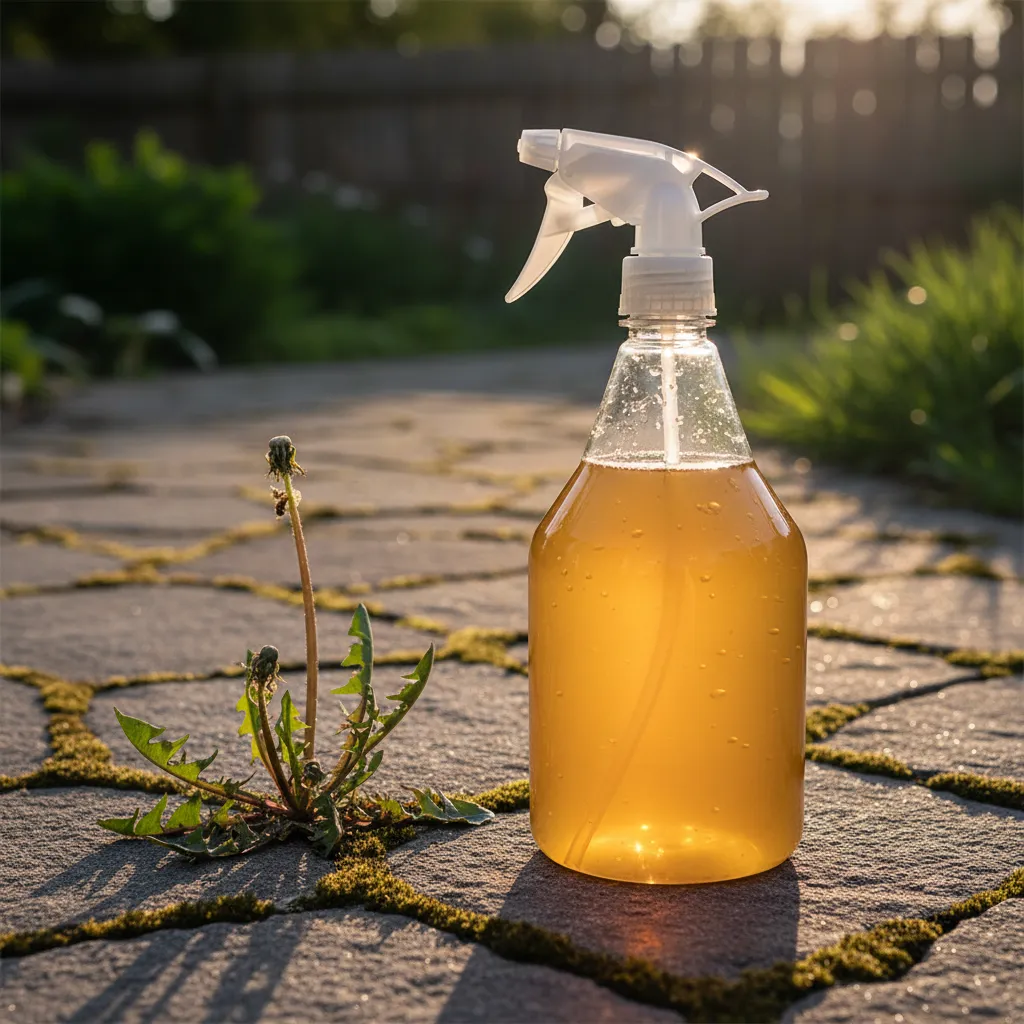
Do not pour that brine down the drain just yet. That jar of leftover liquid is a powerful, eco-friendly tool for your home. The high acidity and salt content make it a versatile cleaner.
You can tackle stubborn garden intruders or shine up vintage cookware without harsh chemicals. It is essentially a supercharged vinegar solution.
Transform kitchen waste into a garden warrior. Pickle juice is the eco-friendly answer to stubborn weeds.
Brine Brilliance
- Targeted Weed Control: Pour brine directly onto weeds growing in driveway cracks or patio pavers. The high salt content sterilizes the soil, so avoid using this method near flower beds or lawns you want to keep.
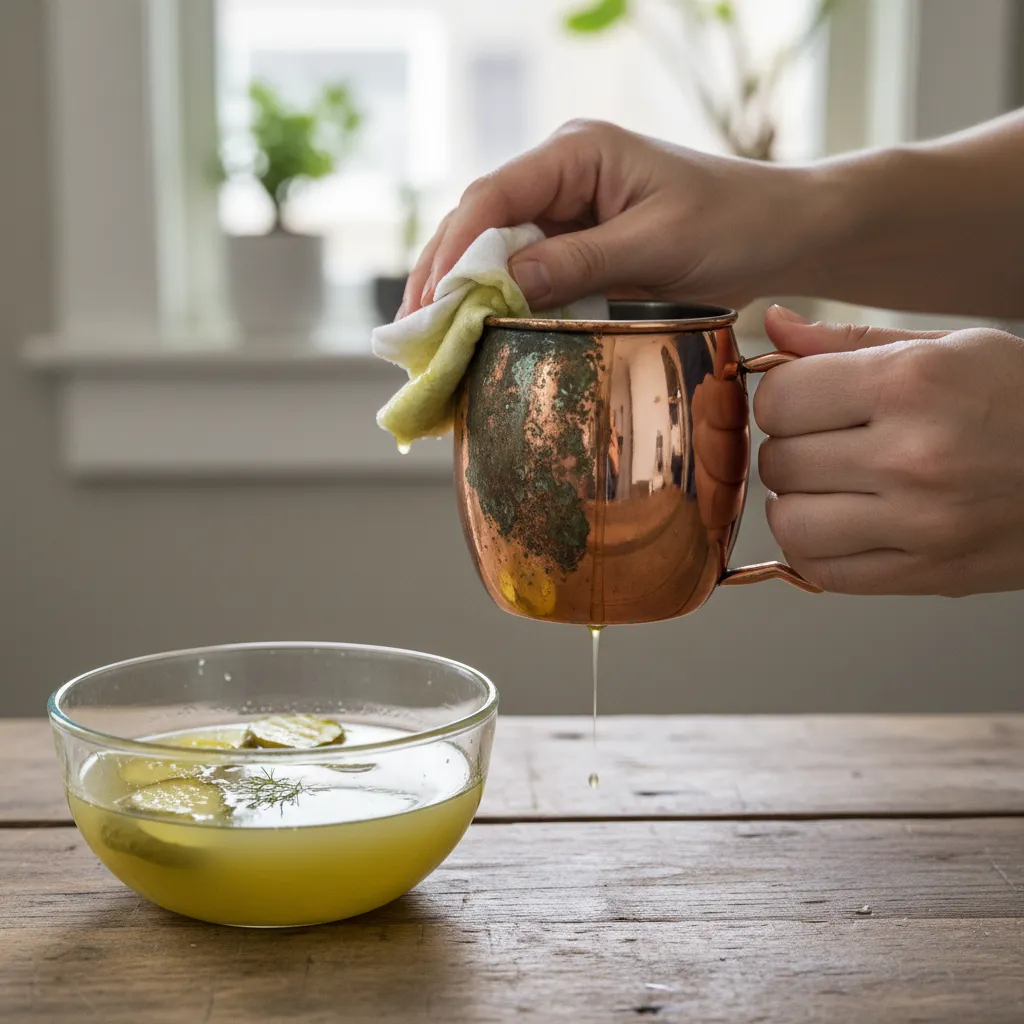
- Copper Cleaner: Apply pickle juice to tarnished copper cookware using a soft cloth. Let it sit for 15 minutes to allow the acid to break down the oxidation, then rinse thoroughly for a sparkling finish.
The Natural Garden Weed Killer
Commercial herbicides often contain chemicals you might want to avoid. Pickle juice offers a potent alternative for spot-treating weeds in driveway cracks or walkways.
The vinegar works to dry out the leaves, while the salt prevents regrowth. Be careful where you aim, as this solution cannot distinguish between weeds and your prize roses.
If you are protecting delicate plants, you might also want to learn how to store fresh herbs effectively to keep them vibrant for weeks.
Ingredients
- 2 cups leftover pickle juice (strained)
- 1 tsp liquid dish soap (acts as a surfactant)
Instructions
- Pour the strained pickle juice into a clean spray bottle.
- Add the dish soap gently to avoid creating too many bubbles.
- Swirl the bottle to mix the solution thoroughly.
- Spray directly onto the leaves of the weeds on a sunny day.
- Wait 24 hours to see the results and reapply if necessary.
Acetic acid acts as a contact herbicide, killing the plant parts it contacts.
University of California, Weed Management in Landscapes

Green Thumb Secret
- Chase the sun: Apply this mixture during the hottest part of the day. The sun’s heat amplifies the acetic acid, scorching weeds significantly faster than on cloudy or cool days.
- Protect your soil: Because the salt in pickle juice can sterilize soil and prevent future growth of any plants, restrict this method to hardscapes like driveway cracks, pavers, and stone walkways.
- Boost the potency: If you are dealing with particularly stubborn or established weeds, standard pickle juice might not be enough. Look for horticultural vinegar (20-30% acidity) at garden centers to mix with salt for a heavy-duty natural alternative.
Restoring Copper and Brass
Oxidation can turn your beautiful copper cookware dark and dull. The acid in pickle brine cuts through this tarnish quickly. It works similarly to the lemon and salt method.
Simply damp a soft cloth with the juice and rub it onto the metal. Rinse with warm water immediately and dry thoroughly to prevent water spots.
Pantry Polish Secrets
- Dealing with stubborn spots? Sprinkle a little table salt onto your brine-soaked cloth to add gentle abrasion without scratching deep.
- If you run out of brine, ketchup is a surprisingly effective alternative due to its high vinegar and tomato acid content.
- To achieve a mirror-like finish, follow up your wash by buffing the dry metal with a clean microfiber cloth in circular motions.
The Heavy-Duty Grill Cleaner
Scrubbing charred grease off a grill grate is a chore. The acid in the brine helps break down carbon buildup, making it easier to scrape away.
Get your grill spotless before trying these bold charcoal grill recipes. A clean grate ensures better flavor and prevents sticking.
Safe vs. Unsafe Surfaces
While powerful, pickle juice is acidic and abrasive. Knowing where to use it prevents accidental damage to your home.
| Surface | Safety Level | Why? |
|---|---|---|
| Copper & Brass | Safe | Acid dissolves tarnish and oxidation. |
| Grill Grates | Safe | Steam and acid loosen tough grease. |
| Granite/Marble | UNSAFE | Acid etches and dulls natural stone. |
| Cast Iron | UNSAFE | Strips seasoning and encourages rust. |
| Hardwood Floors | UNSAFE | Vinegar can strip protective finishes. |
Pitmaster Pro Tip
- Maximize the cleaning power by pouring the brine onto the grates while the grill is hot; the resulting steam blast helps dislodge stubborn carbon buildup instantly.
- Since the acid strips away protective oils along with the grease, always remember to re-season your grates with a high-heat oil immediately after cleaning to prevent rust.
- No grill brush? Crumple a sheet of aluminum foil into a ball, dip it in the pickle juice, and use tongs to scrub the hot grates for a disposable heavy-duty scrubber.
Savor Every Drop
That jar of leftover brine is liquid gold. Instead of pouring it away, use it to transform your next meal into something spectacular.
From tenderizing tough cuts of meat to adding a zesty kick to sauces, the culinary possibilities are endless. It is a chef’s secret weapon.
Next time you finish the pickles, keep the jar. Experiment with these techniques and discover a world of tangy, savory depth in your cooking.
Kitchen Curiosities: Pickle Brine Edition
Leftover brine lasts a long time. Kept in the fridge, it stays fresh for two to three months after the pickles are gone. Trust your nose.
You can, but the acidity is lower now. It is best for refrigerator pickles meant to be eaten quickly, not for long-term canning or preservation.
Yes, many athletes swear by it. The sodium and potassium act as electrolytes to hydrate quickly and soothe cramps after a hard workout.
Absolutely. Pour it into ice cube trays. These briny cubes are perfect for tossing into Bloody Marys or melting into soups for a salty kick.