
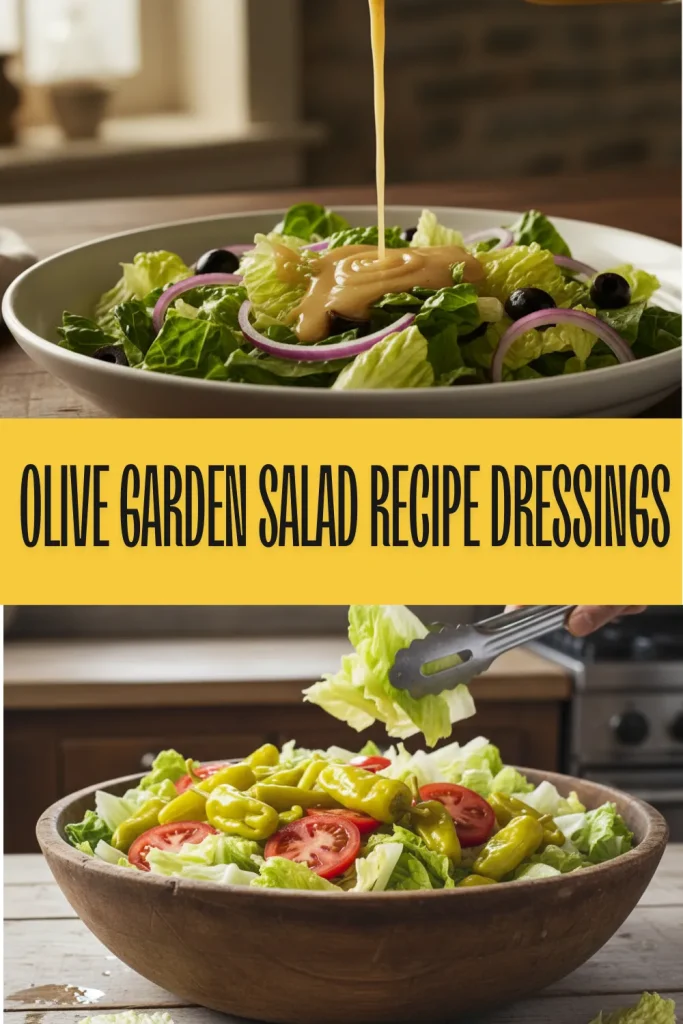

Table of Contents
- 1. The Shortcut Method: Copycat Dressing Using Good Seasons Packets
- 2. The From-Scratch Method: Replicating the Blend with Dried Herbs
- 3. The Creaminess Secret: Preventing Solidification with the Right Oil
- 4. The Complete Assembly: Essential Toppings for the Authentic Garden Salad
- 5. The Verdict: Comparing Homemade Copycats to the Official Bottled Version
- Bringing the Italian Table Home
- Curiosities from the Kitchen
There is something truly magical about that first bite of a crisp, chilled salad at your favorite Italian eatery. Most of us go back specifically for that signature tang and the creamy, herb-flecked dressing that coats every leaf perfectly.
I am here to show you that you do not need a reservation to enjoy that world-famous flavor right in your own kitchen.
Creating this iconic dressing at home is surprisingly simple and much healthier than store-bought alternatives. By using high-quality olive oil, fresh lemon juice, and a blend of aromatic spices, you can control every ingredient for a fresher result.
This approach ensures your family enjoys a balanced meal that is free from unnecessary preservatives while tasting even better than the original.
I invite you to gather your loved ones around the table and share this vibrant, zesty creation tonight. With just a few pantry staples and a quick whisk, you will transform a humble bowl of greens into a culinary masterpiece.
Let us unlock these copycat secrets together and elevate your weeknight dinners with ease.
1. The Shortcut Method: Copycat Dressing Using Good Seasons Packets

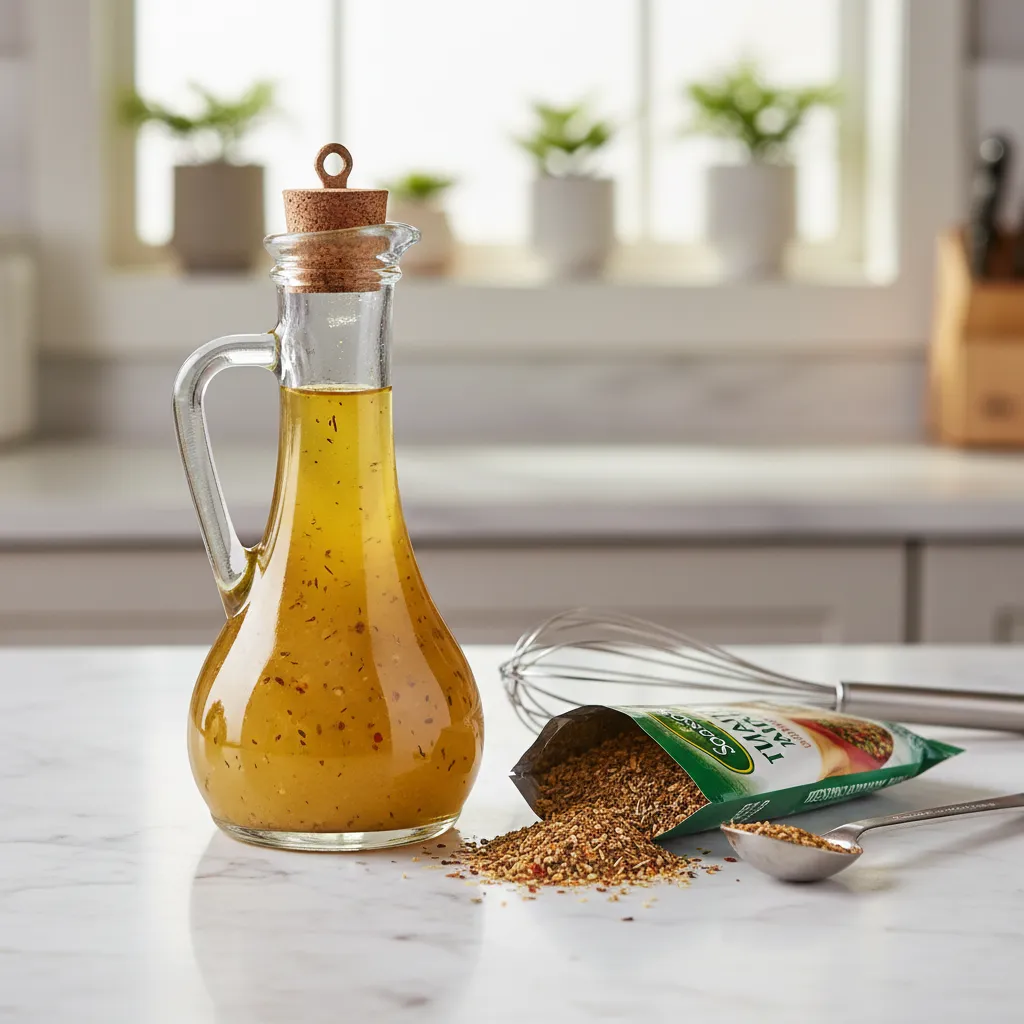
Sometimes you need that signature flavor profile without chopping fresh herbs. This shortcut uses a classic pantry staple to mimic the restaurant taste.
The secret to getting that specific Olive Garden texture is not just the spice blend. It is the addition of mayonnaise to the vinaigrette base.
While the original recipe relies on commercial emulsifiers, home cooks can achieve that creamy consistency with this simple hack.
The best kitchen hacks are the ones that save time but never sacrifice that nostalgic flavor we crave.
This method bridges the gap between a clear vinaigrette and a creamy dressing. It creates a smooth, tangy emulsion that clings perfectly to lettuce.
You can serve this immediately, but letting it sit allows the dried herbs to rehydrate fully. This releases more aromatic oils into the vinegar.
Ingredients
- 1 packet Good Seasons Italian Dressing Mix (dry)
- 3/4 cup canola or vegetable oil
- 1/4 cup white distilled vinegar
- 2 tbsp water
- 1/2 tbsp mayonnaise (creates the creamy texture)
- 1/2 tsp dried Italian seasoning (optional for extra herb flavor)
- 1/4 tsp garlic powder
Instructions
- Find a jar with a tight-fitting lid or a standard dressing cruet.
- Pour the vinegar, water, and mayonnaise into the jar first. Whisk or shake vigorously until the mayonnaise is fully dissolved in the liquid.
- Add the Good Seasons packet, dried Italian seasoning, and garlic powder. Shake again to mix the spices.
- Add the oil last. Seal the container tightly and shake for at least 45 seconds until the dressing looks creamy and emulsified.
- Refrigerate for at least 30 minutes before serving to let the flavors meld. Shake well before pouring.
This dressing pairs beautifully with simple easy spring mix salad recipes ideas for a quick lunch.
Using a neutral oil like canola is important here. Olive oil can sometimes overpower the specific herb blend found in the packet.
To keep a vinaigrette emulsified for longer, add a teaspoon of mustard or mayonnaise. These ingredients act as surfactants to stabilize the mixture.
J. Kenji López-Alt, Serious Eats
Many people wonder how this compares to the official bottled version sold in stores. There are distinct differences in taste and texture.
The packet method often tastes fresher because you control the oil quality. The bottled version must be shelf-stable for months.
| Feature | Packet Hack Method | Store-Bought Bottle |
|---|---|---|
| Freshness | ✅ High (Fresh Oil) | ❌ Lower (Preservatives) |
| Customizable | ✅ Yes (Adjust Acid/Fat) | ❌ No (Fixed Recipe) |
| Creamy Texture | ✅ Moderate (If using Mayo) | ✅ High (Thickeners) |
| Prep Time | ❌ 5 Minutes | ✅ Instant |
If you are planning a full Italian-themed dinner, finish the meal with easy Italian lemon ricotta cookies.
This dressing keeps well in the refrigerator for up to two weeks. Just remember that the oil may solidify slightly due to the cold temperature.
Simply let the cruet sit on the counter for ten minutes before serving. Give it a vigorous shake to restore that creamy consistency.
Copycat Confidential
- Patience pays off: Make this dressing at least 2 hours (or overnight) in advance. The dried herbs in the packet need time to fully rehydrate and infuse the oil for that restaurant-quality depth.
- Quick fix for cold oil: If your dressing solidifies in the fridge, don’t just shake it. Run the bottom of the jar under warm water for 30 seconds to liquefy the oil instantly without overheating the mix.
- The clump-free method: Always dissolve the seasoning packet in the vinegar and water before adding the oil. Spices hydrate better in water than fat, ensuring a smoother texture.
2. The From-Scratch Method: Replicating the Blend with Dried Herbs

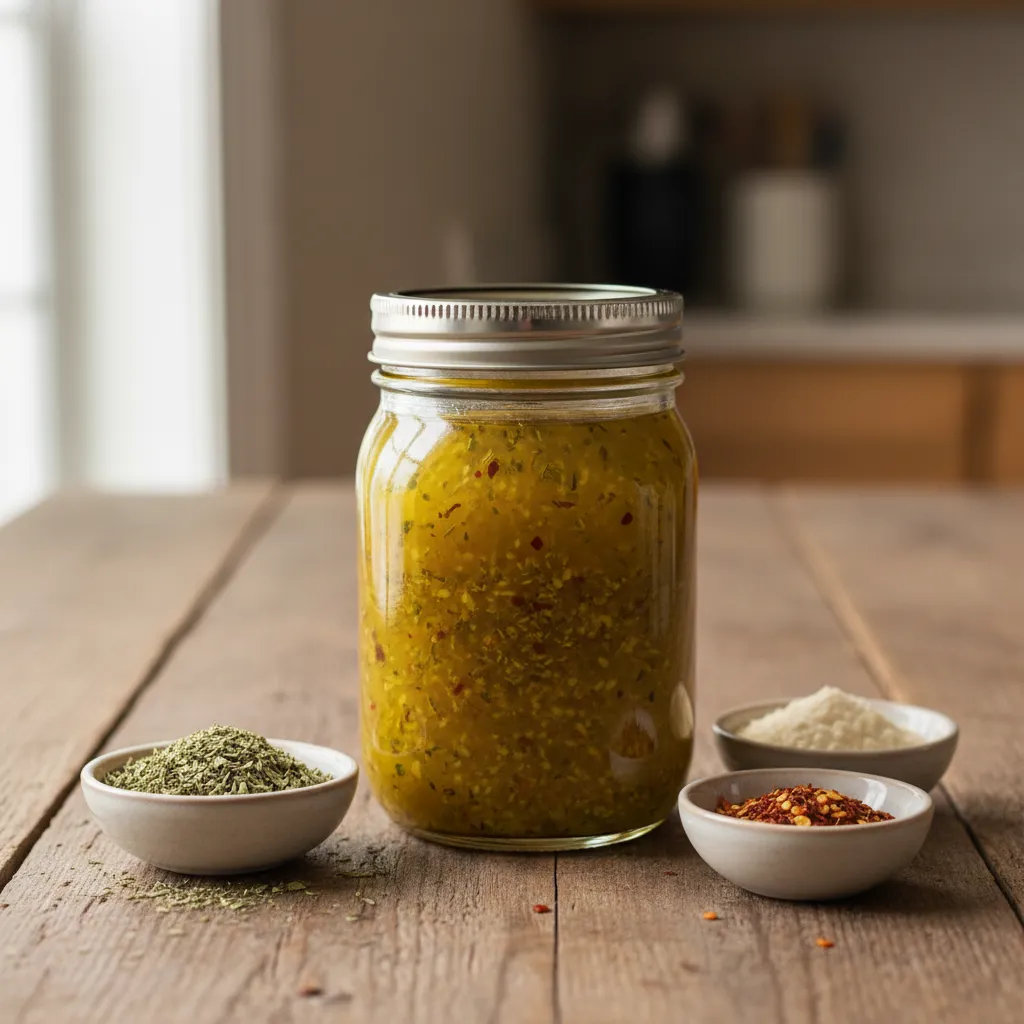
Recreating that signature restaurant flavor at home starts with the right herb blend. The secret lies in using dried herbs rather than fresh ones.
Dried herbs possess a concentrated potency that mimics the robust profile of the original bottle. They also coat the lettuce leaves more effectively.
Mastering the art of the vinaigrette is the first step toward culinary independence in your own kitchen.
Many home cooks mistakenly reach for fresh basil or parsley here. While fresh herbs are lovely, they contain water that can dilute the zesty punch.
Using dried ingredients also ensures your dressing lasts longer in the fridge. This allows the flavors to meld and deepen over 24 hours.
The standard ratio for a classic vinaigrette is three parts oil to one part vinegar, but for a zesty Italian style, a one-to-one ratio often works better to cut through the richness.
The Culinary Institute of America, Culinary Techniques
Dried Herb Masterclass
- Wake Up the Flavor: Rub dried herbs between your palms or fingers before adding them to the mix. The friction and heat release dormant essential oils for a more aromatic dressing.
- The “Bloom” Technique: Whisk your dried herbs into the vinegar before adding the oil. Letting them sit in the acid for 10 minutes helps rehydrate the leaves and extracts flavor more efficiently.
- Check Your Stock: While dried herbs are potent, they lose intensity over time. If your spices have been in the pantry for over a year, increase the quantity by 25% to compensate.
The Essential Herb Profile

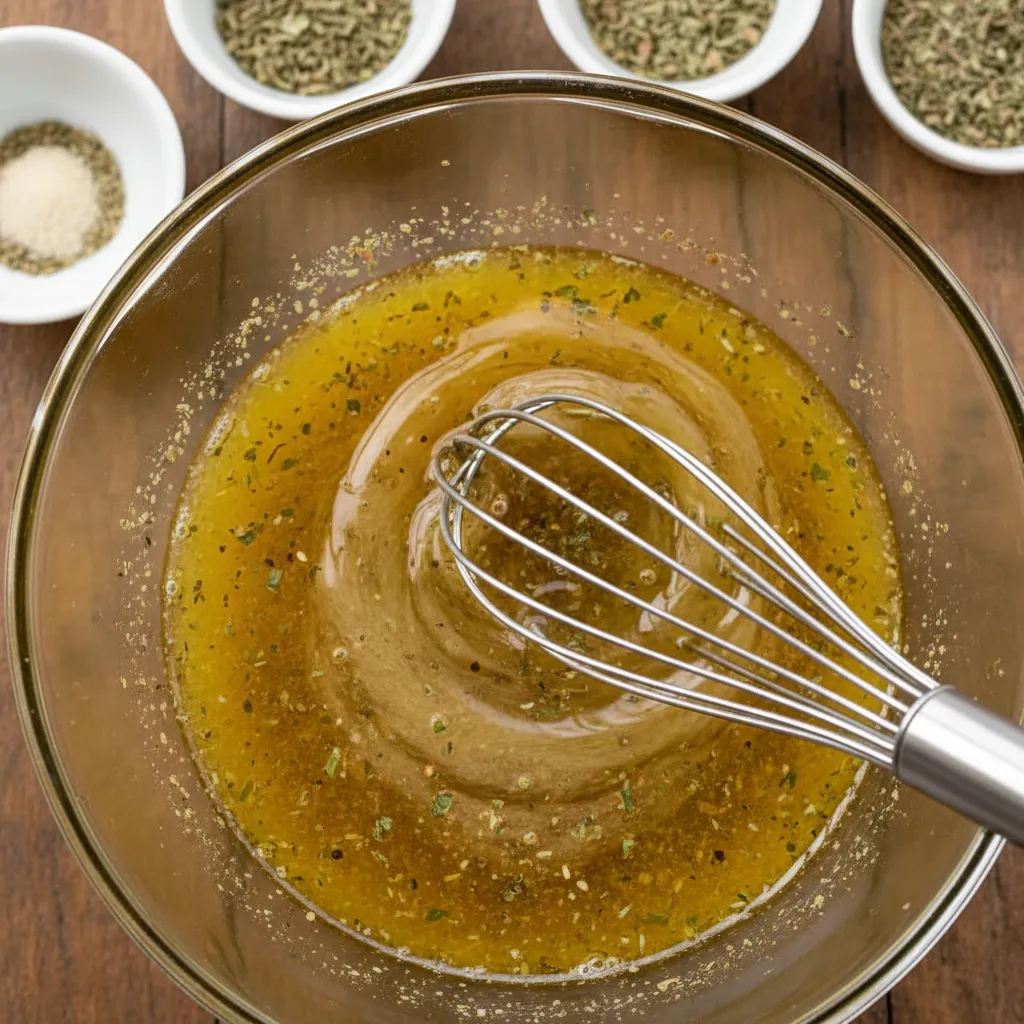
To achieve that authentic taste, you need a specific combination of aromatics. Oregano and basil form the savory backbone of this recipe.
We add a touch of sugar to balance the acidity of the vinegar. This mimics the slightly sweet finish found in the famous restaurant version.
If you enjoy fresh greens, this dressing pairs perfectly with our simple easy spring mix salad recipes ideas.
Ingredients
- 1/2 cup extra virgin olive oil
- 1/3 cup white vinegar (or white wine vinegar)
- 1/4 cup water
- 1 packet (0.7 oz) dry Italian salad dressing mix (or homemade blend below)
- 1/2 tsp dried oregano
- 1/2 tsp garlic powder
- 1/2 tsp onion powder
- 1 tbsp mayonnaise (for creaminess)
- 1 tsp sugar (optional, for balance)
- 1/4 tsp black pepper
Instructions
- Combine liquids: In a medium jar with a tight-fitting lid, pour in the water and white vinegar. Whisk gently to combine the base.
- Add aromatics: Add the dried Italian dressing mix, oregano, garlic powder, onion powder, sugar, and black pepper to the jar.
- Incorporate fat: Add the olive oil and the tablespoon of mayonnaise. The mayo acts as an emulsifier to keep the dressing creamy.
- Emulsify: Seal the lid tightly. Shake the jar vigorously for 30 to 45 seconds until the mixture is fully combined and opaque.
- Rest: Let the dressing sit in the refrigerator for at least 2 hours before serving. This step is crucial for hydrating the dried herbs.
- Serve: Shake well before pouring over your salad. Store leftovers in the fridge for up to two weeks.
For those who grow their own produce, you might wonder about using garden ingredients. While we use dried herbs here, you can learn how to store fresh herbs for weeks for other dishes.
Flavor Infusion Hacks
- To truly awaken the dried herbs, whisk the spices into the vinegar and water first and let them soak for 10 minutes before adding the oil.
- For an even bolder flavor, toast the dried oregano in a dry pan for 30 seconds until fragrant before adding it to your mixing jar.
- If your olive oil solidifies in the fridge, simply run the jar under warm water for a minute to quickly restore its liquid gold consistency.
Why This Method Works
This recipe relies on the process of rehydration. The dried herbs absorb the vinegar and oil, releasing their flavor slowly into the liquid.
The addition of mayonnaise is the “secret” trick. It prevents the oil and vinegar from separating immediately, creating that signature silky texture.
Troubleshooting Your Dressing
Sometimes homemade emulsions can break or taste too sharp. Use this checklist to adjust the flavor profile to your personal palate.
- Too Acidic: Add a pinch more sugar or a teaspoon of water to dilute the vinegar.
- Too Oily: Whisk in a teaspoon of Dijon mustard or more vinegar to balance the fat.
- Too Bland: Add a pinch of salt or a squeeze of fresh lemon juice to wake up the flavors.
- Separated: Add a tiny drop of warm water and whisk vigorously to re-emulsify the mixture.
This method gives you complete control over the ingredients. You can reduce the sodium or swap the sugar for honey without losing the classic taste.
Whisk Like a Pro
- For the smoothest emulsion, ensure your ingredients are at room temperature before mixing; cold oil or vinegar can cause the dressing to separate more easily.
- Want a deeper profile? Let your dressing sit for at least 30 minutes to allow the dried herbs to fully rehydrate and release their essential oils.
- If you are out of mayonnaise, Dijon mustard is an excellent alternative stabilizer that adds a savory tang to your homemade vinaigrette.
3. The Creaminess Secret: Preventing Solidification with the Right Oil

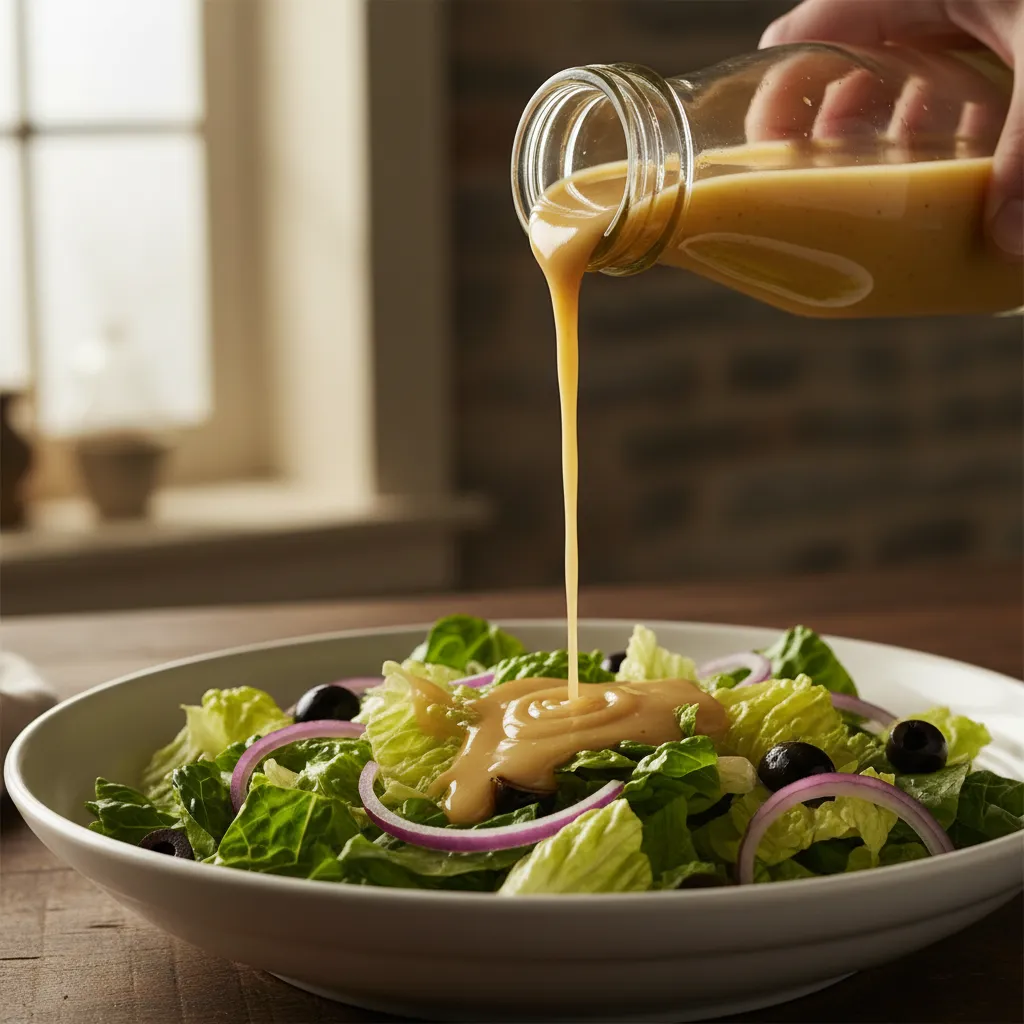
One common frustration with homemade dressings is the fridge factor. You make a beautiful batch, but the next day it is solid.
This happens because extra virgin olive oil contains natural waxes. These waxes harden when the temperature drops below a certain point.
If you want a true Olive Garden Salad Recipe Dressings experience at home, texture is key. You need a dressing that stays pourable.
The secret to a pourable dressing is balancing flavor with functionality.
Chef’s Secret: The Liquid Gold Hack
- Mix Your Oils: To achieve that signature pourable texture even after refrigeration, blend your extra virgin olive oil with a neutral oil like canola or grapeseed. A 50/50 ratio lowers the freezing point while maintaining the rich olive profile.
- The Warm-Up Rule: If your dressing does thicken in the fridge, simply set the bottle in a bowl of lukewarm water for five minutes or let it sit on the counter for 15 minutes. It will return to its silky consistency without damaging the delicate herb flavors.
The 50/50 Oil Blend Technique

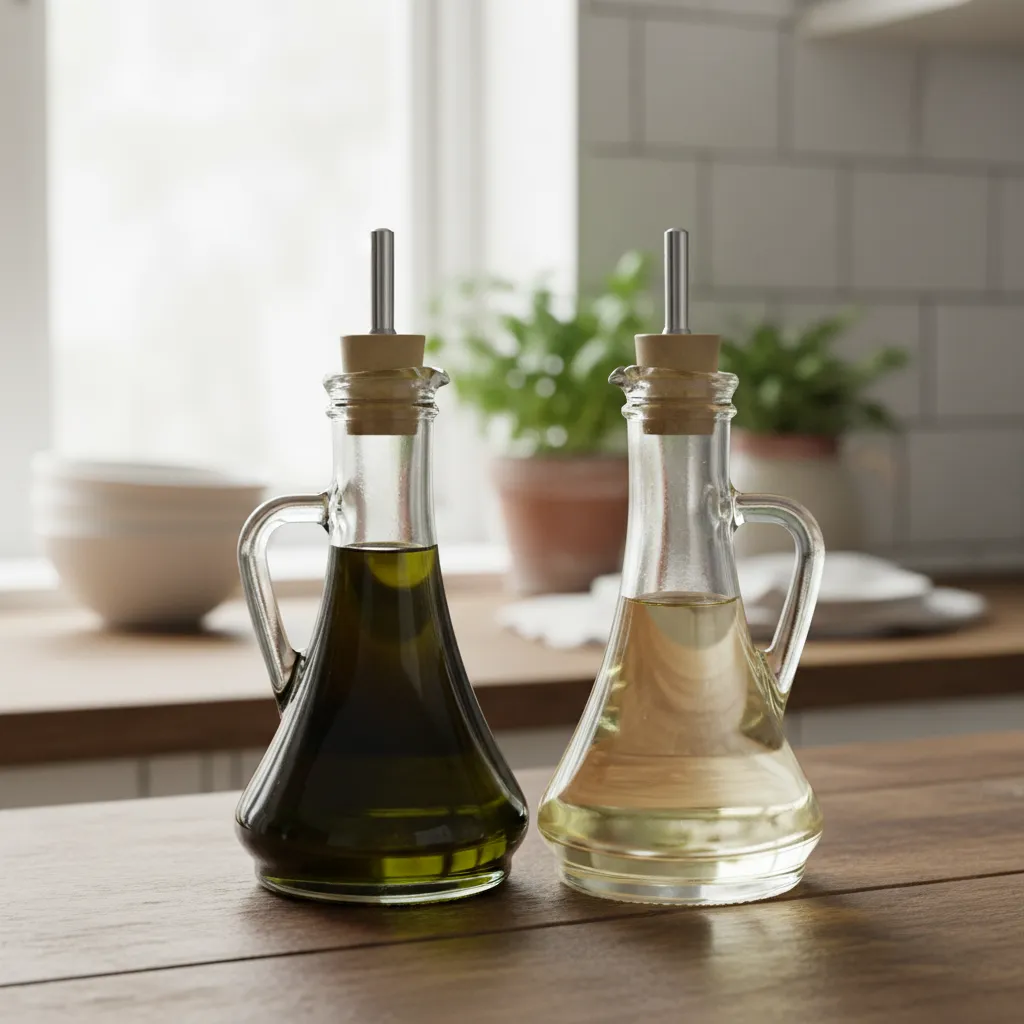
The restaurant version uses a specific blend of oils to maintain that signature consistency. Pure olive oil is often too heavy for this.
We recommend a simple 50/50 split. Use half extra virgin olive oil for that robust flavor we all love. It adds the necessary zest.
For the other half, use a neutral oil like canola or vegetable oil. These oils stay liquid in the refrigerator and lighten the texture.
This blend ensures your dressing is ready for 21 quick lunches for busy workdays without needing to thaw.
Chef’s Secret
- For a silkier finish, ensure both oils are at room temperature before blending to help them emulsify perfectly with your acid.
- If you prefer a healthier profile, swap canola oil for avocado oil; it remains liquid when chilled and offers a clean, neutral flavor.
- Always store your blend in a glass mason jar; a quick 10-second shake is all you need to revive the texture if the olive oil slightly thickens in the fridge.
Oil Stability Comparison

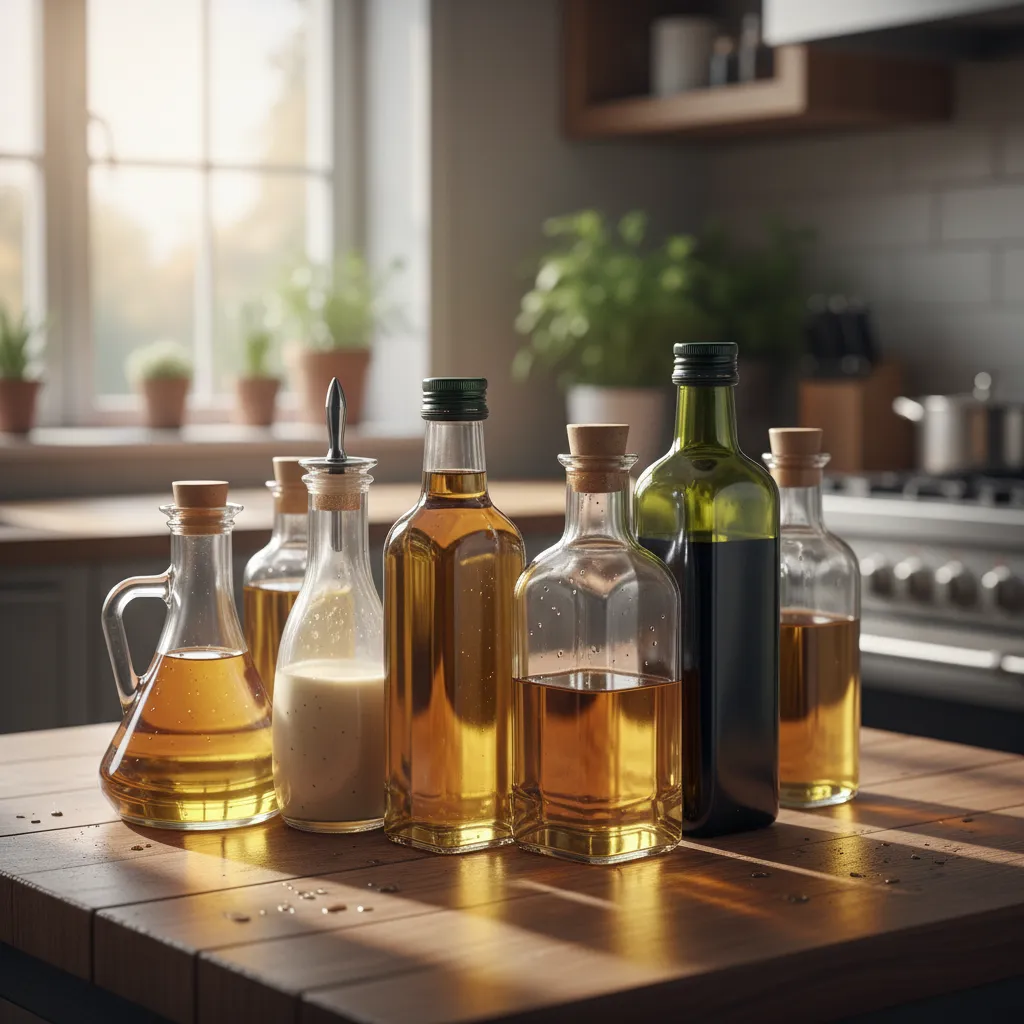
Choosing the right oil impacts both flavor and storage. Here is how different options behave when chilled.
| Oil Variety | Flavor Profile | Fridge Behavior | Best Use |
|---|---|---|---|
| Extra Virgin Olive Oil | Robust, Peppery | Solidifies/Hardens | Immediate Serving |
| Vegetable/Canola | Neutral, Mild | Stays Liquid | Make-Ahead Batches |
| Grapeseed Oil | Clean, Light | Stays Liquid | Delicate Greens |
| Avocado Oil | Buttery, Soft | Thickens Slightly | Creamy Emulsions |
If you plan to refrigerate your dressing, cut the olive oil with a neutral oil like canola or grapeseed to keep it from solidifying.
The Editors, Bon Appétit: Salad Dressing Mistakes
The Chill Factor
- If your olive oil dressing solidifies in the fridge, let it sit at room temperature for 15 minutes or run the bottle under warm water to quickly liquefy the fats.
- For the perfect make-ahead vinaigrette, use a 50/50 blend of extra virgin olive oil and grapeseed oil to maintain a pourable consistency while keeping that rich, peppery flavor.
- Use avocado oil when you want a luscious, creamy texture for emulsions, as it provides a middle ground between solid and liquid states when chilled.
Fixing a Solidified Dressing

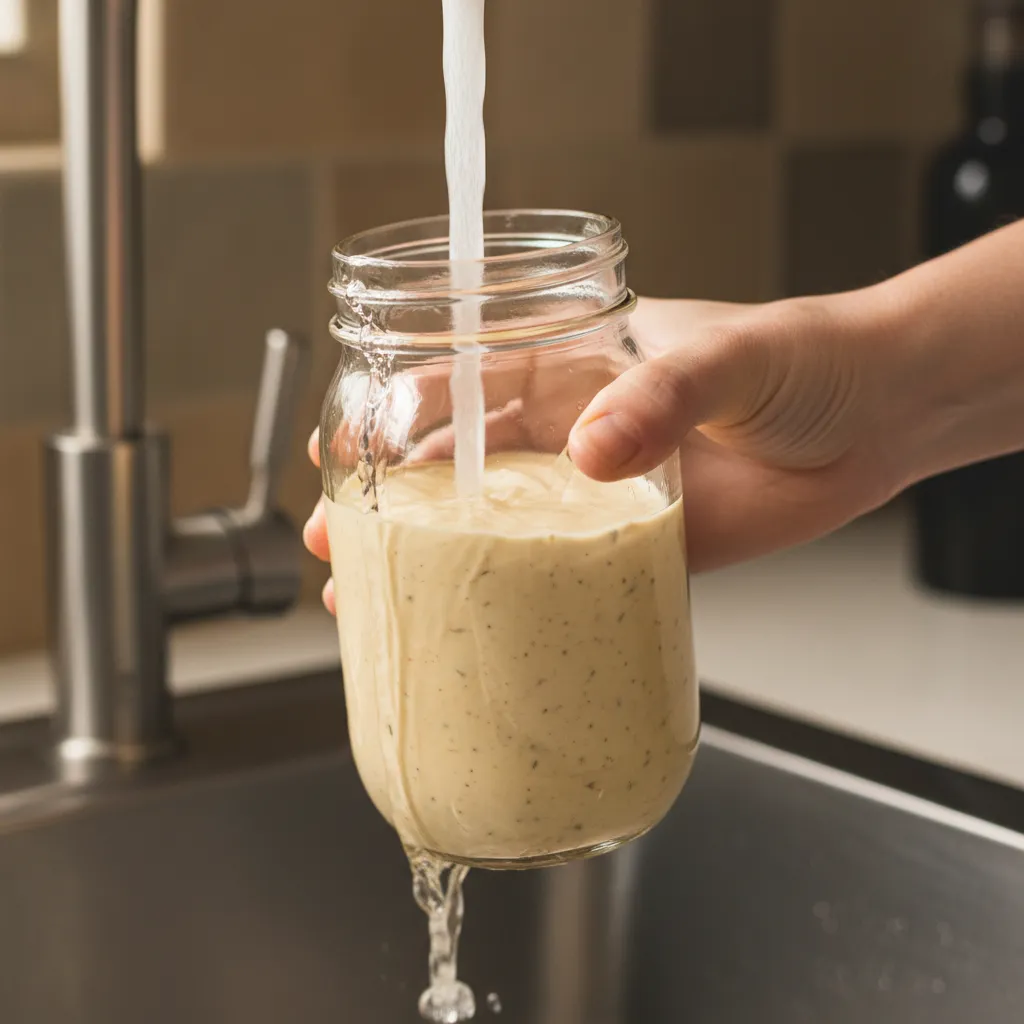
If you prefer using 100% olive oil, do not worry. You can still fix a hardened dressing. It just requires a little patience.
Remove the jar from the fridge about 30 minutes before serving. Let it sit on the counter to reach room temperature naturally.
You can also run the bottle under warm water for a minute. Shake it vigorously to re-emulsify the ingredients before pouring.
Proper storage is just as important as the ingredients. See our guide on how to store fresh herbs for weeks.
Ingredients
- 1/2 cup Extra Virgin Olive Oil
- 1/2 cup Vegetable Oil (or Canola Oil)
- 1/3 cup White Vinegar
- 1 tsp Dried Italian Seasoning
Instructions
1. Combine the olive oil and vegetable oil in a large measuring cup or bowl.
2. Whisk the oils together until they are fully integrated.
3. Add the vinegar and Italian seasoning to the oil blend.
4. Whisk vigorously or shake in a jar until the mixture is emulsified and creamy.
Kitchen Hack
- Need it fast? Place the sealed jar in a bowl of warm water for 5-10 minutes to melt the solidified oil without altering the flavor.
- To keep your dressing pourable for longer, add a teaspoon of Dijon mustard; it acts as a natural stabilizer and helps keep the oils combined even when chilled.
- Avoid the microwave if possible, as uneven heat can separate the dressing permanently. If you must, use 5-second bursts at low power to prevent overheating.
4. The Complete Assembly: Essential Toppings for the Authentic Garden Salad

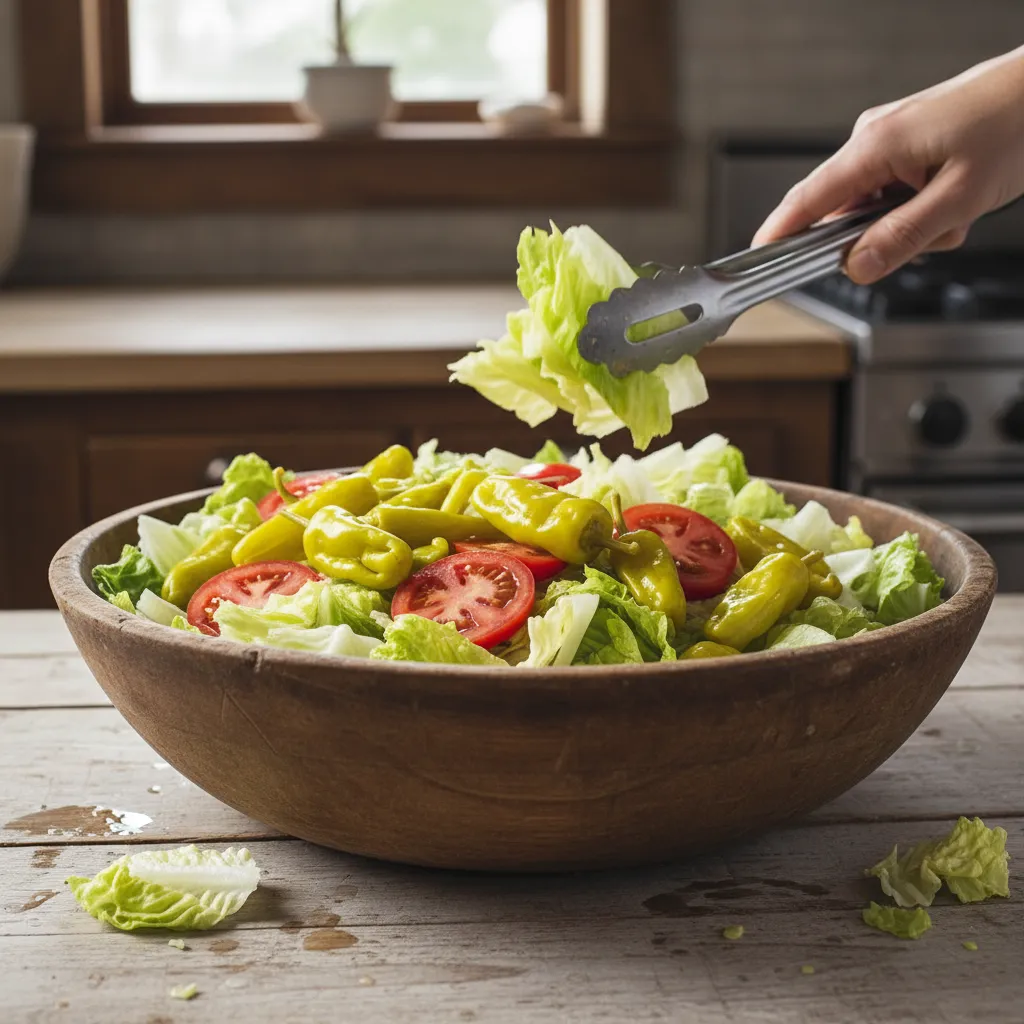
The dressing provides the soul of this dish, but the fresh components provide the body. A true replica requires specific textures.
You cannot simply throw any vegetable into the bowl. The magic lies in the crisp interplay between the cold greens and the savory toppings.
We will build this salad layer by layer. This ensures that every forkful contains a perfect mix of crunch, tang, and creaminess.
Chef’s Assembly Secrets
- Chill your salad bowl in the freezer for ten minutes before assembly to keep those greens extra crisp and refreshing.
- Use a salad spinner to ensure your greens are completely dry; excess moisture is the enemy of a dressing that clings perfectly to every leaf.
- Layer your heavier ingredients like sliced cucumbers and halved tomatoes at the bottom of the bowl to avoid crushing the more delicate lettuce layers.
The Crisp Foundation: Greens and Onions

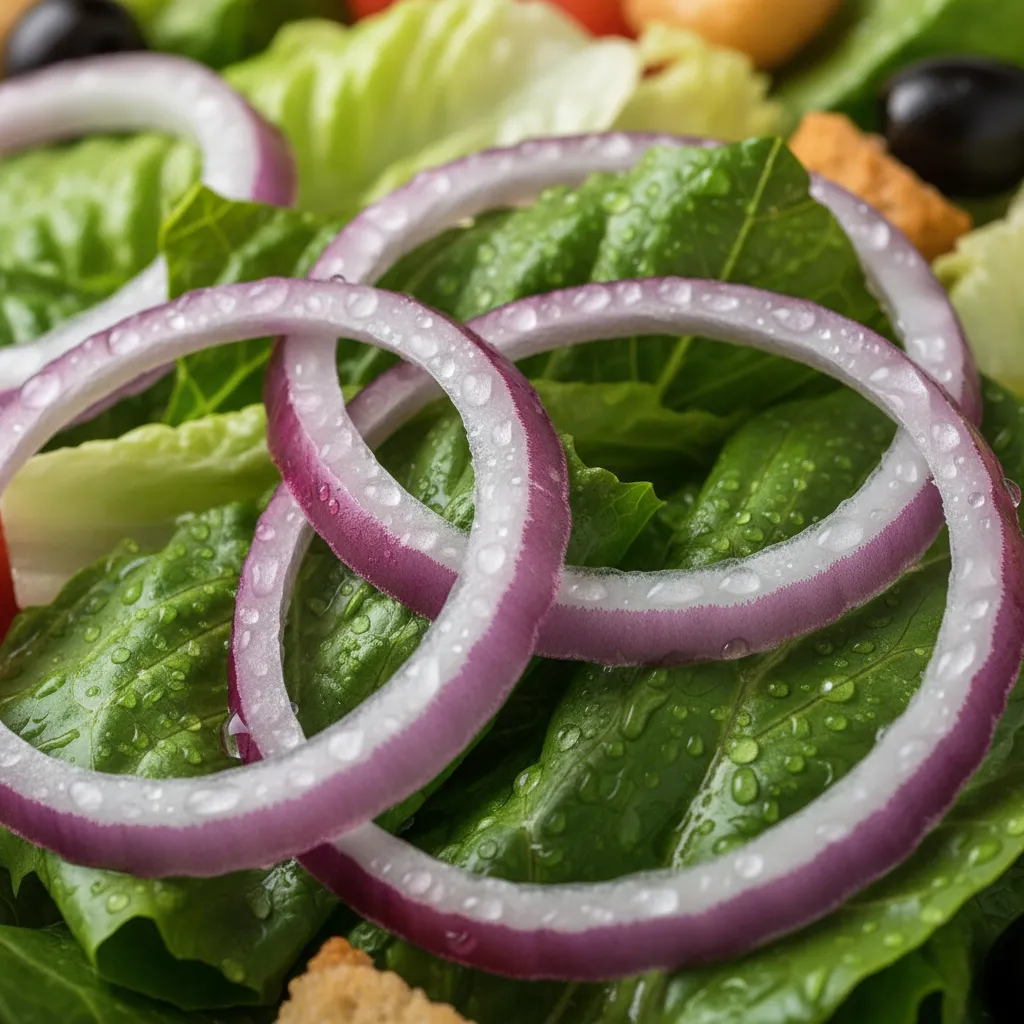
Start with a mix of iceberg and romaine lettuce. Iceberg offers a watery crunch that balances the zesty dressing, while romaine adds color.
Slice your red onions paper-thin. Thick chunks of raw onion can overpower the palate and ruin the subtle garlic notes of the vinaigrette.
If your onions are too pungent, soak them in ice water for ten minutes. This trick removes the sulfurous bite but keeps the snap.
To ensure your dressing clings properly, your greens must be completely dry. A salad spinner is the most effective tool for removing hidden moisture.
The Culinary Institute of America, The Professional Chef
The Crisp Factor
- If your lettuce is slightly wilted, a quick bath in ice water for 15 minutes can restore its maximum crispness before spinning.
- Use a mandoline slicer for those paper-thin onion slices to ensure they provide flavor without overwhelming the bite.
- If you lack a salad spinner, roll your greens in a dry kitchen towel and give it a gentle shake to remove moisture without bruising the leaves.
The Signature Trio: Olives, Peppers, and Tomatoes
Three specific ingredients define this famous house salad. Without them, you are just eating lettuce with Italian dressing.
Black Olives: You must use canned black olives, drained well. Their mild, earthy flavor grounds the acidity of the vinegar.
Roma Tomatoes: Use firm Roma tomatoes rather than beefsteak varieties. They hold their shape better when tossed and have fewer seeds.
Pepperoncini: These pickled peppers are non-negotiable. They add a bright, spicy vinegar kick that cuts through the creamy dressing.
The secret to the perfect garden salad is not just the dressing, but the tactical crunch of a well-placed crouton.
For the croutons, you can buy a seasoned bag or make your own. Leftover bread works beautifully here.
If you have some stale homemade sourdough bread, cube it and toast it with garlic powder for an artisanal touch.
Ingredients
- 1 bag (10 oz) American garden salad mix (Iceberg and Romaine blend)
- 1/2 cup pitted black olives, drained
- 2 whole Roma tomatoes, sliced into wedges
- 1/4 red onion, thinly sliced
- 4 whole pepperoncini peppers
- 1/2 cup garlic herb croutons
- 1/4 cup freshly grated Parmesan cheese
- 3/4 cup Olive Garden signature dressing (prepared in previous steps)
Instructions
- Chill the Bowl: Place a large serving bowl in the freezer for 10 minutes. A chilled bowl keeps the salad crisp longer.
- Prep the Greens: Wash the lettuce thoroughly and spin dry. Any water left on the leaves will dilute your savory dressing.
- First Toss: Place the greens in the bowl. Add about half of the dressing and toss gently to coat every leaf lightly.
- Assemble Toppings: Scatter the olives, red onion slices, and croutons over the dressed greens.
- Add Structure: Arrange the tomato wedges and pepperoncinis around the edges or on top for a beautiful presentation.
- Final Garnish: Drizzle the remaining dressing over the top. Finish with a generous dusting of fresh Parmesan cheese.
- Serve Immediately: Serve this family-style alongside quick lunches for busy workdays or hearty pastas.
The Salad Specialist’s Secret
- To prevent a soggy bowl, always pat your pepperoncinis and olives dry with a paper towel before adding them to the mix.
- For that authentic restaurant experience, store your salad tongs and bowls in the refrigerator for at least 20 minutes before serving to keep every bite perfectly crisp.
- Wait to add the croutons and Parmesan until the very last second to ensure they maintain their maximum crunch against the dressing.
Flavor Interaction Matrix
Understanding how these ingredients interact helps you adjust the ratios to your personal taste preference.
| Component | Sensory Role | Interaction with Dressing |
|---|---|---|
| Black Olives | Earthy, soft texture | Absorbs the oil, mellowing the tartness. |
| Pepperoncini | Spicy, acidic crunch | Amplifies the vinegar notes for a zestier bite. |
| Roma Tomatoes | Sweet, juicy freshness | Provides a palate cleanser between salty bites. |
| Parmesan | Salty, nutty umami | Emulsifies slightly with the dressing for creaminess. |
| Red Onion | Sharp, pungent heat | Contrasts the sweetness of the corn syrup in the mix. |
Chef’s Flavor Playbook
- To temper the sharp heat of the red onions, soak slices in ice water for ten minutes to preserve the crunch while softening the bite.
- For a luxurious texture, whisk the Parmesan directly into your dressing before serving to allow the salty umami to fully emulsify with the oils.
- If the pepperoncini heat is too intense, increase the ratio of Roma tomatoes to add more sweet juice and neutralize the acidity.
5. The Verdict: Comparing Homemade Copycats to the Official Bottled Version

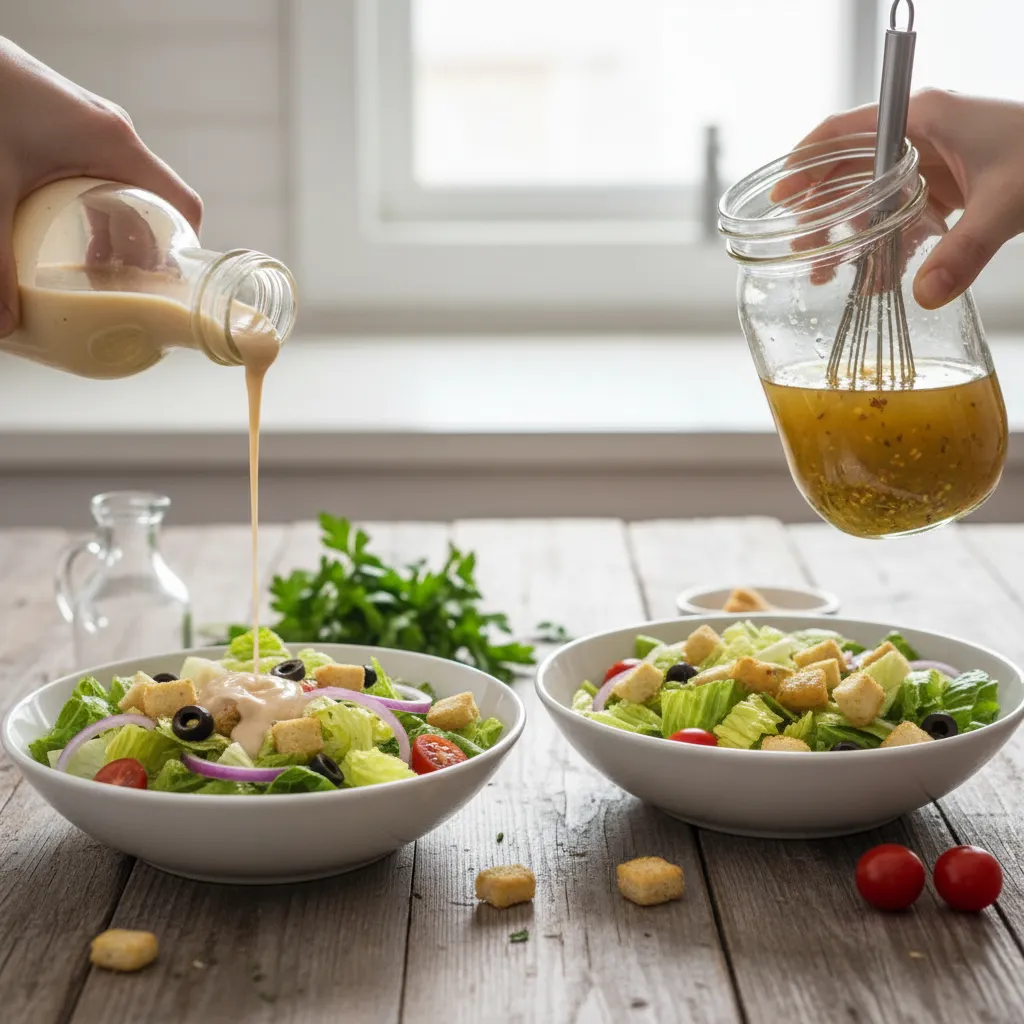
We all love the convenience of grabbing that signature bottle from the grocery aisle. It captures the nostalgia of the restaurant perfectly.
But does it truly hold up against a fresh, homemade version? We put them side-by-side to test the flavor, texture, and overall experience.
The bottled version is undeniably creamy and consistent. It clings to the crispy iceberg lettuce leaves perfectly every time you pour it.
However, it often lacks the sharp “zing” of fresh lemon juice found in our copycat. The shelf-stable version feels heavier on the palate.
The Flavor and Texture Difference

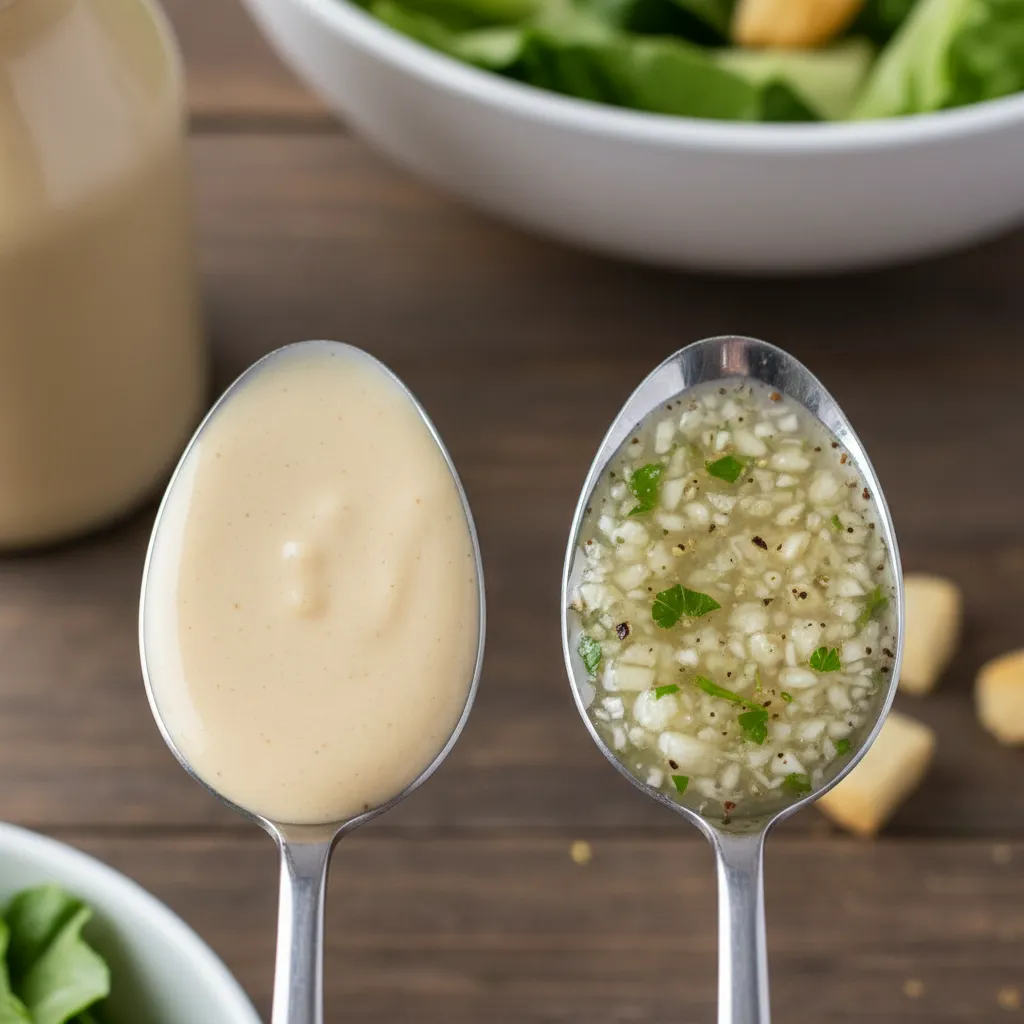
The homemade version offers a brighter, cleaner profile. You can distinctly taste the individual notes of minced garlic, basil, and oregano.
Commercially bottled dressings often use xanthan gum for texture. This creates a mouthfeel that is slightly artificial compared to natural emulsions.
When you whisk your own, you control the oil quality. You can choose a robust extra virgin olive oil that adds a peppery finish.
Homemade dressing tastes better. It just does. It’s fresher, lighter, and more vibrant.
The Kitchn Editors, 5 Reasons Why You Should Make Your Own Salad Dressing
Using fresh parmesan cheese instead of the dehydrated variety found in bottles makes a massive difference. The umami flavor is far more potent.
Cost and Health Benefits

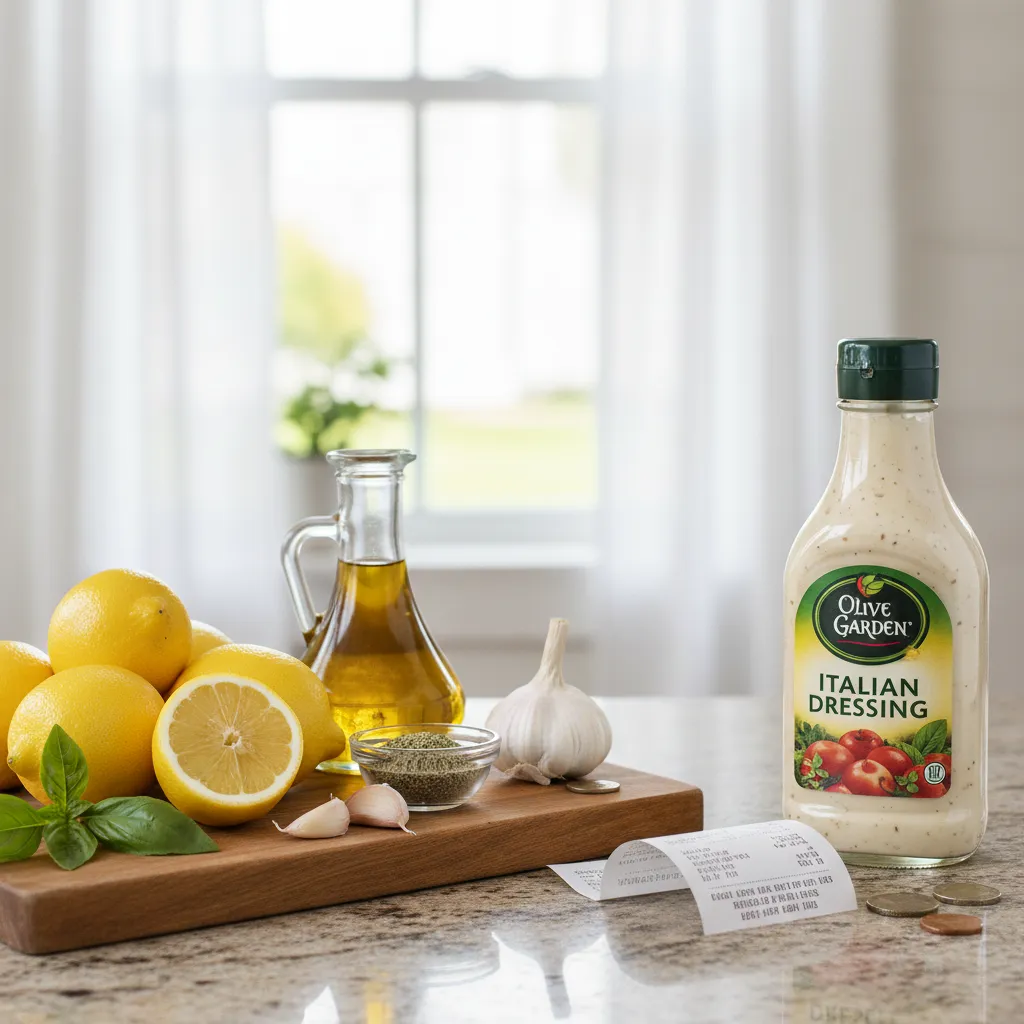
Making this dressing at home is surprisingly budget-friendly. Most pantry staples like white vinegar and dried herbs are likely already in your kitchen.
You also avoid the preservatives used to keep the bottled version stable. High fructose corn syrup is a common additive you can easily skip at home.
If you are planning a large gathering, pairing this fresh salad with 15 easy, healthy dinner recipes for your family elevates the entire meal.
Here is a quick breakdown of why we lean towards the homemade version for special occasions:
- Freshness: Homemade wins with vibrant acidity and distinct herb flavors.
- Control: You can adjust the salt and sugar levels to suit your dietary needs.
- Texture: Fresh emulsions feel lighter and less gummy than stabilized versions.
- Cost: Bulk ingredients cost pennies per serving compared to the premium bottle price.
The secret ingredient isn’t in the bottle, it’s the love and fresh herbs you whisk into the bowl.
While the bottled version is great for a quick lunch, the homemade copycat is the clear winner for flavor. It turns a simple side dish into a star.
For a truly authentic Italian-American feast, try finishing your meal with these Italian lemon ricotta cookies.
Chef’s Secret Sauce
- To achieve that signature bottled thickness without artificial gums, shake your ingredients in a mason jar for at least 30 seconds or use an immersion blender for a silky, long-lasting emulsion.
- Always use freshly grated high-quality Parmesan cheese; the pre-shredded varieties are often coated in potato starch, which can make your homemade dressing gritty rather than smooth.
- Since homemade dressing lacks preservatives, it will stay fresh in the fridge for up to 7 days. If the oil solidifies, simply let it sit at room temperature for 10 minutes and give it a quick shake.
Bringing the Italian Table Home
Mastering this copycat dressing brings that beloved endless salad bowl experience right to your own dining table. It is surprisingly simple to recreate.
Whether you use the pantry shortcut or fresh ingredients, the secret lies in that small scoop of mayonnaise. It changes the texture completely.
Remember to let your mixture rest in the fridge before serving. This patience allows the dried herbs to fully rehydrate and bloom.
Now, grab your crispest iceberg lettuce and perhaps a warm breadstick. It is time to enjoy a restaurant favorite without leaving your kitchen.
Curiosities from the Kitchen
You can, but extra virgin olive oil has a strong flavor that might overpower the herbs. A neutral oil like canola mimics the restaurant taste best.
Mayonnaise acts as a powerful emulsifier. It binds the oil and vinegar together, creating a slightly creamy texture that clings better to salad greens.
Since this recipe includes water and mayonnaise, it is best stored in an airtight jar in the refrigerator for up to one week. Shake well before pouring.
Generally, yes, but always check the specific Good Seasons packet and your mayonnaise brand ingredients to ensure they are certified gluten-free.