
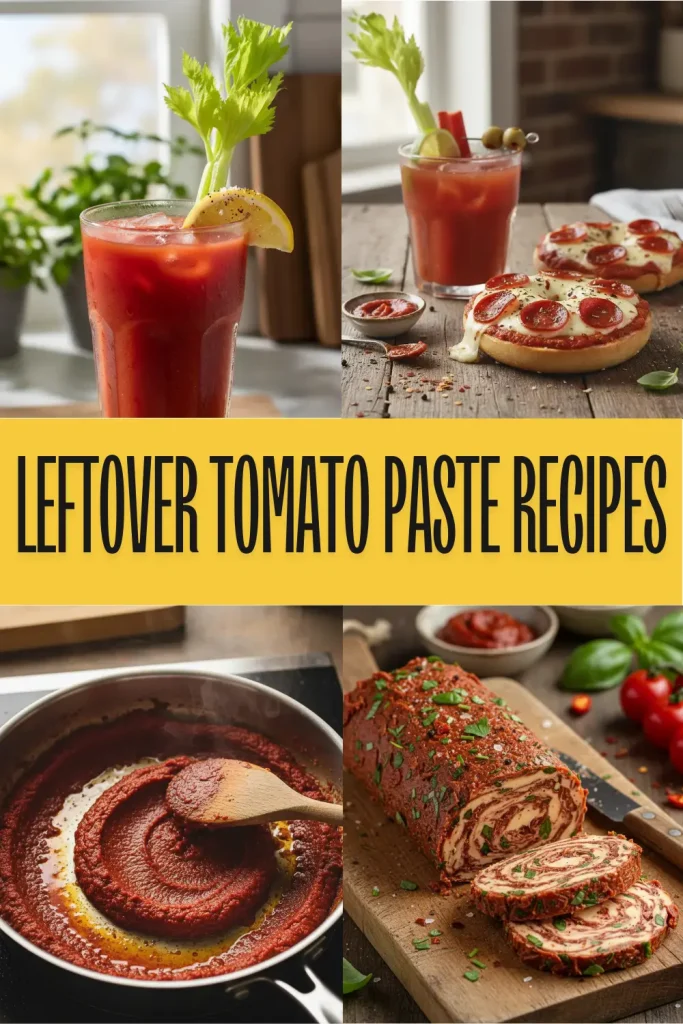

Table of Contents
- Quick Fixes for 1 Tablespoon: Instant Pizza Sauce and Bloody Marys
- Ideas for Half a Can: Savory Compound Butters and Marinades
- Smart Storage: Freezing Paste in Portions or Flat Bags
- Cooking Technique: Always Bloom Paste to Deepen Flavor
- Safety First: How Long Tomato Paste Lasts in the Fridge
- The Final Squeeze of Flavor
- Curiosities from the Kitchen
We have all been there, staring at that small, half-empty can of tomato paste after a recipe only calls for a tablespoon.
This humble ingredient is actually a concentrated powerhouse of deep, savory umami that can transform any dish from ordinary to extraordinary.
Instead of letting it go to waste in the back of your refrigerator, you can harness its full potential as a secret weapon in your culinary arsenal.
By turning these leftovers into instant flavor bombs, you create a shortcut to gourmet taste for those busy weeknight dinners.
These concentrated bursts of acidity and sweetness provide a foundation for rich sauces, hearty stews, and vibrant soups.
It is about working smarter in the kitchen while ensuring every meal you serve is packed with a complex, slow-simmered depth that your family will adore.
Let me guide you through the simple techniques to preserve and elevate this pantry staple.
Whether you are just beginning your cooking journey or you are an experienced home chef, mastering these small details makes all the difference.
Together, we will ensure that every drop of this crimson gold is used to nourish your loved ones and bring more joy to your table.
Quick Fixes for 1 Tablespoon: Instant Pizza Sauce and Bloody Marys

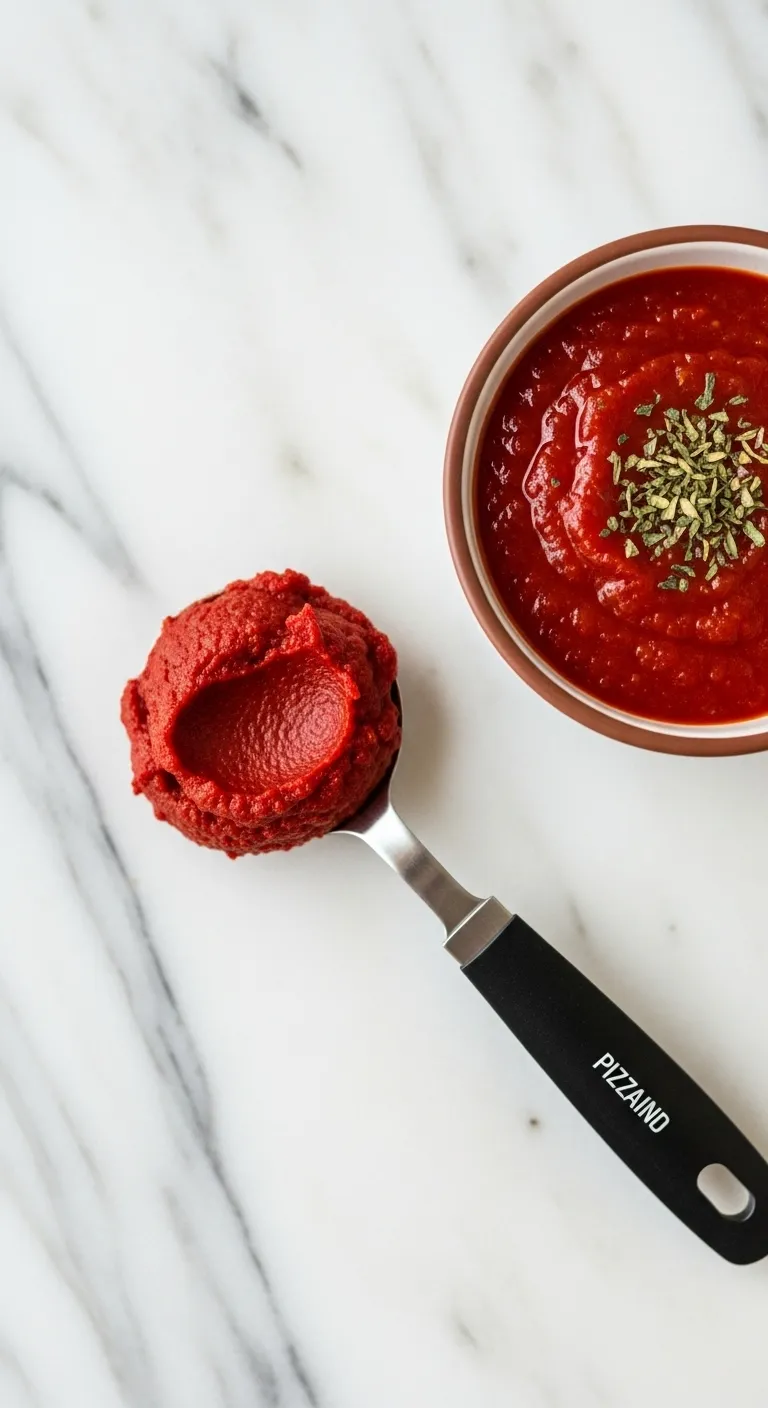
That tiny amount remaining in the tube or can often gets discarded. This is a mistake. That single tablespoon contains the concentrated essence of several whole tomatoes.
It holds the power to transform a bland snack into a gourmet treat. Instead of rinsing it away, view it as a powerful flavor bomb ready to be deployed.
You do not need a full can to make an impact. These micro-recipes use that final tablespoon to create instant culinary magic without any food waste.
One tablespoon of tomato paste is not a leftover; it is the start of your next culinary masterpiece.
Flavor Bomb Hacks
- Instant Pizza Toast: Mix the leftover paste with a splash of olive oil, dried oregano, and garlic powder. Spread it on toast or a bagel, top with mozzarella, and broil for a 5-minute snack.
- The Ultimate Bloody Mary: Whisk the paste into the vodka and lemon juice before adding your tomato mix. The concentrated umami adds a savory depth that watery tomato juice cannot match.
- Rich Vinaigrette: Don’t rinse the can! Add oil and vinegar directly into the nearly empty tin, shake vigorously, and pour the emulsified dressing over bitter greens.
The 2-Minute Mug Pizza Sauce


Cravings for pepperoni slices often strike when you have no marinara in the pantry. This hack creates a rich sauce that tastes like it simmered all day.
By rehydrating the paste with water and oil, you mimic the texture of a traditional sauce. It is perfect for bagel bites, English muffins, or pita bread.
If you are looking for more inspiration on doughs and toppings, check out these classic Italian pizza recipes to pair with this quick fix.
Ingredients
- 1 tbsp Tomato paste
- 1 tbsp Water (warm)
- 1 tsp Olive oil (extra virgin)
- 1/2 tsp Dried oregano
- 1 pinch Garlic powder
- 1 pinch Salt and black pepper
Instructions
- Place the tomato paste in a small ramekin or mug.
- Whisk in the warm water and olive oil until the mixture becomes smooth and glossy.
- Stir in the oregano, garlic powder, salt, and pepper.
- Spread immediately onto your bread base and broil with cheese.
Saucy Secrets
- Cut the sharp acidity often found in concentrated tomato paste by adding a tiny pinch of sugar or a drop of honey to the mix.
- For a bolder flavor profile, microwave the olive oil and dried herbs for 10–15 seconds before whisking in the paste to ‘bloom’ the aromatics.
- Want a spicy kick? Stir in a dash of crushed red pepper flakes to instantly turn this into a quick arrabbiata-style sauce.
The Umami-Packed Bloody Mary


Standard tomato juice can sometimes feel thin or watery on the palate. Adding paste introduces a savory viscosity that mimics a high-end craft cocktail.
The intense tomato flavor stands up well against strong vodka and spicy horseradish. It adds a “meaty” texture that is incredibly satisfying.
Use tomato paste to add savory depth to cocktails… it brings a rich, umami quality that fresh juice alone cannot achieve.
The Editors, Saveur Magazine
This trick works well in virgin versions too, making it a standout among easy summer drinks for brunch.
Ingredients
- 1 tbsp Tomato paste
- 1/2 cup Tomato juice or vegetable juice
- 1 tbsp Lemon juice
- 1 dash Worcestershire sauce
- 1 tsp Hot sauce (optional)
Instructions
- In a shaker or jar, combine the tomato paste with the lemon juice first to loosen it.
- Add the tomato juice, Worcestershire sauce, and hot sauce.
- Shake vigorously with ice to fully dissolve the paste.
- Strain into a glass over fresh ice and garnish with celery.
Mixologist’s Secret
- If shaking doesn’t fully dissolve the paste, use a handheld milk frother to whisk it into the lemon juice first; this ensures a silky, lump-free texture.
- Buy tomato paste in a tube rather than a can for your bar cart. It allows you to squeeze out just the tablespoon you need without wasting an entire tin.
- For an extra savory kick, swap standard salt for celery salt or smoked sea salt to complement the meaty depth of the paste.
Quick Comparison: Paste Hack vs. Jarred Sauce
Why bother making a micro-batch of sauce instead of opening a new jar? This breakdown highlights why the “paste hack” is often the smarter choice.
| Feature | Leftover Paste Hack | Opening New Jar |
|---|---|---|
| Waste Reduction | ✅ High (Uses scraps) | ❌ Low (Risk of spoiling) |
| Cost Per Serving | ✅ Pennies | ❌ Dollars |
| Flavor Intensity | ✅ High (Concentrated) | ❌ Medium (Watery) |
| Storage Space | ✅ None required | ❌ Requires fridge space |
Pantry Power Move
- Bloom for depth: To beat the flavor of jarred sauce, always sauté the tomato paste in oil for 1–2 minutes until it turns a rusty red color. This ‘blooming’ process caramelizes the sugars and removes the metallic canned taste.
- The ‘Liquid Gold’ trick: Instead of thinning your paste with plain tap water, use a ladle of starchy pasta water. The starch helps emulsify the sauce, making it silky and helping it cling to noodles better than watery jarred versions.
- Freeze the rest: If you don’t use the whole can of paste, spoon the leftovers into an ice cube tray. One frozen cube equals roughly one tablespoon, perfect for popping into a pan for a future single-serving dinner without opening a new container.
Ideas for Half a Can: Savory Compound Butters and Marinades

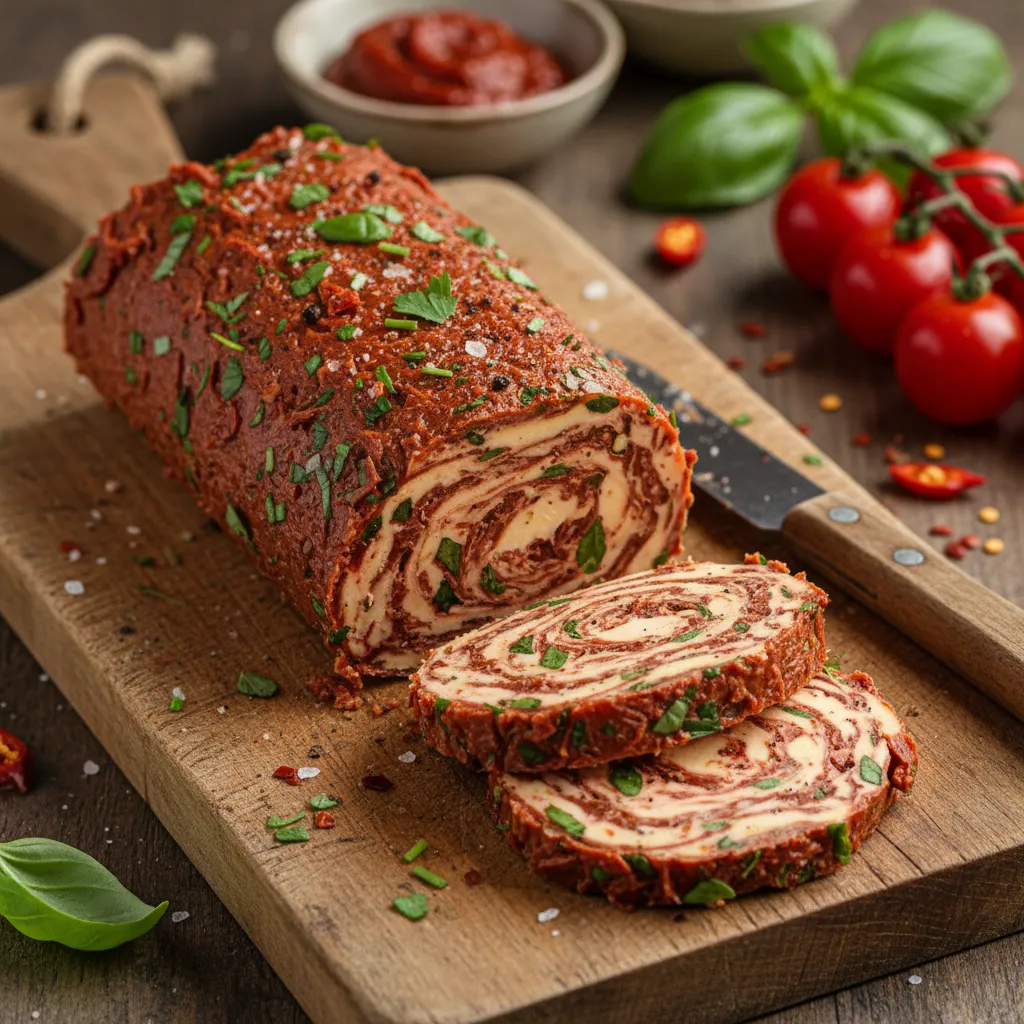
When you have half a can of tomato paste remaining, you have struck culinary gold. This amount is perfect for creating powerful flavor infusions.
Many cooks overlook the potential of raw tomato paste in cold applications. It provides a sweet acidity that cuts through rich fats beautifully.
We will explore two specific ways to utilize this amount: a rich compound butter for finishing meats and a zesty marinade for grilling.
Chef’s Secret
- Roll your tomato compound butter into a log using parchment paper and freeze it; slice off ‘coins’ to melt over hot steak or roasted corn for an instant, gourmet sauce.
- Tomato paste contains natural sugars that caramelize quickly, so keep a close eye on marinated meats on the grill to achieve a perfect char without burning.
- Whisk the paste with oil and vinegar before adding solid ingredients to your marinade to ensure the thick concentrate emulsifies and coats the protein evenly.
Sun-Dried Tomato Style Compound Butter
This butter transforms a simple weeknight meal into a restaurant-quality experience. It mimics the flavor of sun-dried tomatoes but with a smoother texture.

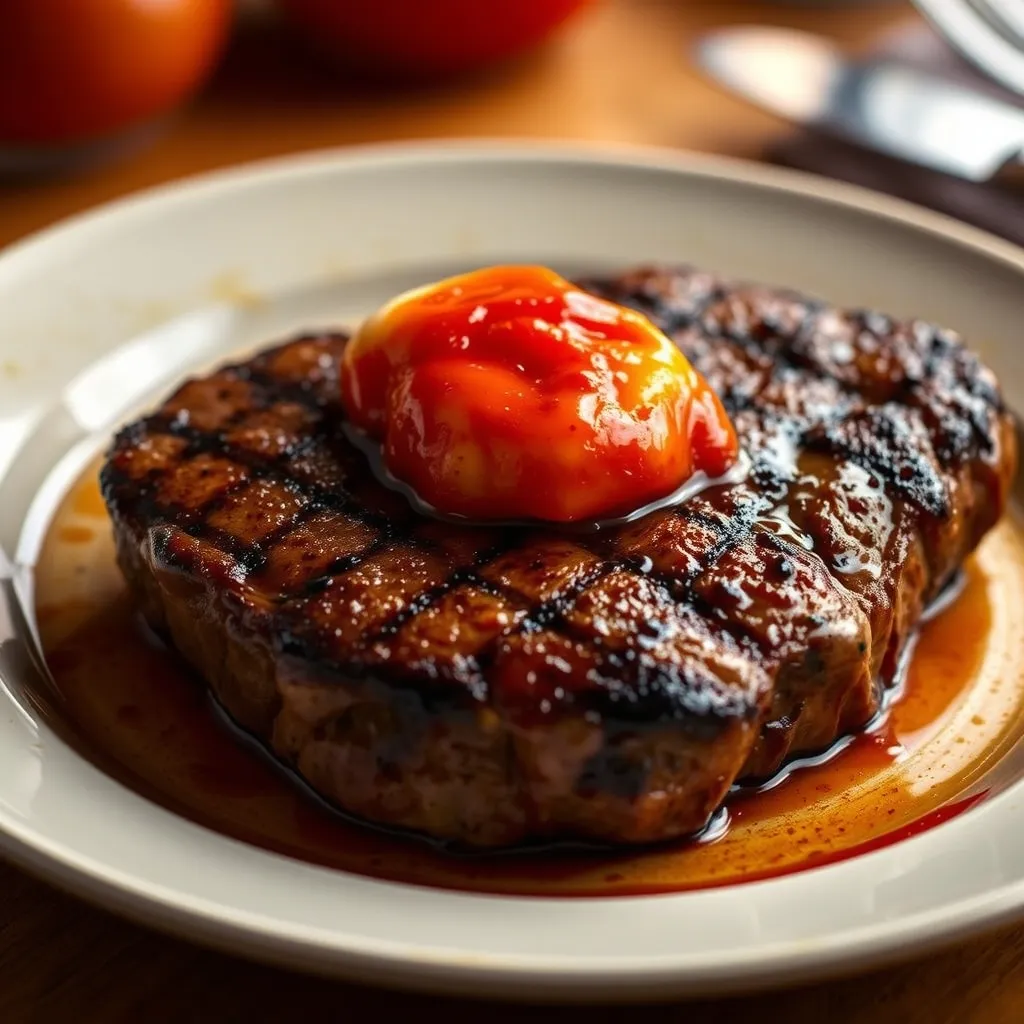
The fat in the butter encapsulates the tomato flavor, mellowing its sharpness. This creates a creamy, umami-rich topping that melts perfectly over hot food.
Try placing a slice of this butter on a hot steak. If you are looking for inspiration, check out these mouthwatering steak recipes to pair with this creation.
Ingredients
- 1/2 cup unsalted butter, softened to room temperature
- 2 tbsp tomato paste
- 1 clove garlic, minced very fine
- 1 tsp fresh rosemary, chopped
- 1/2 tsp sea salt
- 1/4 tsp cracked black pepper
Instructions
- Place the softened butter in a medium mixing bowl. Whip it slightly with a fork to loosen the texture.
- Add the tomato paste, minced garlic, rosemary, salt, and pepper to the bowl.
- Fold the ingredients together until the tomato paste is fully incorporated and the butter turns a pale sunset orange.
- Spoon the mixture onto a sheet of parchment paper. Roll it into a tight log and twist the ends to seal.
- Refrigerate for at least one hour to firm up before slicing into coins.
Tomato paste isn’t just for sauces; it is the secret to a compound butter that tastes like summer all year round.
Chef’s Secret
- Instant Pasta Sauce: Toss a generous coin of this butter into hot, freshly drained noodles with a splash of reserved pasta water for a 2-minute gourmet dinner.
- Freezer Friendly: Slice the chilled log into individual coins and freeze them on a tray. Once solid, store them in a bag so you can pop a slice directly onto grilled chicken or fish anytime.
- Next-Level Grilled Cheese: Swap regular butter for this tomato-infused blend on the outside of your bread to create a golden, savory crust with deep umami flavor.
Savory Flavor Combinations
You can easily customize this butter. Here is a quick guide to pairing herbs with tomato paste for different proteins.
| Herb Pairing | Best Protein | Flavor Profile |
|---|---|---|
| Basil & Oregano | Grilled Chicken | Classic Italian, fresh and herbaceous |
| Smoked Paprika | Pork Chops | Deep, smoky, and slightly sweet |
| Dill & Lemon | White Fish | Bright, zesty, and light |
| Thyme & Shallot | Roast Beef | Earthy, savory, and aromatic |
Tomato paste is a concentrated source of umami… It adds a savory, umami-rich backbone to braises, stews, and sauces.
The Editors, Bon Appétit
Test Kitchen Secrets
- Roll your finished compound butter into a log using parchment paper and store it in the freezer; slice off individual ‘coins’ to instantly melt over hot steaks or stir into pan sauces.
- Bloom your spices first: if using dried herbs or paprika, briefly sauté them in a teaspoon of warm butter to release their essential oils before mixing them into the cold butter block.
- Don’t limit this umami bomb to meats; try melting a pat over roasted root vegetables, grilled corn, or warm crusty sourdough for a savory upgrade.
Quick Tomato-Balsamic Marinade
Tomato paste acts as an emulsifier in marinades. It helps the oil and vinegar bind together, creating a thick coating that clings to your meat.

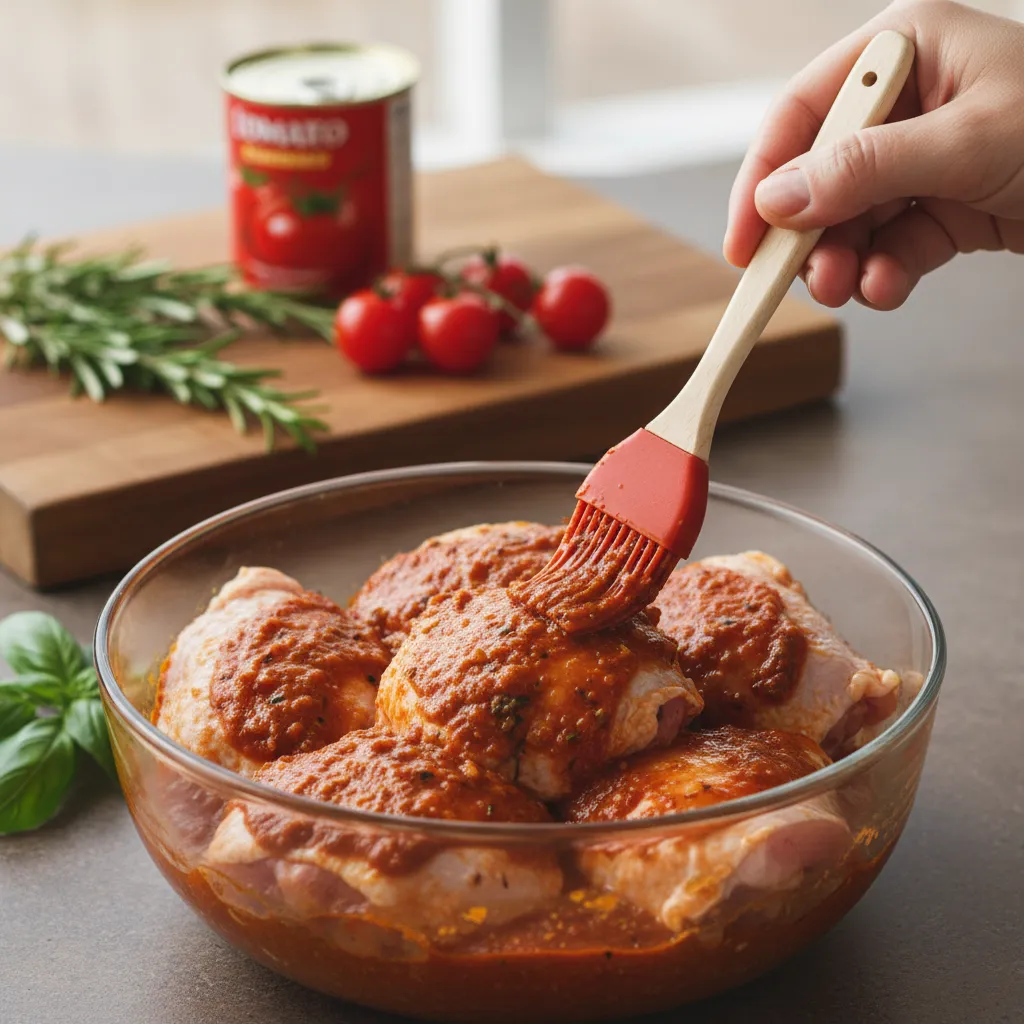
This marinade promotes beautiful browning on the grill. The natural sugars in the tomato paste caramelize rapidly over high heat.
This recipe works exceptionally well with poultry. It is a fantastic addition to any of these juicy grilled chicken recipes for your next barbecue.
Ingredients
- 2 tbsp tomato paste
- 3 tbsp olive oil
- 1 tbsp balsamic vinegar
- 1 tsp dried oregano
- 1 clove garlic, grated
Instructions
- Whisk the tomato paste and balsamic vinegar together in a small bowl until smooth.
- Slowly drizzle in the olive oil while whisking constantly to create a creamy emulsion.
- Stir in the dried oregano and grated garlic.
- Coat your protein immediately and let it sit for at least 30 minutes before cooking.
Grill Master’s Notes
- Watch the heat: The natural sugars in tomato paste and balsamic vinegar caramelize quickly, so keep a close eye on the grill to prevent the coating from charring before the meat is cooked through.
- Customize the kick: Whisk in a pinch of red pepper flakes or smoked paprika to add a spicy, smoky depth that balances the acidity of the vinegar.
- Glossy finish: Reserve a small amount of the marinade before adding raw meat, then brush it onto your protein during the last minute of cooking for an extra layer of flavor and shine.
Smart Storage: Freezing Paste in Portions or Flat Bags

We have all faced the dilemma of the half-empty can. You use a single tablespoon, put the rest in the fridge, and find it moldy a week later.
Stop throwing away this concentrated flavor gold. Freezing your leftover paste is the most effective way to extend its shelf life indefinitely.
Freezing tomato paste isn’t just about saving money; it is about having instant flavor ready for your next culinary masterpiece.
Kitchen Hack: Zero Waste
- The Ice Cube Method: Spoon 1-tablespoon portions into a clean ice cube tray. Once frozen solid, transfer the cubes to a freezer bag for pre-measured flavor bombs.
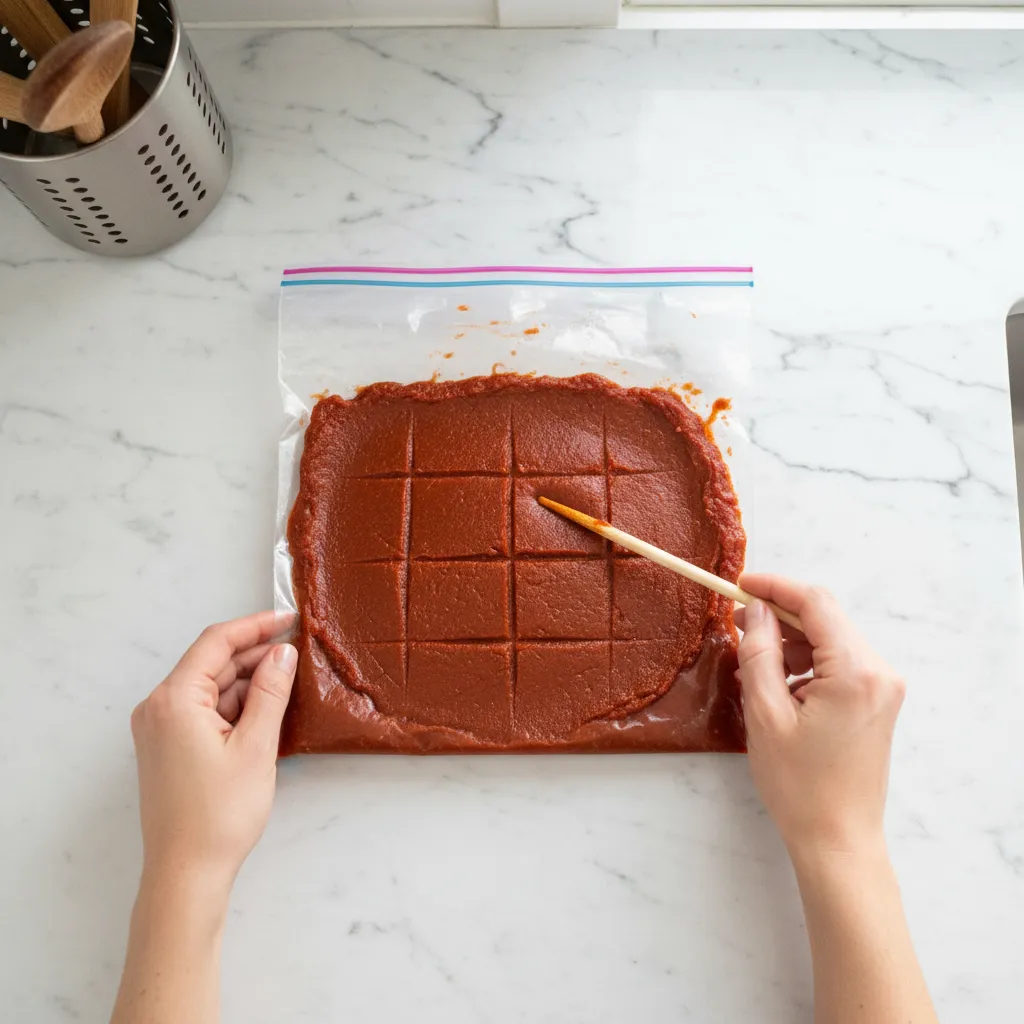
- The Flat-Pack Trick: Scrape the paste into a ziplock bag, press it flat to remove air, and use a chopstick to score a grid pattern before freezing. When you need paste, simply snap off a square.
The Ice Cube Tray Technique

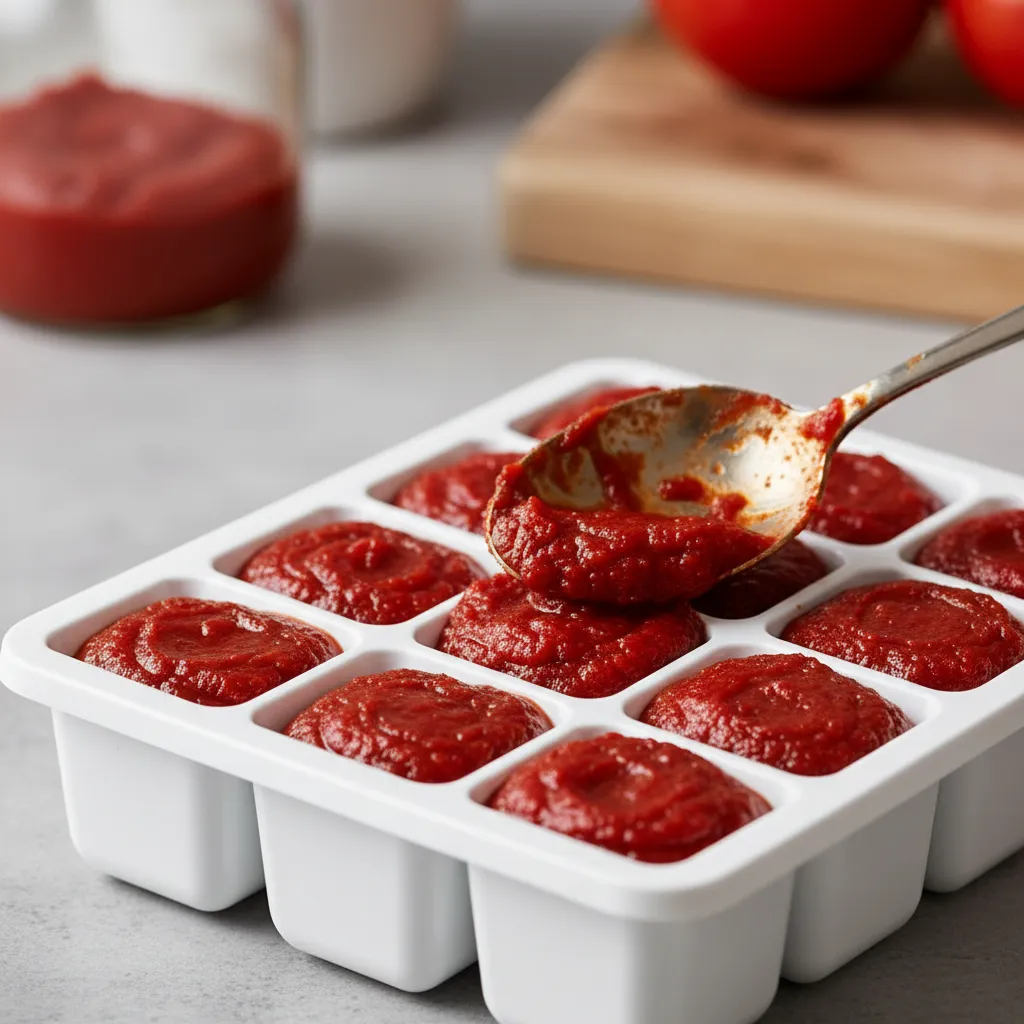
This method is perfect for cooks who value precision. Most standard ice cube trays hold exactly one tablespoon of liquid or paste per well.
Simply spoon the leftover paste into the tray slots. Freeze them until they are solid, which usually takes about two to three hours.
Once frozen, pop the cubes out and transfer them to a freezer-safe bag. You now have pre-measured portions ready for your next sauce.
Chef’s Secret
- Opt for a silicone ice cube tray to make popping out the frozen portions much easier and faster.
- Label your freezer bag with the date and ingredient name, as tomato paste and chili paste can look identical once frozen.
- Lightly grease the tray wells with a tiny bit of oil before filling to ensure even the stickiest pastes slide out without resistance.
The Flat Bag Method
If you are short on freezer space, this technique is a lifesaver. It creates a thin sheet of paste that thaws instantly when dropped into a pan.
Transfer the paste into a small zip-top freezer bag. Push out all the air and seal it. Flatten the paste until it is evenly distributed.
Use the back of a knife or a chopstick to score a grid onto the bag. This allows you to snap off a piece easily whenever you need it.
This is brilliant for adding depth to dishes like 25 Classic Italian Pizza Recipes for a Perfect Slice without opening a new can.
Comparison of Storage Methods
| Method | Preparation Time | Convenience | Best For |
|---|---|---|---|
| Refrigerated Can | None | Low (Spoils fast) | Immediate Use |
| Ice Cube Tray | 5 Minutes | High (Measured) | Soups & Stews |
| Flat Bag | 2 Minutes | High (Space-saving) | Small Sauces |
To freeze, spoon into ice cube trays or drop by tablespoonfuls onto a baking sheet… Once frozen solid, transfer to a freezer bag.
The Spruce Eats, How to Preserve Tomato Paste
Label your bags with the date immediately. While frozen paste remains safe indefinitely, the flavor quality is best within three to four months.
Using these frozen portions is seamless. You do not even need to thaw them before cooking. Just drop a cube directly into your sautéing onions.
This simple habit ensures you always have umami-rich tomato essence on hand for 25 Quick and Easy Dinner Recipes for Fast Weeknight Meals.
The Space-Saver’s Secret
- Label each bag with the date and the specific measurement per square; like 1 tablespoon, so you can snap and cook without second-guessing.
- Stack multiple flat bags vertically in your freezer like files in a folder to maximize every inch of space while keeping your inventory visible.
- To ensure the cleanest snap, use a ruler to press firm, deep lines into the paste through the bag before freezing, but be careful not to puncture the plastic.
Cooking Technique: Always Bloom Paste to Deepen Flavor

Many home cooks make a simple mistake with tomato paste. They whisk it directly into liquids like water or stock.
This method leaves the paste tasting raw and metallic. To unlock its full potential, you must “bloom” it first.
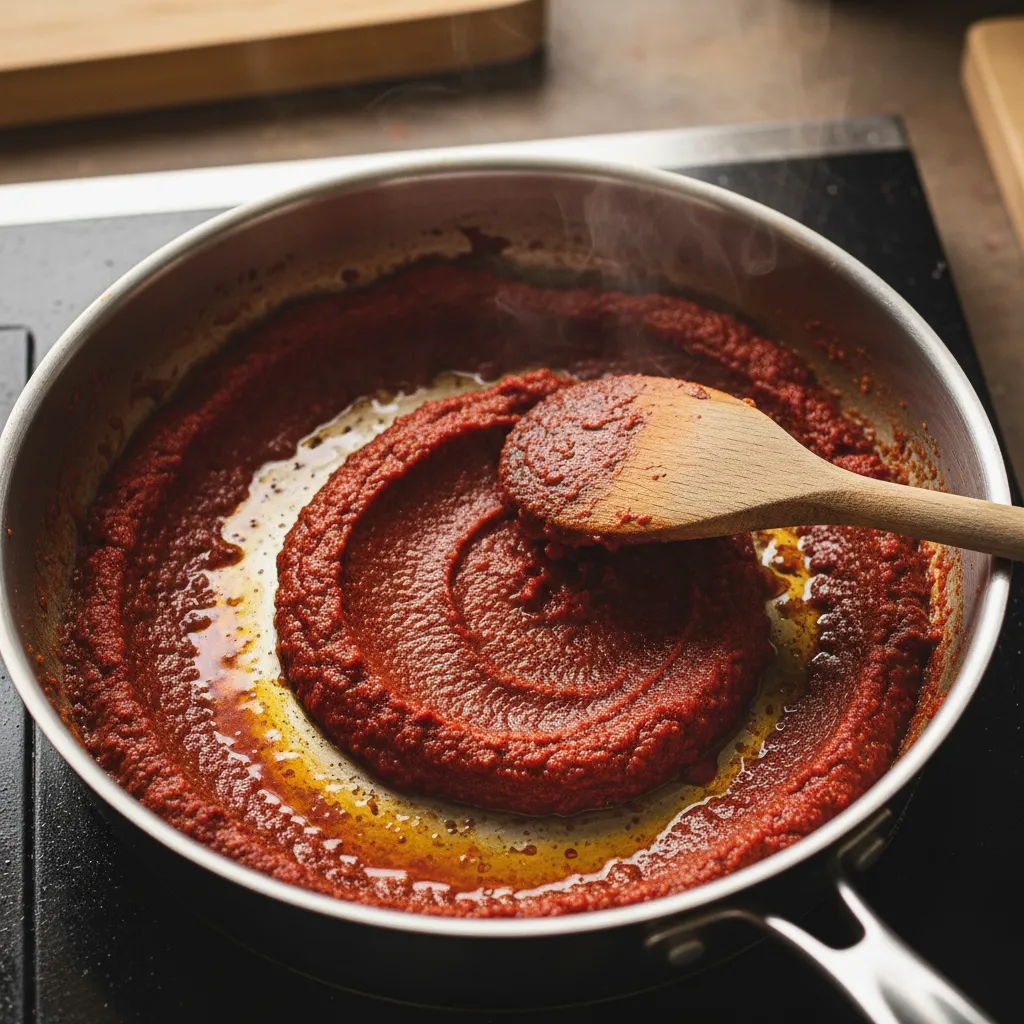
Blooming involves frying the paste in fat before adding any liquid. This crucial step transforms the flavor profile entirely.
The direct heat caramelizes the sugars in the tomato. It changes the taste from acidic and sharp to nutty and savory.
To get the most out of tomato paste, add it to the pan after the aromatics… cook, stirring often, until the paste darkens, about 2 minutes.
The Editors, America’s Test Kitchen
This technique builds a robust foundation for your dishes. It is the secret behind professional-quality sauces.
How to Bloom Tomato Paste Correctly
Follow these steps to ensure you do not burn the paste while extracting maximum umami flavor.
- Start with Fat: Heat oil or butter in your pan. Sauté your onions or mirepoix first until they are soft and translucent.
- Add the Paste: Clear a small hot spot in the center of the pan. Drop your leftover tomato paste directly onto the hot surface.
- Stir Constantly: Vigorously mix the paste with the fat and aromatics. Do not walk away, as the sugars can burn quickly.
- Watch the Color: Cook for 2 to 3 minutes. Stop when the color shifts from bright cherry red to a deep, rusty brick mahogany.
- Deglaze: Immediately pour in your liquid (wine, broth, or water) to stop the cooking process and lift the caramelized bits.
This method works wonders for rich Italian pasta recipes where depth is key.
It creates a complex backdrop that raw paste simply cannot provide. This is especially vital in meatless dishes.
True flavor is born when tomato paste meets hot oil, not cold water.
The difference in sensory experience is palpable. Your palate will notice the shift from “tinny” to “toasty” immediately.
You can also use this trick to upgrade hearty Irish stew recipes during colder months.
Flavor Transformation Data
Understanding the chemical changes helps you appreciate why this extra minute of cooking is necessary.
| Characteristic | Raw Tomato Paste | Bloomed Tomato Paste |
|---|---|---|
| Color | Bright, vibrant red | Deep, rusty mahogany |
| Primary Taste | Acidic, metallic, sharp | Sweet, savory, complex |
| Texture | Smooth and sticky | Grainy and separated |
| Best Use | Cold dips (rarely used) | Stews, braises, sauces |
Mastering this simple skill elevates your cooking instantly. It turns a humble pantry staple into a gourmet ingredient.
The Umami Upgrade
- Freeze leftover paste in tablespoon-sized dollops on a parchment-lined tray then transfer to a freezer bag for perfectly portioned blooming later.
- Toss in your dry spices like oregano or chili flakes during the final 30 seconds of blooming to toast the spices and deepen their aromatic impact.
- If the paste sticks too quickly before it turns mahogany, add a teaspoon of water to loosen the bits and continue frying to ensure even caramelization without burning.
Safety First: How Long Tomato Paste Lasts in the Fridge

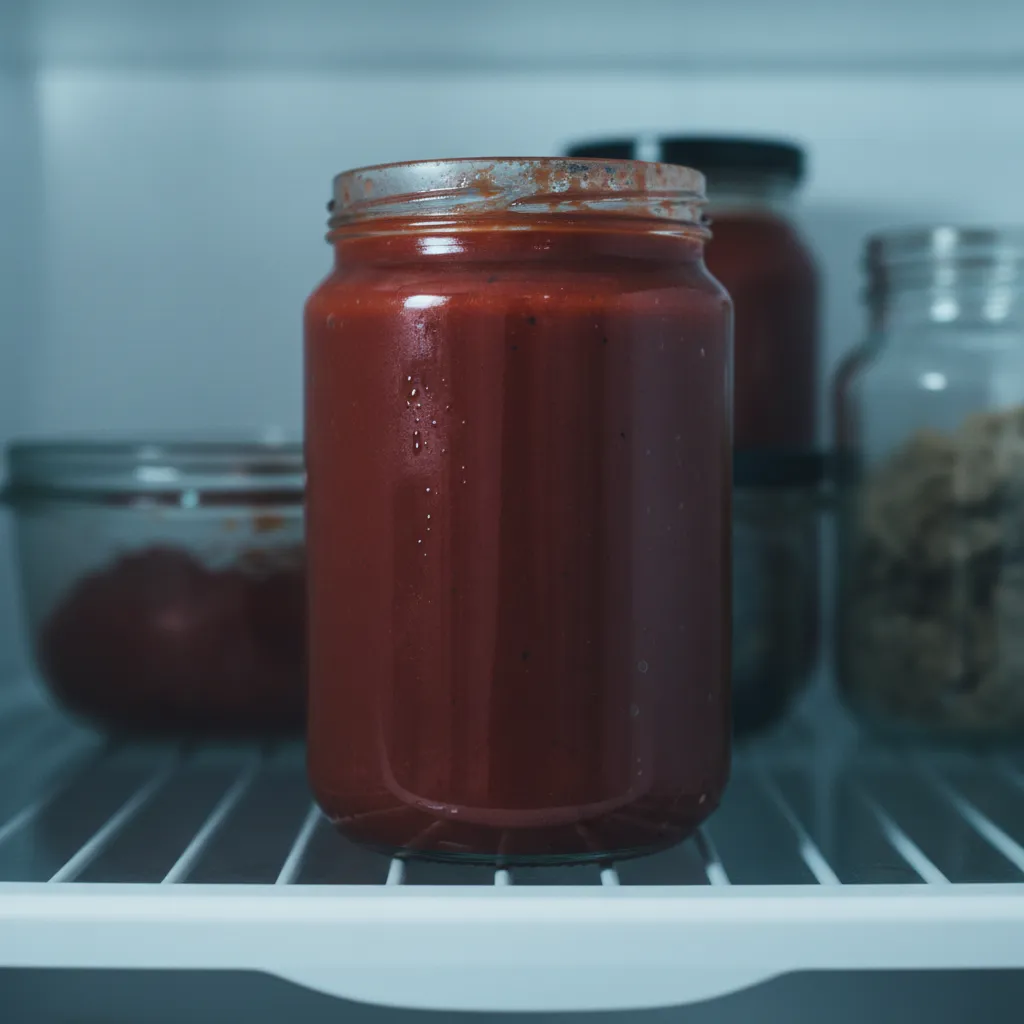
We have all been there. You open a tin for a single tablespoon, and the rest sits on the counter. The clock starts ticking immediately.
Oxygen is the enemy of fresh tomato paste. Once the seal is broken, the vibrant red color can darken quickly. This oxidation affects the flavor.
Most home cooks assume the paste is safe for weeks. However, the reality is much shorter. You need to act fast to preserve that umami punch.
Kitchen Secrets
- Freeze leftover paste in tablespoon-sized portions on a parchment-lined tray then transfer to a freezer bag for future use.
- Smooth the surface of the paste and add a thin layer of olive oil to create an airtight seal that prevents oxidation.
- Always transfer paste from its metal can to a small glass jar to prevent it from developing a metallic aftertaste while stored.
The Golden Rule of Storage

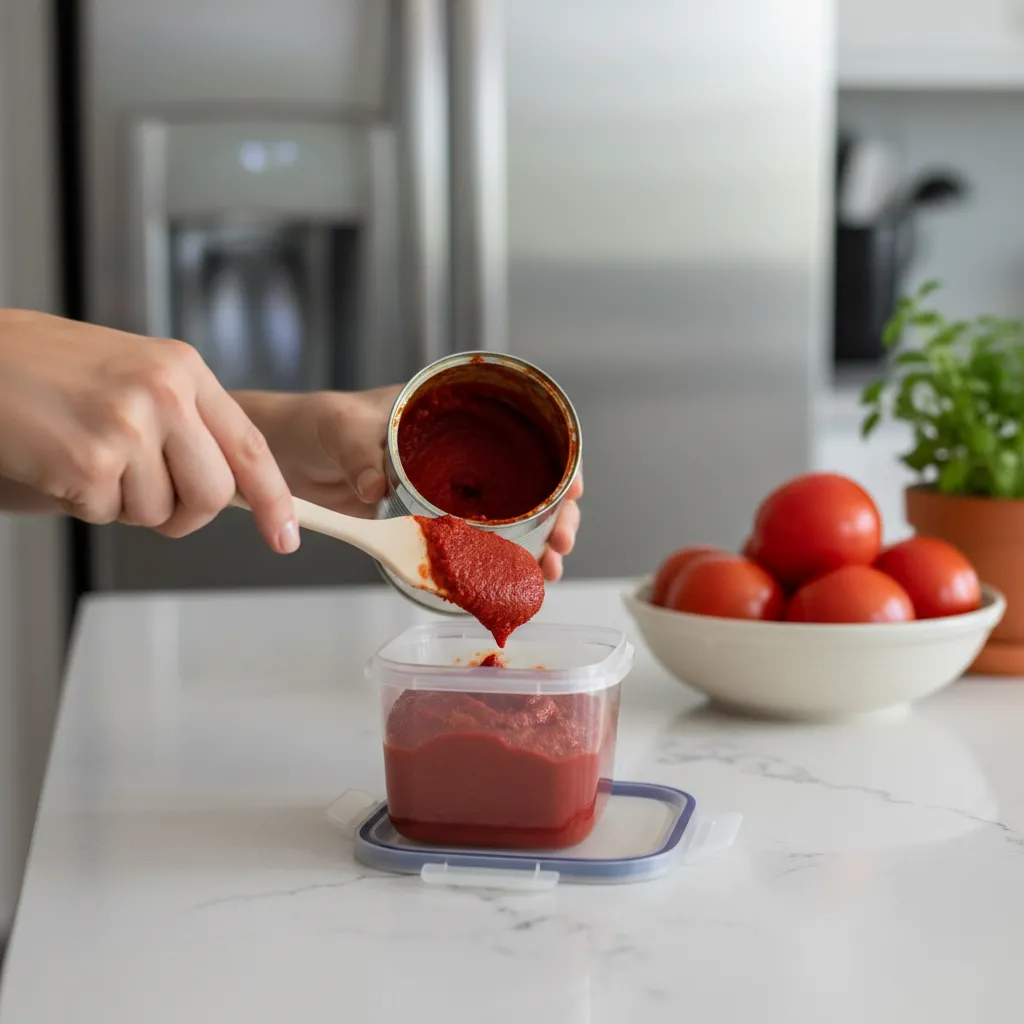
Never store tomato paste in the opened metal can. This is a crucial mistake many beginners make. The acidity reacts with the metal.
This reaction creates a metallic taste that ruins your next dish. It can also cause the rim to rust. Always transfer leftovers to a glass or plastic container.
Unused canned food should be removed from the can and placed in a storage container, either plastic or glass, and refrigerated.
USDA Food Safety and Inspection Service, Shelf-Stable Food Safety
Chef’s Freshness Hack
- Freeze leftover paste in ice cube trays for perfectly portioned amounts in future recipes.
- Add a thin layer of olive oil over the top of the paste in a glass jar to create an airtight seal and prevent mold.
- Always use a clean, dry spoon to scoop out what you need to avoid introducing bacteria to the container.
Freshness Timeline by Container

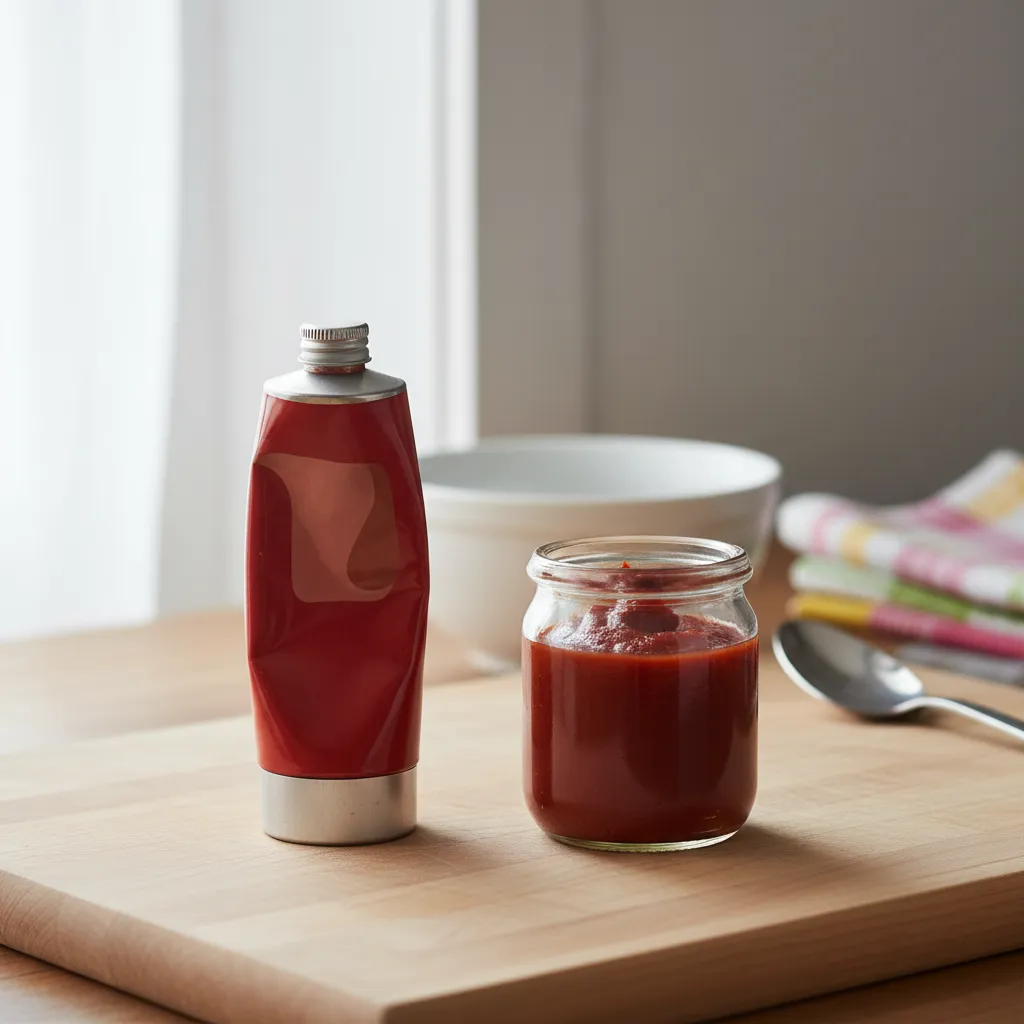
The type of packaging dictates the shelf life. Tubes are generally superior for longevity. Canned paste requires more care and attention.
If you are planning to make one of our 20 perfect lasagna recipes for comfort food lovers, ensure your paste is fresh. Stale paste can make a rich sauce taste sour.
| Storage Method | Estimated Fridge Life | Quality Note |
|---|---|---|
| Open Metal Can | Do Not Store | Develops metallic flavor rapidly. |
| Airtight Container | 5 to 7 Days | Surface may dry out if not leveled. |
| Squeeze Tube | 30 to 45 Days | Minimal air exposure keeps it fresh. |
| Oil-Topped Jar | 7 to 10 Days | Oil acts as a barrier against air. |
Kitchen Pro Tips
- Freeze leftover canned paste in ice cube trays for pre-measured 1-tablespoon portions that last up to 3 months.
- When using tubes, always squeeze from the bottom up to minimize air pockets and prevent oxidation inside the packaging.
- For jar storage, ensure the paste surface is leveled and completely submerged under a thin layer of olive oil to create an airtight seal.
Spotting Spoilage
Your nose is your best tool here. Fresh tomato paste smells sweet and acidic. If it smells yeasty or sour, throw it away immediately.
Visually, look for mold growing on the surface. Even a tiny white speck means the entire batch is contaminated. Do not try to scrape it off.
Texture changes are also a warning sign. If the paste separates significantly or looks watery and slimy, it is past its prime.
Respect the ingredient. A clean spoon and an airtight seal are the difference between vibrant flavor and a wasted can.
The Freshness Guard
- Transfer leftovers to a glass jar to avoid a metallic taste and oxidation from the original can.
- Freeze extra paste in a silicone ice cube tray to create pre-measured portions that won’t spoil.
- Wipe the rim of your storage container before sealing to prevent mold-inviting residue build-up.
The Olive Oil Trick
Chefs often use a simple barrier method. Flatten the surface of your leftover paste with a spoon. Ensure it is perfectly level.
Pour a thin layer of olive oil over the top. This seals the paste from the air. It can extend the fridge life by a few extra days.
Chef’s Freshness Seal
- Wipe the inner rim of your jar with a paper towel before sealing to prevent mold from forming on trapped residue.
- When using the paste again, you can either stir the oil back in for extra flavor or carefully pour it off if you are watching your fat intake.
- To ensure an airtight barrier, gently tap the jar on the counter to remove any air bubbles trapped beneath the paste surface.
The Final Squeeze of Flavor
Never underestimate that lonely tablespoon left in the can. It is not waste; it is a concentrated flavor bomb waiting to elevate your next meal.
From instant mug pizza sauces to savory cocktails, that small amount packs an incredible umami punch that transforms the ordinary into the gourmet.
Next time you see leftovers, freeze them or use them immediately. Let your creativity flow and ensure no deliciousness ever goes down the drain.
Curiosities from the Kitchen
Absolutely. Dollop tablespoon-sized portions onto a parchment-lined tray. Freeze until solid, then transfer to a bag for easy use later.
An opened can typically lasts 5 to 7 days. To extend its life, transfer it to an airtight glass container or drizzle a little oil on top.
Yes. Dilute the paste with water, broth, or cream. Simmer with garlic and herbs to create a rich, smooth sauce in mere minutes.
Tubes are convenient for keeping air out, preventing spoilage. However, canned versions are often more economical for larger recipes.