

Table of Contents
- Recipes Using 1 Egg White: Classic Whiskey Sours and Royal Icing
- Ideas for 2 to 3 Egg Whites: Coconut Macaroons and Meringue Cookies
- Uses for 4 or More Whites: Angel Food Cake and Berry Pavlovas
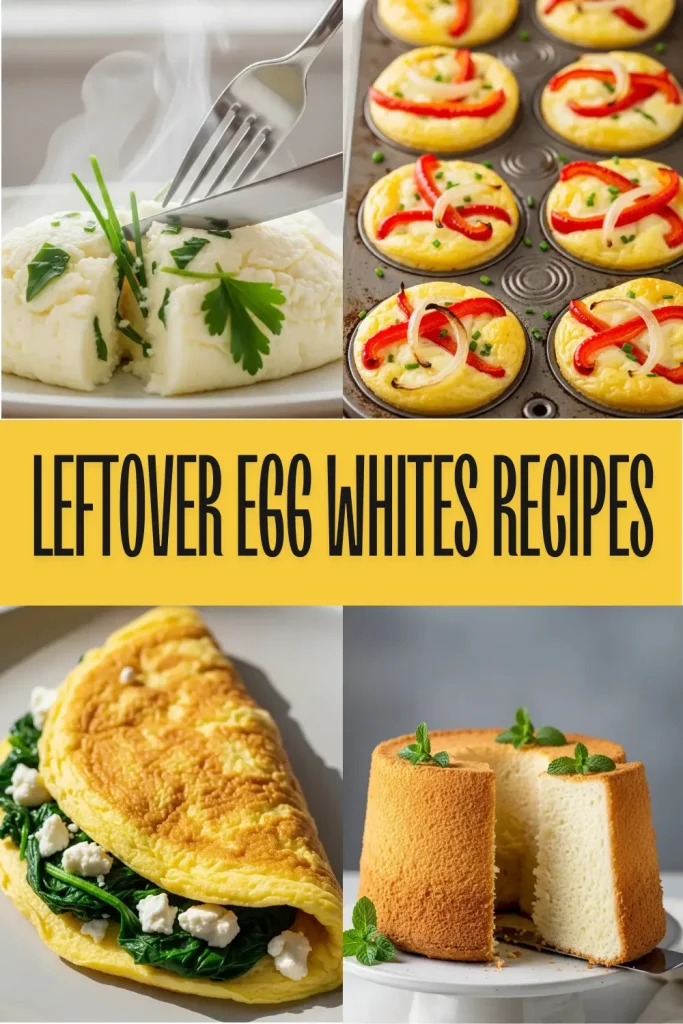
- Healthy Breakfast Options: High-Protein Egg White Omelets and Frittatas
- How to Freeze and Thaw Leftover Egg Whites for Later Use
- No White Left Behind
- Chef’s Notes & Queries
We have all stood in the kitchen staring at a bowl of clear liquid after making a rich custard or a batch of fresh pasta. Do not let those precious proteins go to waste.
To a seasoned cook, leftover egg whites are not a burden but a brilliant opportunity. They are the secret to creating dishes with incredible loft, lightness, and structure.
Mastering these leftovers is simpler than you might imagine.
Whether you whip them into glossy peaks for a sweet meringue or fold them into a savory soufflé, egg whites offer a texture that heavy ingredients simply cannot match.
Texture is a crucial part of flavor. I want to show you how to harness this potential with confidence and ease.
I have gathered my favorite easy ideas to ensure you never throw away an egg white again.
We will cover everything from high-protein breakfasts to elegant desserts that look far more complicated than they are.
Let us turn that humble byproduct into a delicious meal worth sharing with the people you love.
Recipes Using 1 Egg White: Classic Whiskey Sours and Royal Icing
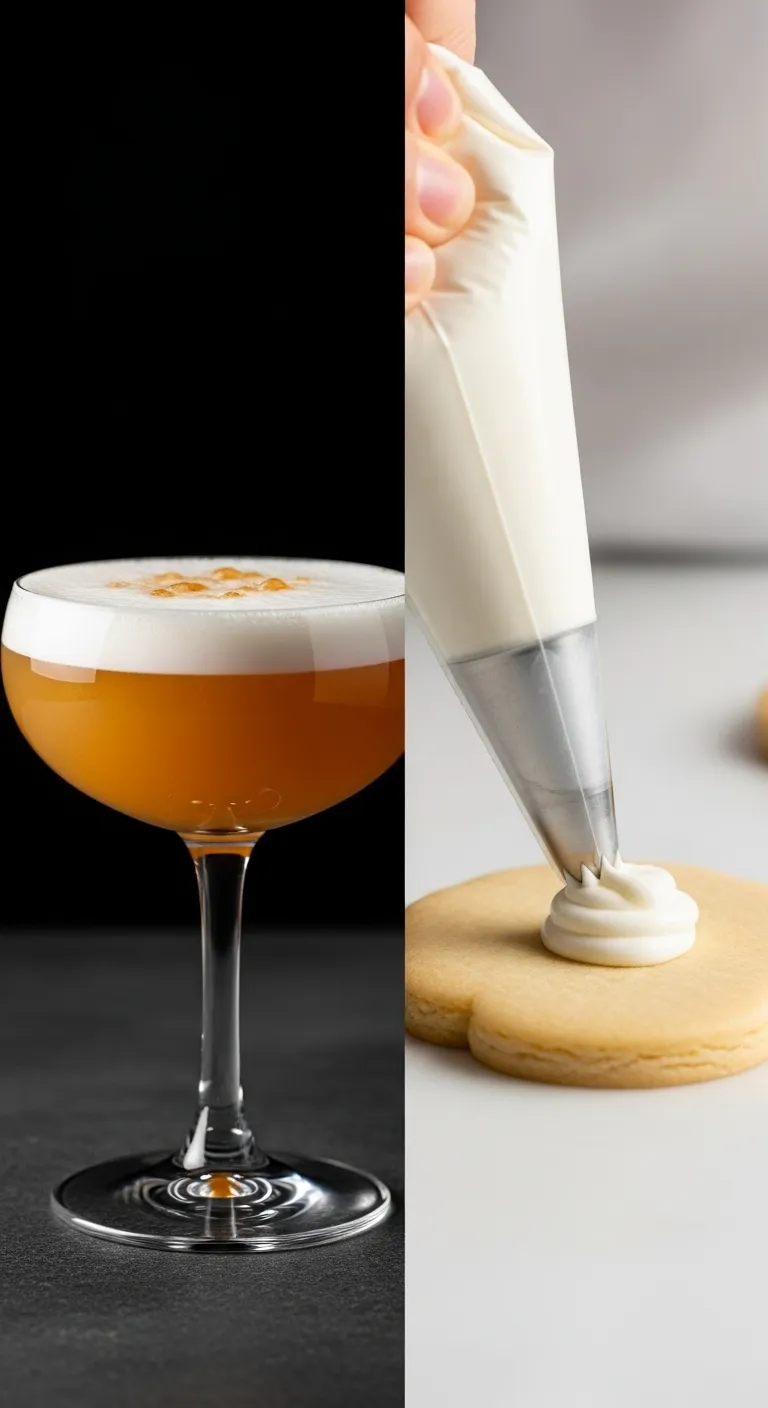
Having a solitary egg white sitting in a bowl can feel frustrating. It often seems like too little to be useful, yet it feels wasteful to toss it.
That single white is actually culinary gold. It is the perfect amount to create a luxurious cocktail or a quick glaze for baked goods.
You do not need a dozen eggs to make magic. We will explore two classic methods to transform that lone ingredient into something spectacular.
Chef’s Secret
- Master the ‘dry shake’ for your Whiskey Sour: vigorous shaking without ice first emulsifies the egg white, creating that signature silky foam.
- Ensure your mixing bowl is completely grease-free before whisking Royal Icing, as even a tiny speck of fat or yolk can stop the whites from stiffening.
- Not ready to use it yet? Freeze the individual egg white in an ice cube tray to keep it fresh for your next baking session.
The Classic Whiskey Sour
The addition of an egg white to a sour cocktail changes everything. It adds a silky mouthfeel and a beautiful, snowy foam cap.
This technique creates a rich texture that mellows the sharp acidity of the lemon. It does not make the drink taste like egg.
See also: 20 Easy Summer Drinks Everyone Loves
The ‘dry shake’, shaking ingredients without ice before shaking with ice, is the secret to a perfectly frothy egg white cocktail.
The Editors, Liquor.com

Ingredients
- 2 ounces bourbon or rye whiskey
- 3/4 ounce fresh lemon juice
- 1/2 ounce simple syrup
- 1 large egg white
- Ice cubes
- Garnish: Angostura bitters or orange peel
Instructions
- Add whiskey, lemon juice, simple syrup, and the egg white to a cocktail shaker. Do not add ice yet.
- Seal the shaker and shake vigorously for 15 seconds. This is called the “dry shake” and emulsifies the egg.
- Open the shaker and add a handful of ice. Seal it again.
- Shake again for 30 seconds until the shaker feels frosty cold.
- Strain the mixture into a coupe glass. The foam will settle on top. Garnish with a few drops of bitters.
Bartender’s Secret
- Not a fan of raw eggs? Swap the egg white for 1 ounce of aquafaba (chickpea liquid) to achieve that signature foam completely plant-based.
- Try the ‘Reverse Dry Shake’ technique for extra volume: Shake with ice first to chill, strain out the ice, and then shake vigorously again to aerate before pouring.
- To create beautiful designs on your foam, carefully drop the bitters on top and drag a toothpick through the droplets to form hearts or swirls.
Small-Batch Royal Icing
Royal icing is the gold standard for decorating cookies because it hardens to a durable, candy-like finish. Most recipes make huge batches.
One egg white makes just enough icing to decorate a small plate of cookies. It is perfect for adding detail without creating waste.
If you need a base for this icing, it pairs beautifully with our sugar cookie recipes.
Ingredients
- 1 large egg white (room temperature)
- 1 1/2 cups powdered sugar, sifted
- 1/2 teaspoon lemon juice or vanilla extract
Instructions
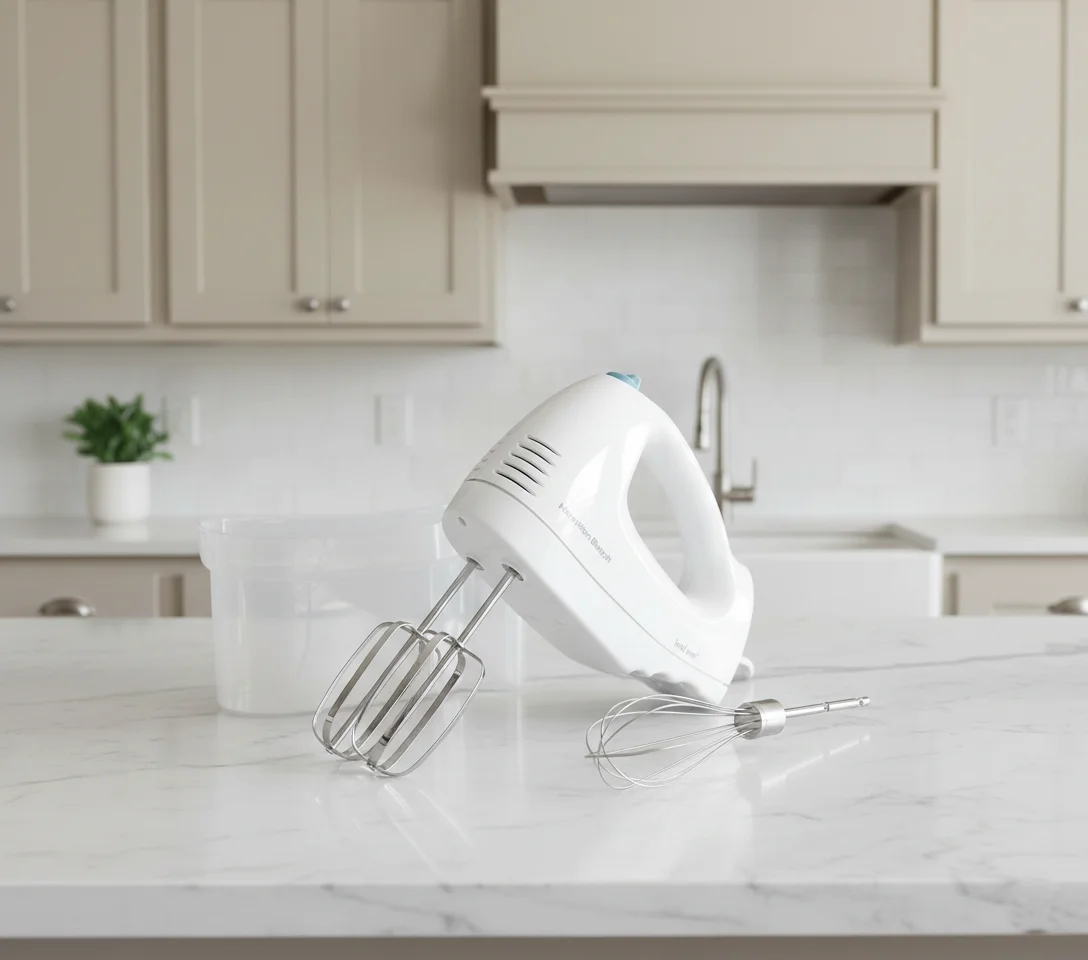
- Place the egg white in a clean, grease-free bowl. Beat with a hand mixer until it becomes frothy.
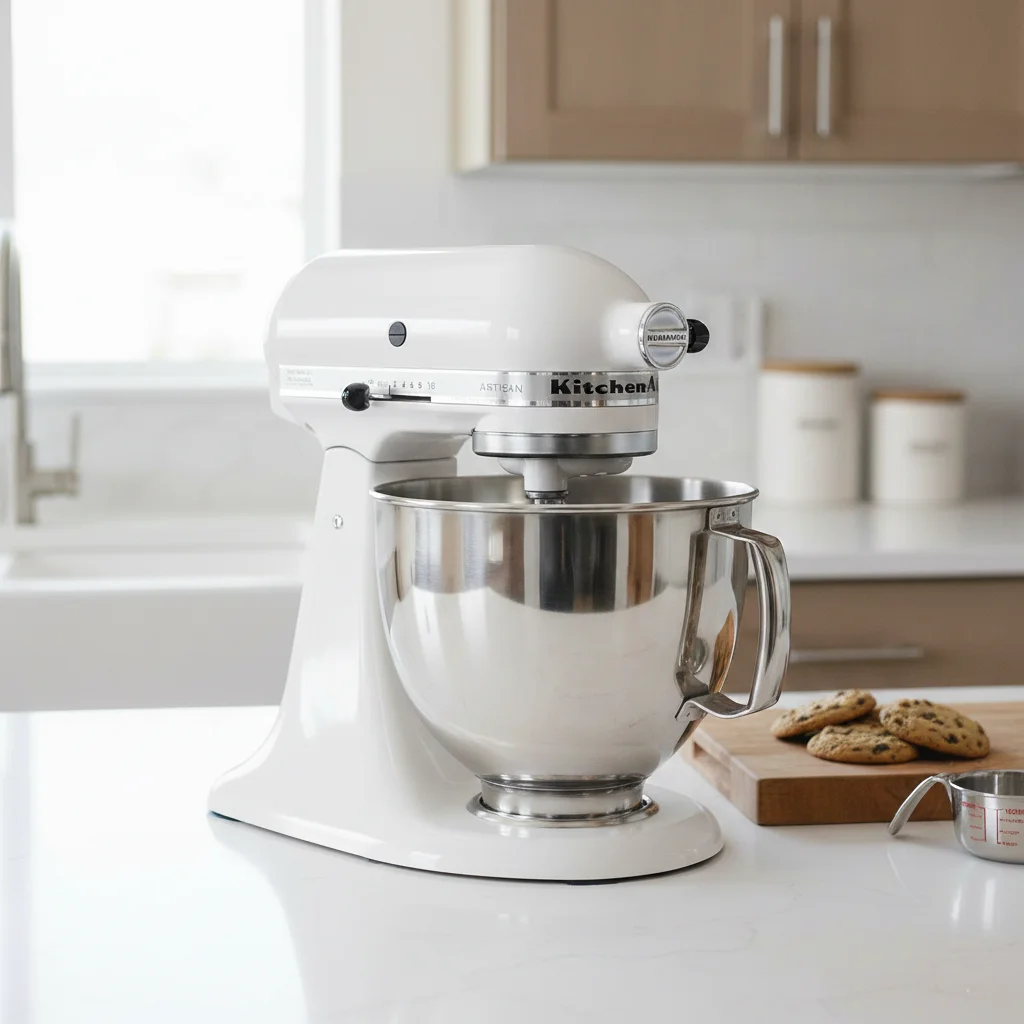
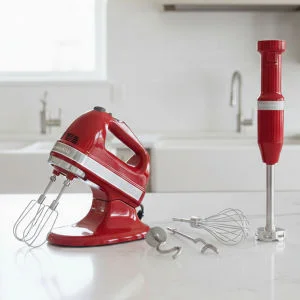
- Once all sugar is incorporated, increase speed to high. Whisk for 5 minutes until stiff, glossy peaks form.
- Stir in the lemon juice or vanilla. If the icing is too thick, add water 1 teaspoon at a time to reach desired consistency.
One leftover egg white isn’t waste; it’s the difference between a good drink and a world-class cocktail.
When working with raw eggs, safety and texture are common concerns. Here is how fresh whites compare to carton options for these specific recipes.
| Feature | Fresh Egg White | Carton Liquid Whites |
|---|---|---|
| Foam Stability | ✅ Excellent (stiff peaks) | ❌ Weak (often pasteurized) |
| Flavor Neutrality | ✅ Completely neutral | ✅ Neutral |
| Food Safety | ❌ Slight risk (raw) | ✅ Pasteurized (safe) |
| Convenience | ✅ Readily available | ✅ Easy to measure |
Decorator’s Dossier
- The Damp Cloth Trick: Royal icing begins to set the moment it touches air. Keep your bowl covered with a damp paper towel or plastic wrap pressed directly against the surface whenever you aren’t actively piping to prevent a crust from forming.
- The 10-Second Rule: To achieve a smooth, ‘flooded’ finish, thin your icing with drops of water until a drizzle melts back into the bowl’s surface in exactly 10 seconds. If it vanishes faster, it is too runny; if it sits on top, it needs more water.
- Grease is the Enemy: Since this recipe relies on egg white volume, even a speck of yolk or oil can prevent stiff peaks. Wipe your bowl and beaters with a little vinegar or lemon juice before starting to ensure success.
Ideas for 2 to 3 Egg Whites: Coconut Macaroons and Meringue Cookies
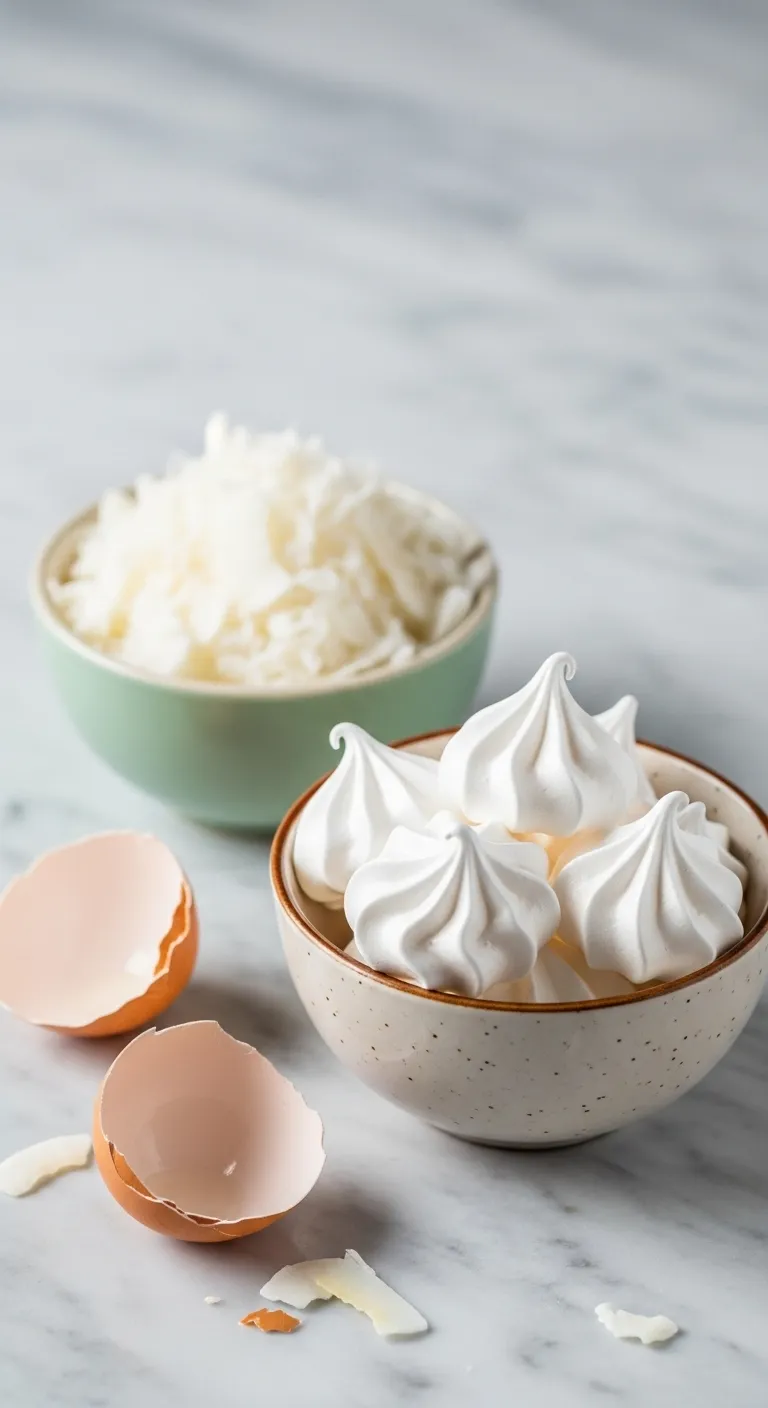
Having just two or three egg whites might seem insignificant. However, this small amount is actually liquid gold in the pastry kitchen.
You do not need a dozen eggs to create something spectacular. These whites are the foundation for some of the most elegant treats.
Below are two distinct directions you can take. One path leads to chewy, tropical bliss, while the other offers a crisp, airy delight.
Baker’s Secret
- Wipe your mixing bowl and whisk with a paper towel dipped in lemon juice or vinegar; even a trace of grease or yolk can prevent your whites from reaching stiff peaks.
- Let your egg whites sit at room temperature for 30 minutes before whipping to achieve significantly more volume and a lighter structure.
- Freeze leftover whites in an ice cube tray for later use; one standard cube tray slot typically holds exactly one egg white.
Chewy Coconut Macaroons
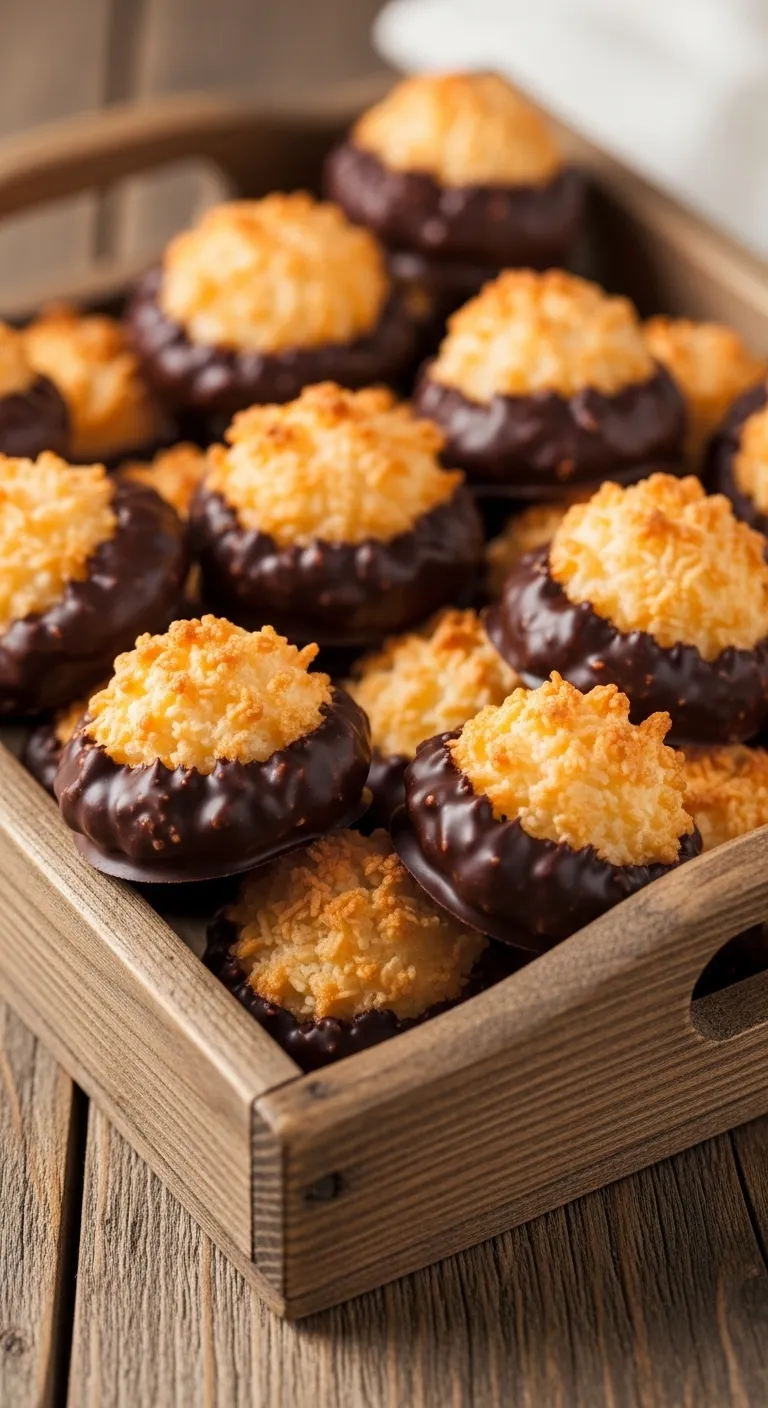
These are incredibly simple to whip up. They rely on the egg whites to bind the shredded coconut into sweet, dense mounds of flavor.
The texture is the star here. You get a crisp, golden exterior that gives way to a moist and chewy center that feels luxurious.
If you enjoy classic holiday baking, you might also like these 25 Sugar Cookie Recipes That Are Sweet Perfection.
Ingredients
- 2 large egg whites
- 1/4 cup granulated sugar
- 1/4 tsp salt
- 1 tsp vanilla extract
- 2 1/2 cups sweetened shredded coconut
Instructions
- Preheat your oven to 325°F (165°C). Line a baking sheet with parchment paper or a silicone mat.
- In a medium bowl, whisk the egg whites, sugar, salt, and vanilla until the mixture is frothy and combined.
- Fold in the shredded coconut until it is evenly coated by the egg white mixture.
- Use a spoon or cookie scoop to form mounds on the prepared baking sheet. Space them about an inch apart.
- Bake for 20 to 25 minutes. Look for golden-brown edges and tops.
- Cool completely on the baking sheet before serving. They firm up as they cool.
The magic of baking lies in transforming humble leftovers into luxurious treats.
Baker’s Secret
- Elevate these treats by dipping the cooled bottoms in melted dark chocolate or drizzling it over the tops for a classic, decadent finish.
- Use a mechanical cookie scoop for perfectly uniform rounds, and if the mixture is too sticky to handle, lightly wet your hands before shaping.
- Resist the urge to move them immediately; letting them cool completely on the baking sheet is crucial for the bottoms to set and the texture to firm up.
Classic French Meringue Cookies
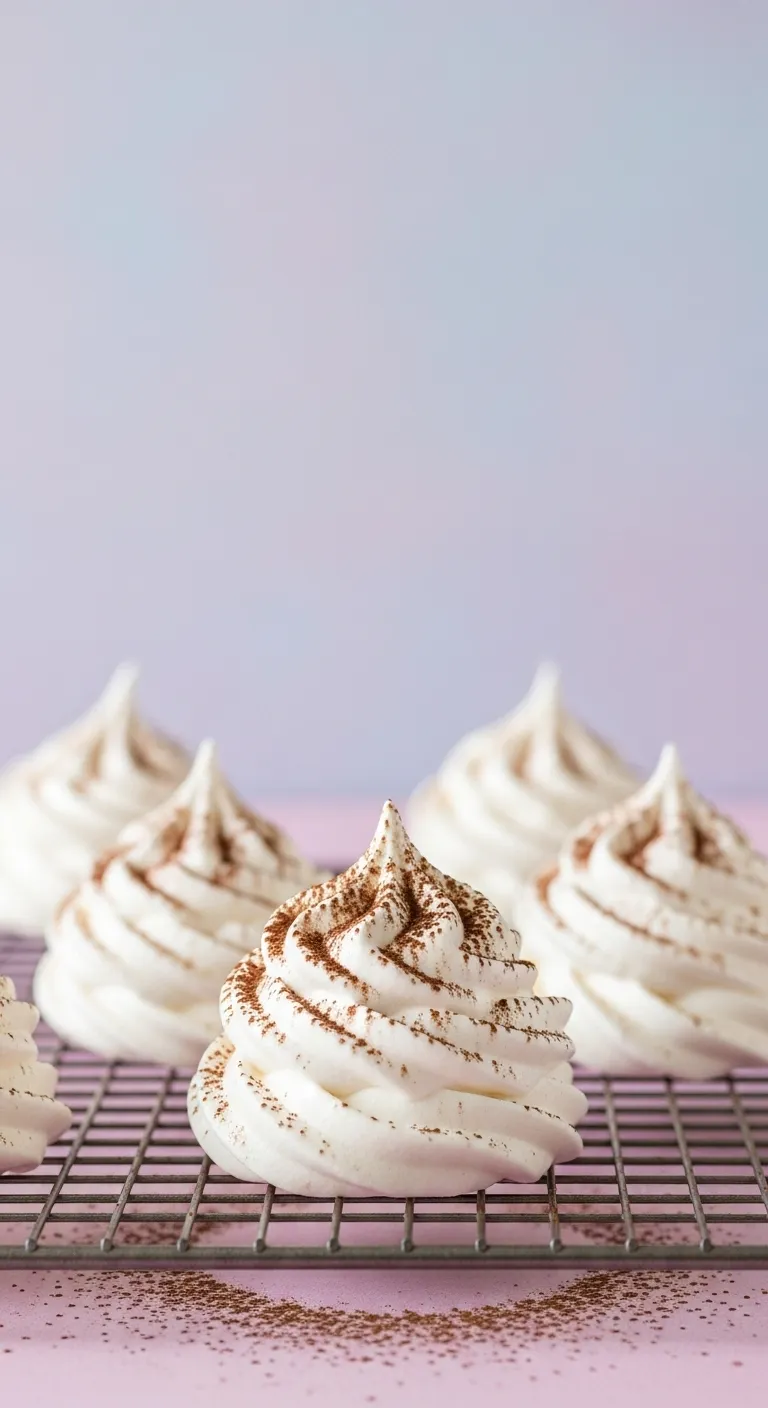
Meringue cookies are like eating sweet clouds. They are light, crisp, and dissolve instantly on your tongue.
The key is patience. Baking them low and slow removes moisture without burning the sugar, resulting in a stark white color.
Egg whites beat to a greater volume if allowed to stand at room temperature for about 30 minutes.
The American Egg Board, IncredibleEgg.org
These cookies are naturally fat-free. They satisfy a sweet tooth without feeling heavy after a meal.
Ingredients
- 3 large egg whites, room temperature
- 1/4 tsp cream of tartar
- 3/4 cup superfine sugar
- 1/2 tsp vanilla extract
Instructions
- Preheat oven to 200°F (95°C). Line a baking sheet with parchment paper.
- Beat egg whites and cream of tartar on medium speed until soft peaks form.
- Increase speed to high. Gradually add sugar, one tablespoon at a time, beating until stiff, glossy peaks form.
- Fold in the vanilla extract gently.
- Pipe or spoon the meringue onto the baking sheet.
- Bake for 1 hour to 90 minutes. They should be dry and easily lift off the paper.
- Turn off the oven and leave the door slightly ajar. Let cookies cool inside completely.
Achieving the perfect meringue requires attention to detail. Here is a quick checklist to ensure your success.
- Clean Equipment: Ensure your bowl and whisk are completely grease-free. Even a speck of yolk stops the volume.
- Weather Watch: Avoid making meringues on very humid days. The sugar absorbs moisture from the air.
- Patience: Do not open the oven door often. Let them dry out thoroughly for that perfect crisp snap.
- Sugar Type: Use superfine sugar if possible. It dissolves faster and prevents a gritty texture in the final cookie.
These treats pair wonderfully with a warm drink. Try serving them alongside one of these 15 Healthy Homemade Coffee Creamer Recipes.
Baker’s Secrets
- Wipe your mixing bowl and whisk with a paper towel dipped in white vinegar or lemon juice before starting; this eliminates hidden grease that can deflate your peaks.
- Separate your eggs while they are cold (when yolks are less likely to break), then let the whites sit covered on the counter for 30 minutes to reach room temperature for maximum volume.
- Test your meringue by rubbing a small amount between your thumb and finger; if it feels gritty, keep beating until the sugar is fully dissolved to prevent sticky ‘weeping’ later.
Uses for 4 or More Whites: Angel Food Cake and Berry Pavlovas
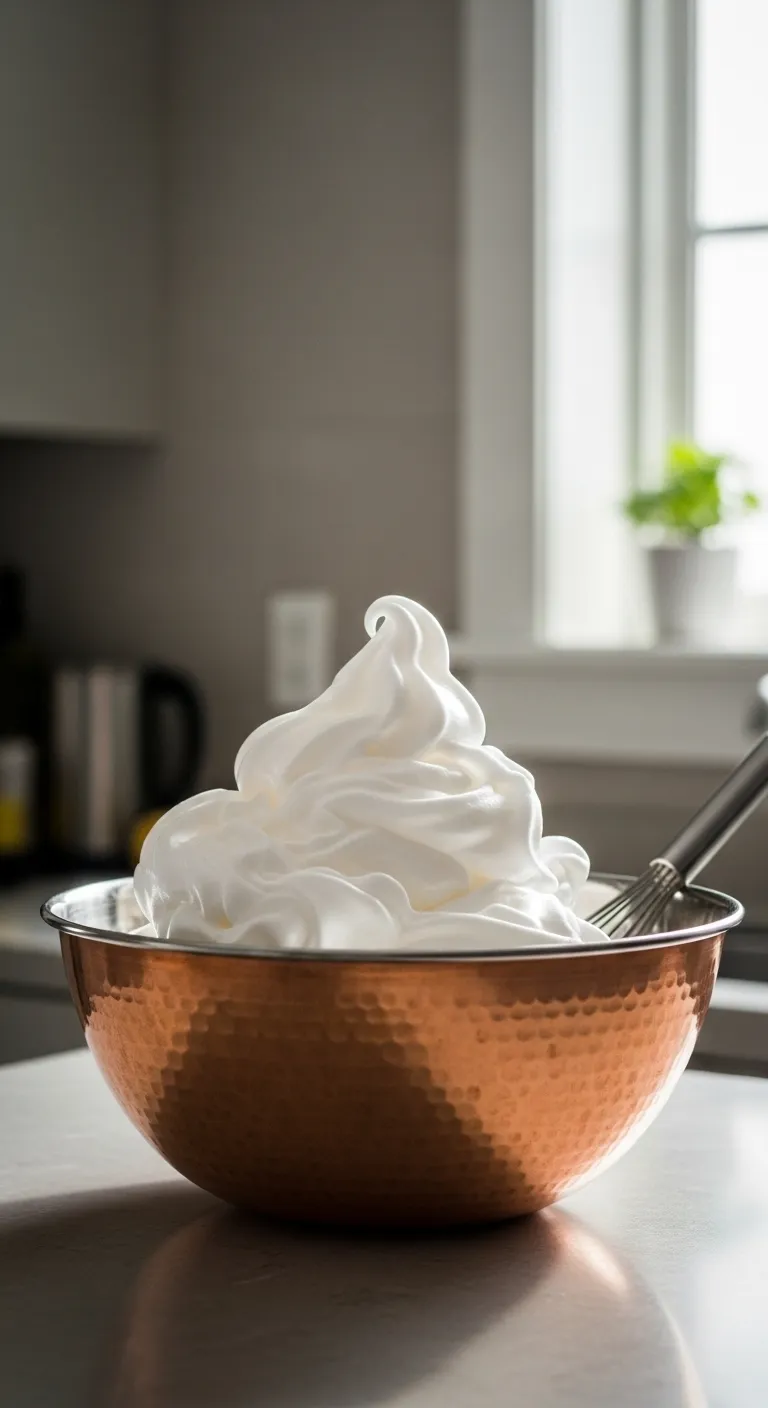
When you find yourself with a surplus of four or more whites, you have entered the territory of voluminous, airy desserts.
These recipes rely on the protein structure of the whites to create lift without chemical leavening agents like baking powder.
The result is a texture that is impossibly light and sophisticated. This is the perfect time to practice your whipping technique.
Egg whites are the clouds of the baking world; treat them gently, and they will lift your desserts to new heights.
Sky-High Secrets
- Room temperature rules: Let your egg whites sit out for 30 minutes before whipping to achieve maximum volume and loft.
- The grease-free guarantee: Wipe your bowl and beaters with a little vinegar or lemon juice before starting to ensure no hidden oils deflate your meringue.
- Stabilize for success: Add a pinch of cream of tartar once the whites get foamy to help build a strong, stable structure that won’t collapse.
Classic Angel Food Cake
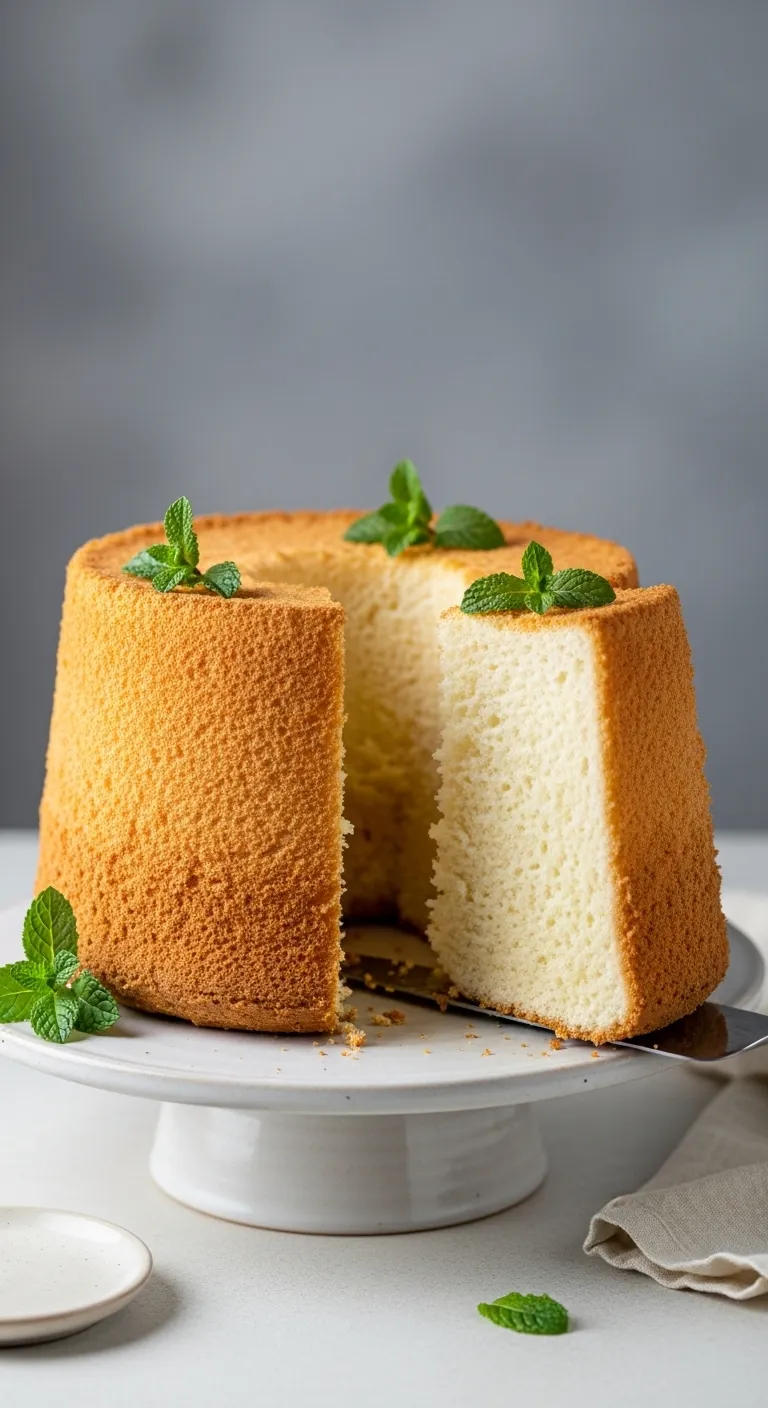
This cake is the gold standard for using a large quantity of leftover whites. It is naturally fat-free and has a unique sponge-like texture.
The flavor is delicate and sweet, making it the perfect vehicle for fresh fruit. It pairs beautifully with easy healthy spring dessert strawberry cake recipes.
Grease helps the cake slip out of the pan, but it also prevents the batter from clinging to the sides and rising. For the tallest cake, use a clean, ungreased pan.
PJ Hamel, King Arthur Baking
Ingredients
- 1 ½ cups egg whites (approx. 10-12 large eggs)
- 1 ¼ cups sifted cake flour
- 1 ½ cups granulated sugar (divided)
- 1 ½ tsp cream of tartar
- 1 ½ tsp vanilla extract
- ¼ tsp salt
Instructions
- Preheat your oven to 350°F (175°C). Ensure your 10-inch tube pan is completely clean and dry. Do not grease it.
- In a large bowl, beat the egg whites, cream of tartar, and salt on medium speed until they become foamy.
- Gradually add ¾ cup of sugar, one tablespoon at a time, while beating on high speed until soft peaks form.
- Fold in the vanilla extract gently. Sift the flour and the remaining ¾ cup sugar together three times.
- Gently fold the flour mixture into the whites, ¼ cup at a time, using a spatula. Do not overmix or deflate the batter.
- Pour batter into the tube pan. Run a knife through the batter to release air pockets. Bake for 40-45 minutes.
- Immediately invert the pan onto a bottle or cooling rack. Let it cool completely upside down before removing.
Baker’s Secrets
- Cold eggs separate easiest, but room temperature whites whip up to the greatest volume; separate them straight from the fridge, then let the whites sit for 30 minutes before whipping.
- Slice without the squish by using a serrated bread knife and a gentle sawing motion, which preserves the cake’s airy height better than a straight-edge blade.
- If you are out of cake flour, make a DIY substitute: measure 1 cup of all-purpose flour, remove 2 tablespoons, and replace them with 2 tablespoons of cornstarch, sifting well to combine.
Mini Berry Pavlovas
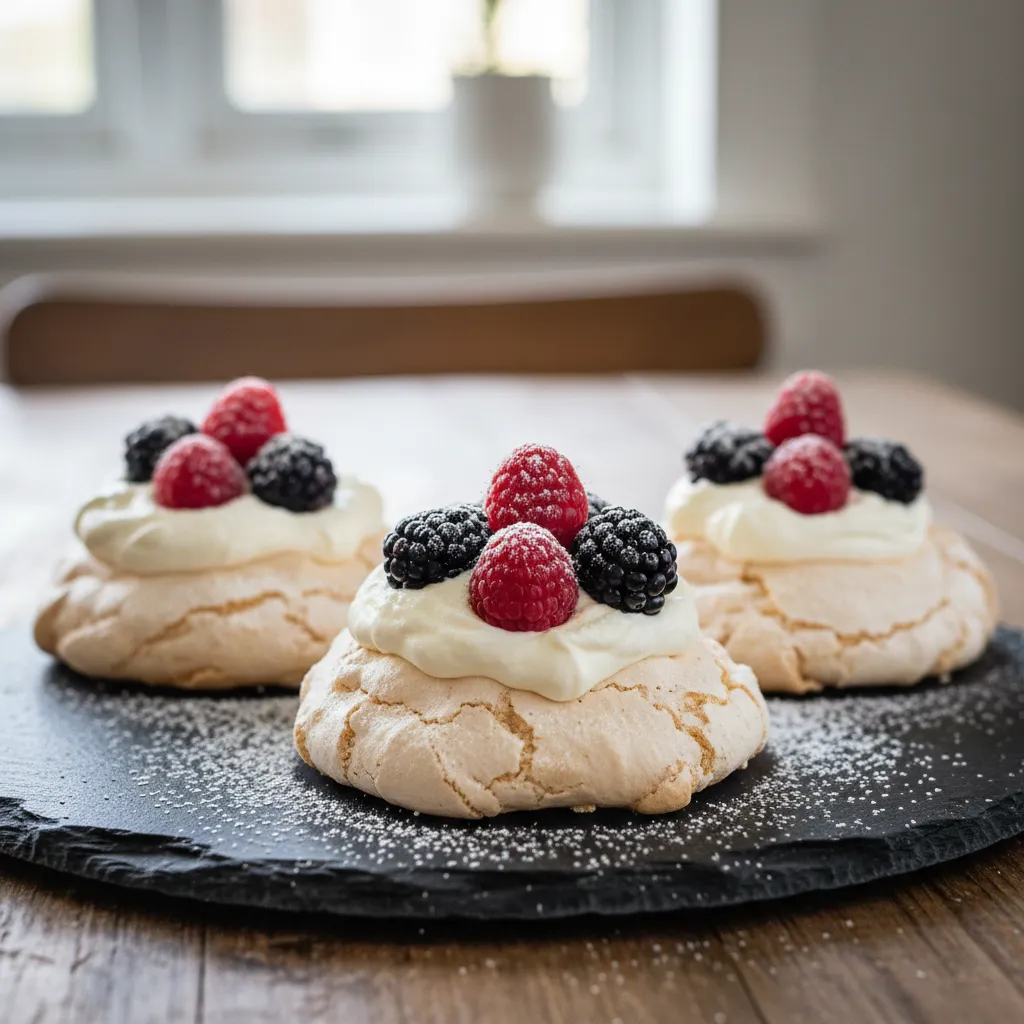
Pavlovas offer a delightful contrast of textures. They feature a crisp, fragile exterior shell that shatters to reveal a marshmallow-soft center.
These individual nests are elegant yet forgiving. They are one of the best sweet treats for your 500 days of summer gatherings.
Ingredients
- 4 large egg whites (room temperature)
- 1 cup superfine sugar
- 1 tsp white vinegar or lemon juice
- 1 tbsp cornstarch
- 1 tsp vanilla extract
- Topping: 1 cup heavy cream, fresh berries
Instructions
- Preheat oven to 250°F (120°C). Line a large baking sheet with parchment paper.
- Whip egg whites on medium speed until soft peaks form. Slowly add sugar, one tablespoon at a time, beating on high.
- Continue beating until the meringue is glossy and holds stiff peaks. Rub a bit between fingers; it should feel smooth, not gritty.
- Gently fold in the vinegar, cornstarch, and vanilla extract.
- Spoon 6-8 mounds onto the baking sheet. Use the back of a spoon to create a shallow well in the center of each.
- Bake for 60-75 minutes until dry to the touch but not brown. Turn off the oven and let them cool inside completely.
- Top with whipped cream and fresh fruit just before serving.
Creating the perfect meringue requires understanding the stages of egg white aeration. Use this guide to check your progress.
| Stage | Visual Cue | Best Application |
|---|---|---|
| Foamy | Resembles soap suds; large, uneven bubbles. | Adding cream of tartar or salt. |
| Soft Peak | peaks slump over when the whisk is lifted. | Soufflés, incorporating sugar. |
| Stiff Peak | Peaks stand straight up without drooping. | Meringues, macarons, angel food cake. |
| Overbeaten | Dry, chunky, or curdled appearance. | Start over (difficult to fix). |
Pavlova Perfection
- Avoid baking on rainy or humid days, as moisture in the air prevents the meringue shell from drying out and crisping properly.
- Wipe your mixing bowl with a paper towel dipped in lemon juice before whipping; even a microscopic trace of grease or yolk prevents volume.
- Resist the urge to open the oven door once baking finishes; letting them cool gradually inside the turned-off oven prevents the shells from cracking due to temperature shock.
Healthy Breakfast Options: High-Protein Egg White Omelets and Frittatas
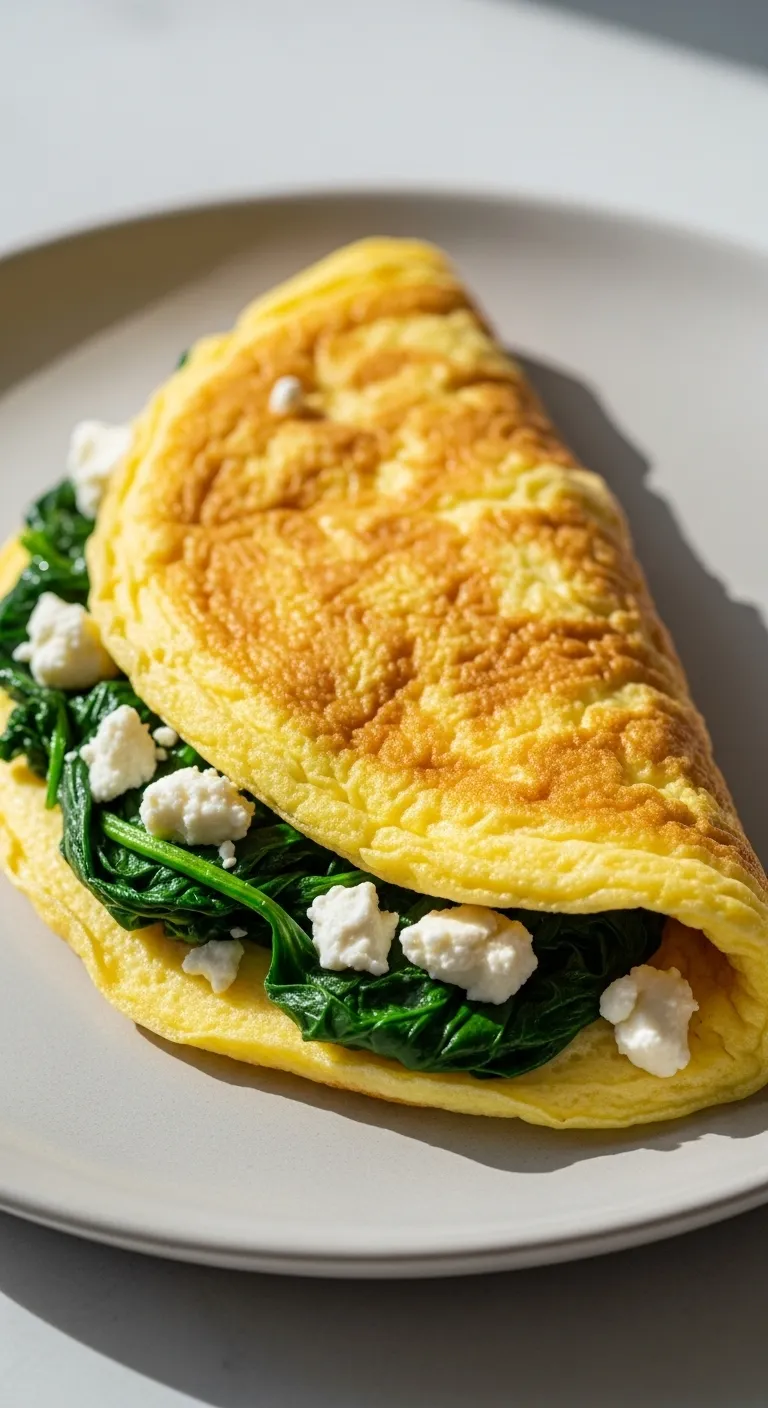
Start your morning with a clean slate by utilizing those leftover whites. They are the ultimate blank canvas for savory breakfast flavors.
Egg whites provide high-quality protein without the cholesterol found in yolks. This makes them a staple for anyone watching their saturated fat intake.
The texture is naturally lighter than whole eggs. This allows delicate herbs and vegetables to shine without being overpowered by rich yolk flavor.
To create a satisfying meal, pair your egg whites with fiber-rich vegetables. This combination keeps you full longer and stabilizes energy levels.
Transform leftovers into a powerhouse breakfast that fuels your body without weighing it down.
Morning Kitchen Hacks
- Add a splash of water or unsweetened almond milk when whisking your whites; the steam created during cooking makes them significantly fluffier.
- Miss the golden color of whole eggs? Whisk in a pinch of turmeric for a vibrant yellow hue and an extra anti-inflammatory boost.
- Pre-sauté high-water vegetables like spinach, mushrooms, or zucchini before adding the egg whites to prevent your omelet or frittata from becoming watery.
The “Garden Cloud” Omelet
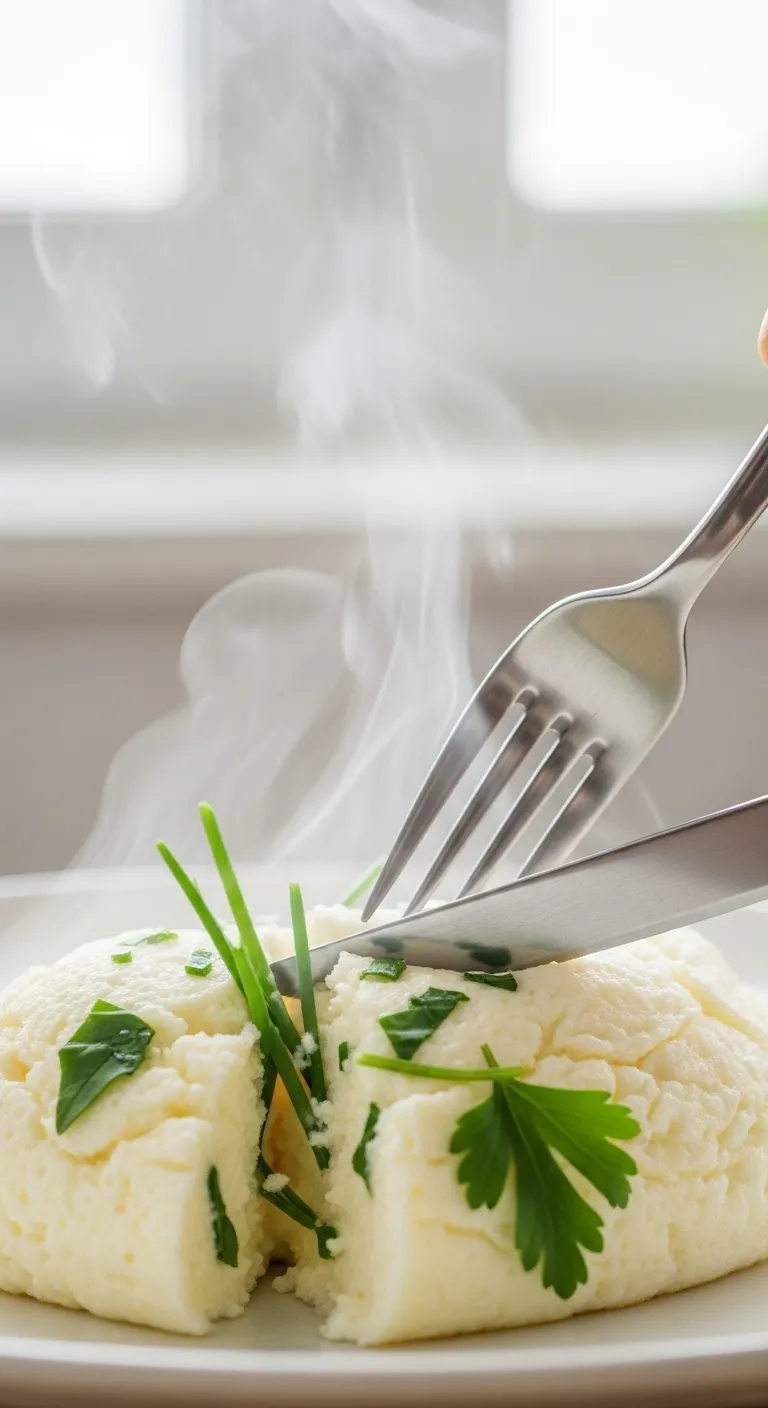
This recipe focuses on volume and texture. By whipping the whites slightly before cooking, you achieve a restaurant-quality fluffiness at home.
It pairs beautifully with fresh beverages. Consider serving this alongside one of these 20 Green Juices to Boost Energy This Summer.
Ingredients
- 3 large egg whites (approx. 1/2 cup)
- 1/2 cup fresh baby spinach, chopped
- 1 tbsp feta cheese, crumbled
- 1 tsp olive oil or cooking spray
- 1 pinch salt and cracked black pepper
- 1 tbsp fresh chives, minced
Instructions
- Whisk the egg whites in a small bowl until they become frothy and opaque. Season with a pinch of salt and pepper.
- Heat the olive oil in a non-stick skillet over medium-low heat. Add the spinach and sauté for 1 minute until wilted.
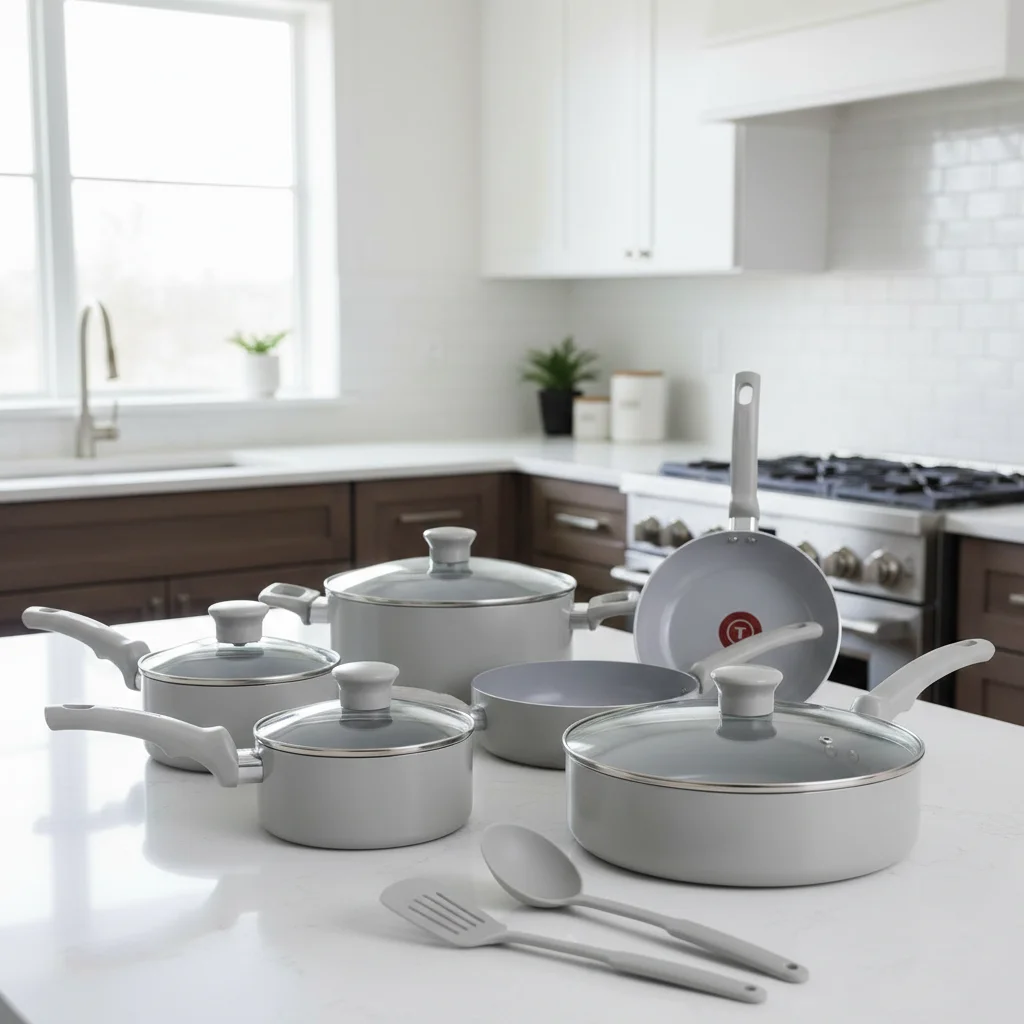
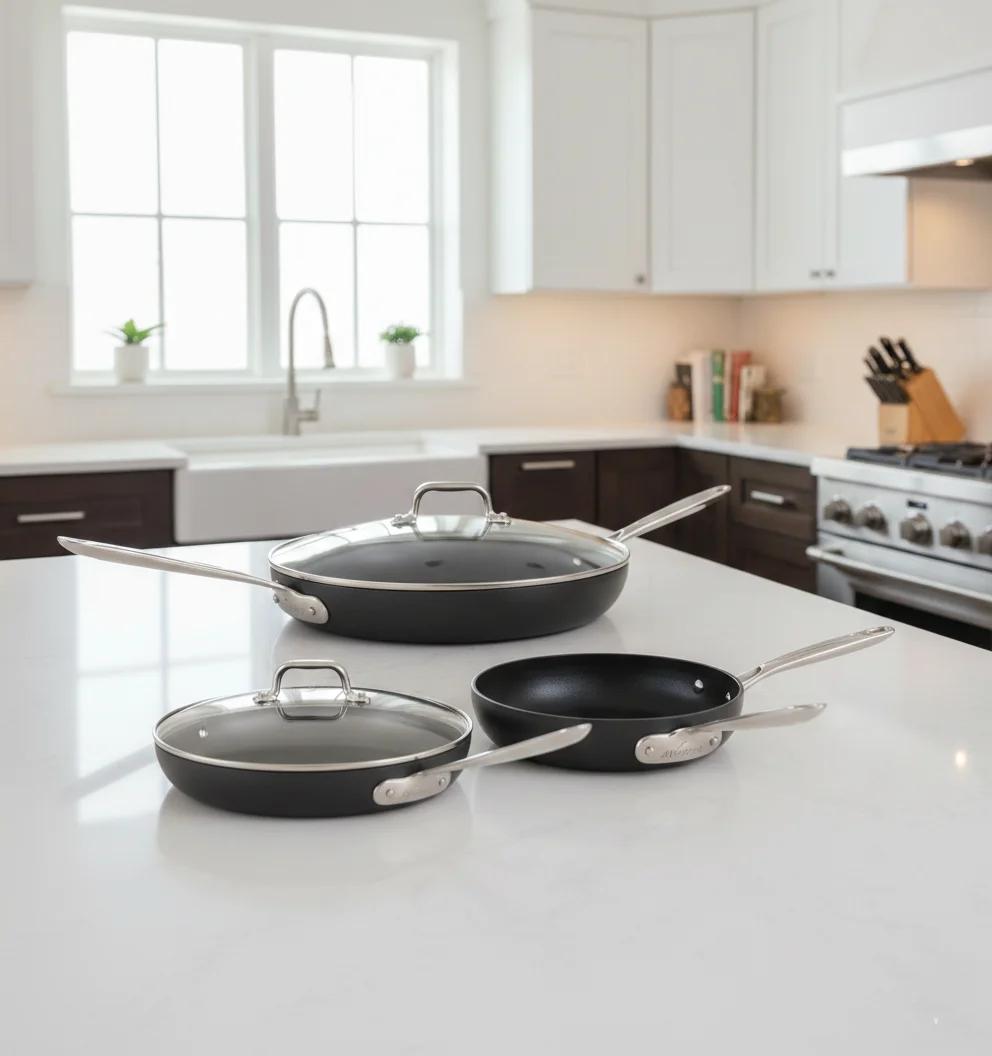
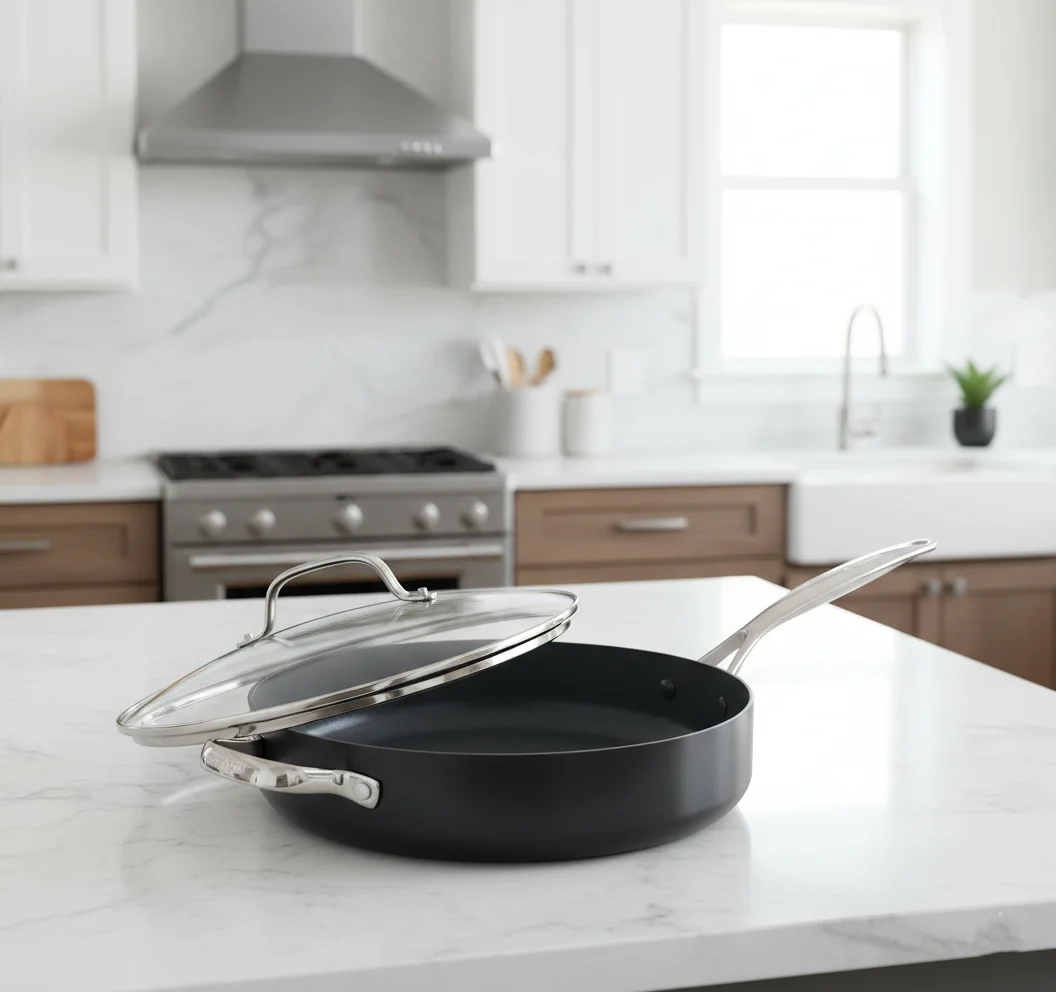
- Pour the whisked whites over the spinach. Tilt the pan gently to ensure the whites cover the bottom evenly.
- Cover the pan with a lid and cook for 2 to 3 minutes. The whites should be set and opaque, not runny.
- Sprinkle the crumbled feta and chives over one half of the omelet. Carefully fold the other half over the filling using a spatula.
- Slide onto a warm plate immediately. Garnish with extra chives if desired.
Egg whites don’t have the fat that yolks do, which means they’re more prone to sticking to the pan… Use a nonstick skillet and a little bit of fat (butter or oil) to ensure easy release.
The Editors, Bon Appétit
The Fluff Factor
- Room temp for volume: Separate your eggs while cold, but let the whites sit for 20–30 minutes before whisking. Room temperature whites trap air more efficiently, resulting in a significantly taller, cloud-like texture.
- Don’t toss the gold: Store the leftover yolks in a small container topped with a splash of water (to prevent a skin from forming) and use them later for homemade mayonnaise, lemon curd, or to enrich a pasta sauce.
- Stabilize the foam: If your omelet deflates too quickly, try adding a tiny pinch of cream of tartar or a drop of lemon juice to the whites before beating to help maintain that structural integrity.
Meal-Prep Mini Frittatas
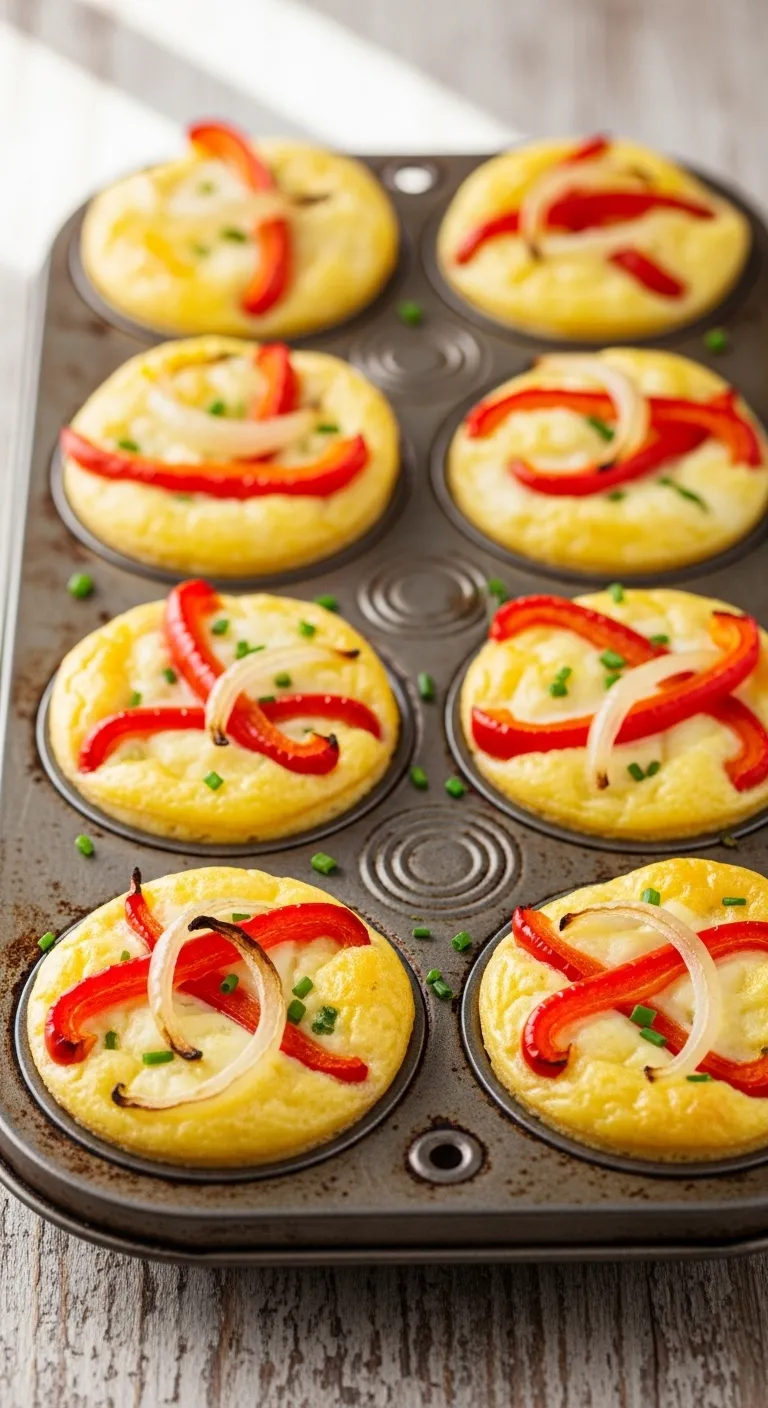
If you have a large quantity of leftover whites, batch-cooking frittatas is efficient. These store well in the fridge for quick grab-and-go mornings.
These are customizable with whatever produce you have on hand. They are excellent for those following the guidelines in our 25 Low-Calorie Dinners That Are Delicious and Filling guide.
Ingredients
- 2 cups liquid egg whites (approx. 10-12 eggs)
- 1/2 cup bell peppers, diced finely
- 1/4 cup red onion, minced
- 1/4 cup cherry tomatoes, quartered
- 1/2 tsp garlic powder
- 1/4 cup shredded mozzarella (optional)
Instructions
- Preheat your oven to 350°F (175°C). Grease a standard 12-cup muffin tin generously with cooking spray.
- Distribute the chopped peppers, onions, and tomatoes evenly into the muffin cups.
- In a large measuring cup, whisk the egg whites with garlic powder, salt, and pepper.
- Pour the egg white mixture into the cups, filling each about 3/4 of the way full. Do not overfill as they will rise.
- Top each cup with a sprinkle of mozzarella cheese.
- Bake for 20 to 25 minutes. The centers should feel firm to the touch and the edges should be lightly golden.
- Let them cool in the pan for 5 minutes before removing. Run a butter knife around the edges to help release them.
Prep Like a Pro
- Use silicone muffin liners or a silicone baking pan. Egg whites are notorious for sticking to metal tins, and silicone ensures they pop out effortlessly without heavy scrubbing.
- Prevent watery frittatas by quickly sautéing high-moisture vegetables like mushrooms, spinach, or zucchini before adding them to the cups.
- Freeze a batch for up to two months. To reheat, wrap a frozen frittata in a damp paper towel and microwave for 45–60 seconds to keep it moist and fluffy.
Nutritional Comparison
Understanding the difference between using whole eggs and just the whites can help you tailor your nutrition to your specific goals.
| Component | Whole Large Egg | Egg White Only |
|---|---|---|
| Calories | ~70 kcal | ~17 kcal |
| Protein | 6 grams | 3.6 grams |
| Fat | 5 grams | 0 grams |
| Cholesterol | 186 mg | 0 mg |
| Best For | Richness, Baking | Volume, Lean Protein |
Egg whites are essential for creating high-volume meals with low caloric density. You can eat a larger portion while keeping calories in check.
Macro Mastery
- Try the ‘Golden Ratio’ strategy: mix one whole egg with three egg whites. You get the rich flavor and essential vitamins from the yolk, but double the protein and volume for a fraction of the calories.
- Whisk liquid egg whites into your morning oatmeal while it cooks on the stove. This ‘proats’ hack creates a fluffy, creamy texture and boosts protein count without altering the flavor.
- For the ultimate high-volume omelet, whip your egg whites until soft peaks form before folding them into the pan. This incorporates air, making the meal look and feel twice as substantial.
How to Freeze and Thaw Leftover Egg Whites for Later Use
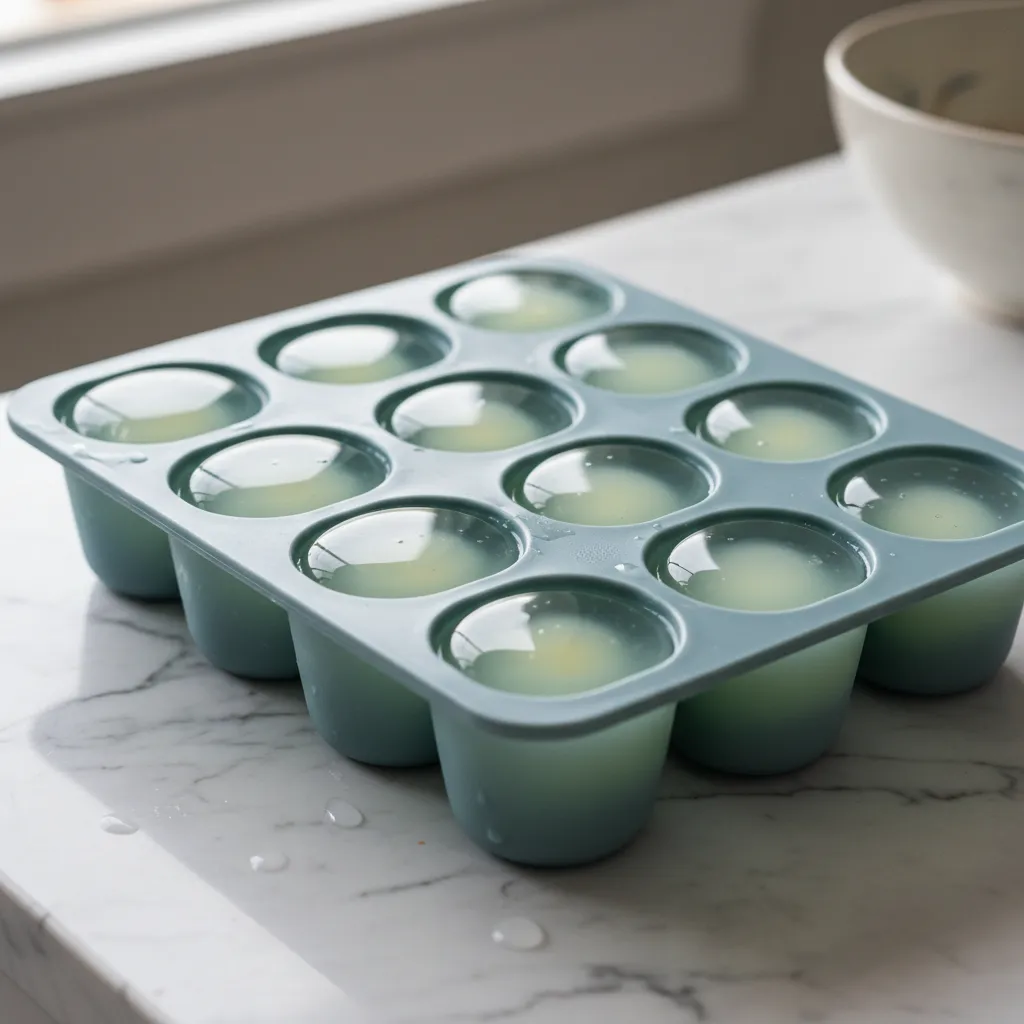
Don’t pour that liquid gold down the drain. Freezing egg whites is one of the easiest kitchen preservation hacks you can master.
It saves money and reduces waste instantly. Plus, frozen whites thaw beautifully and whip up just as well as fresh ones for your next meringue.
Just like when you discover what to do with leftover tomato paste, the freezer is your best friend here. It pauses the clock on freshness.
The freezer is not just storage; it is a pause button for culinary potential. Don’t waste the whites!
Zero-Waste Kitchen Hack
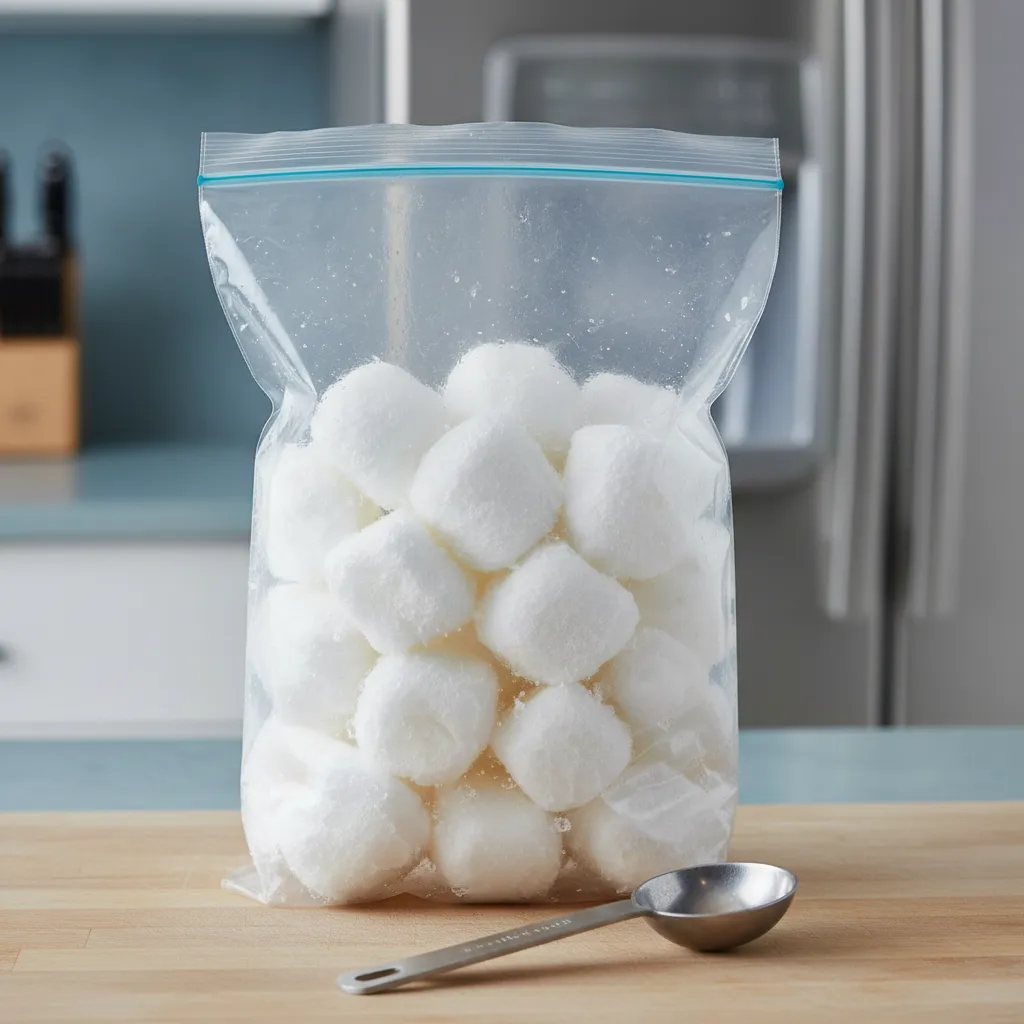
- Pour individual egg whites into an ice cube tray to freeze them separately. Once solid, transfer the cubes to a freezer bag so you can easily grab exactly the number you need (1 cube ≈ 1 egg white).
- Always label your container with the quantity and date; if measuring later, remember that 2 tablespoons of liquid equals roughly one large egg white.
- For the fluffiest results, thaw frozen whites in the fridge overnight and let them sit at room temperature for 30 minutes before whipping.
The Ice Cube Tray Method
This technique is perfect for portion control. It allows you to thaw exactly what you need for a recipe without defrosting a massive block.
Standard ice cube trays hold roughly two tablespoons of liquid per slot. This volume happens to be the approximate equivalent of one large egg white.
- Ensure your ice cube tray is impeccably clean and dry before starting.
- Pour one egg white into each individual cavity of the tray.
- Freeze the tray flat for at least 4 hours until the whites are solid.
- Pop the cubes out and transfer them to a freezer-safe silicone bag.
- Label the bag clearly with the date and the quantity of whites per cube.
Kitchen Hack
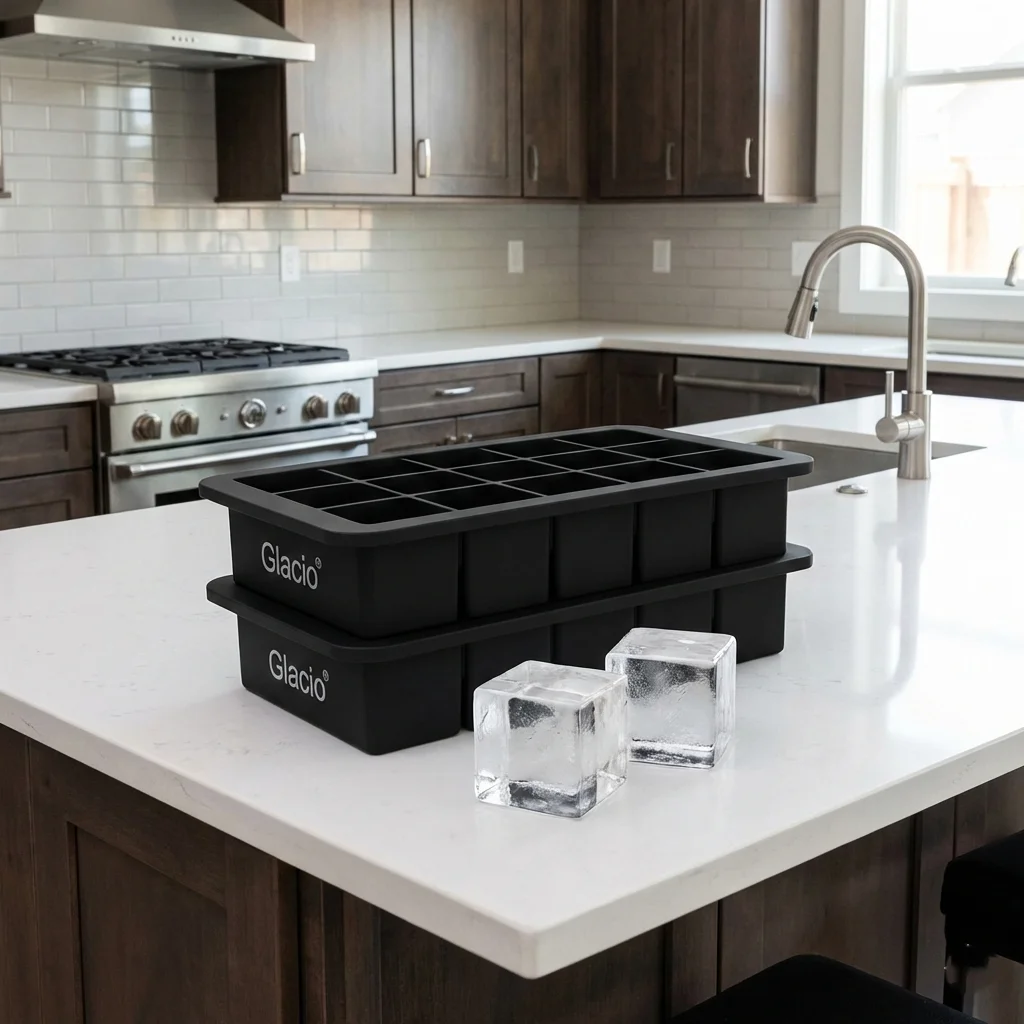
- Opt for a silicone ice cube tray instead of rigid plastic; the flexibility makes it significantly easier to pop out the frozen whites without them getting stuck.
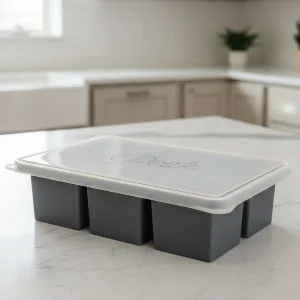
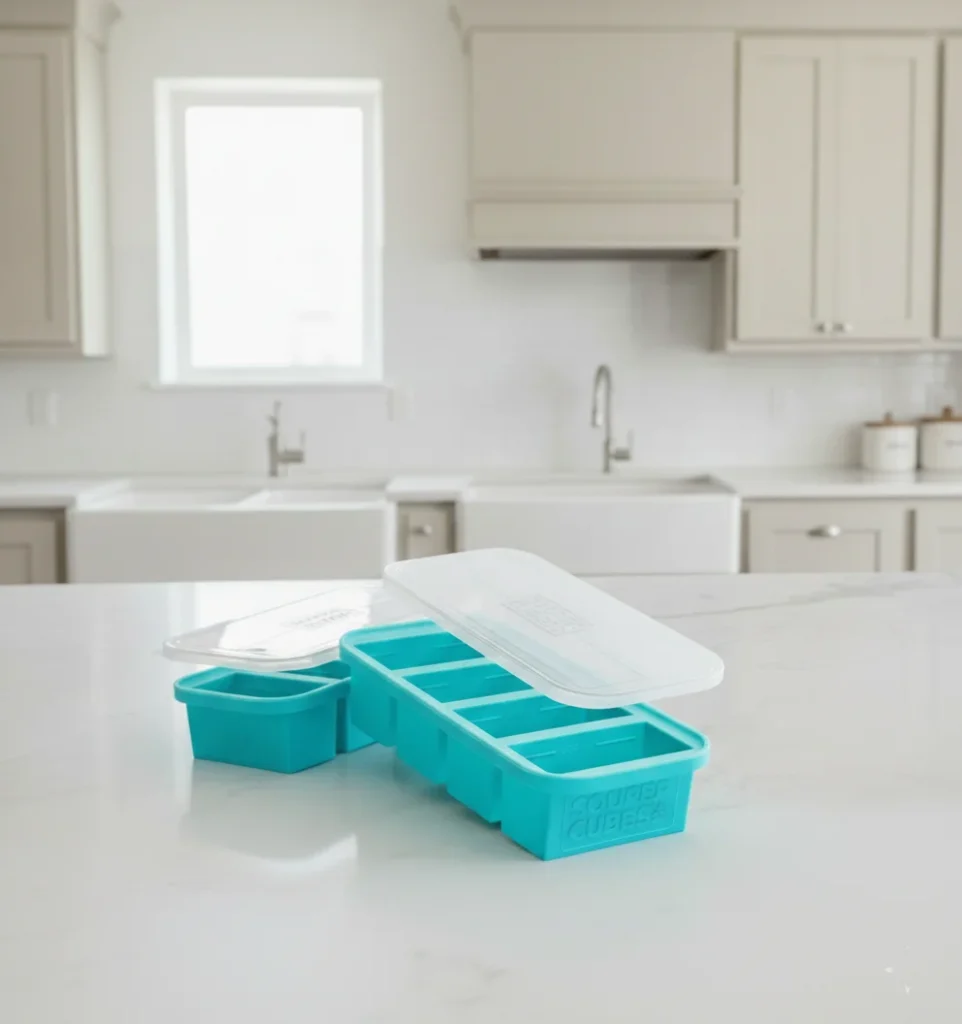


- Prevent freezer burn and odd flavors by double-bagging your frozen cubes or placing the sealed bag inside a rigid, airtight container.
- If you are freezing large batches, write the expiration date (12 months from freezing) on the bag so you know exactly when to toss them.
Bulk Freezing and Labeling
If you have a large batch from a custard or curd project, bulk freezing is efficient. You just need the right container to prevent freezer burn.
Use airtight containers that leave a small amount of headspace. Liquids expand as they freeze, so giving them room prevents cracked lids.
Always label your container. Write the number of whites inside. This math is crucial when you grab them months later for baking.
Raw egg whites… can be frozen for 12 months. Label the package with the date, and use the oldest first.
USDA Food Safety, Cold Food Storage Charts
Freezer Vault Secrets
- Leave at least a half-inch of headspace in your container before sealing; egg whites expand significantly as they freeze, and this prevents cracked glass or popped lids.
- Be specific with your labels by writing the exact count (e.g., ‘6 Whites’) alongside the date, so you don’t have to thaw and weigh them to check if you have enough for a specific recipe.
- Practice the ‘First In, First Out’ method by placing newer containers behind older ones to ensure you use your stash within the optimal 12-month window.
How to Thaw Safely

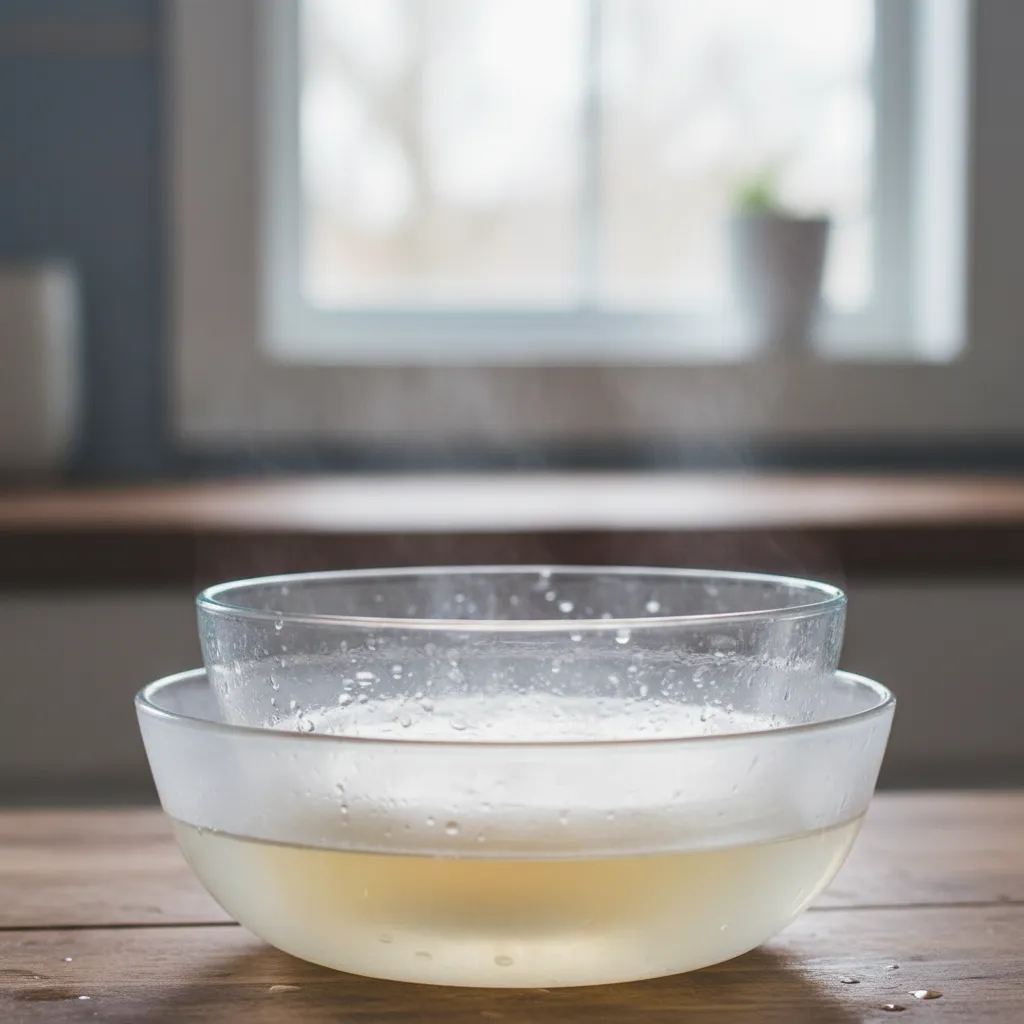
Patience yields the best texture. The ideal method is transferring your frozen whites to the refrigerator the night before you need them.
If you are in a rush, place the sealed bag or container in a bowl of cold running water. Never use hot water, as it can cook the eggs prematurely.
Once thawed, let them sit at room temperature for 30 minutes. Room-temp whites whip up with more volume, perfect for fluffy pancake recipes.
Kitchen Secrets
- Plan ahead for perfection: Moving frozen whites to the fridge the night before yields the smoothest texture.
- In a rush? Submerge the sealed bag in a bowl of cold water; never hot, or you risk scrambling the eggs inside the package!
- For maximum fluffiness in pancakes or meringues, always let thawed whites sit on the counter for 30 minutes to reach room temperature before whipping.
Egg White Measurement Guide
When using bulk frozen whites, it is hard to know how much to pour. Use this simple chart to measure out the exact amount for your recipes.
| Desired Quantity | Volume Needed | Standard Metric |
|---|---|---|
| 1 Large Egg White | 2 Tablespoons | 30 ml |
| 2 Large Egg Whites | 1/4 Cup | 60 ml |
| 4 Large Egg Whites | 1/2 Cup | 120 ml |
| 8-10 Large Egg Whites | 1 Cup | 240 ml |
Shell-Free Secrets
- Thaw frozen egg whites in the refrigerator overnight rather than the microwave to prevent them from accidentally cooking or becoming rubbery before use.
- Pasteurized carton egg whites can be harder to whip than fresh ones; add a pinch of cream of tartar or a drop of lemon juice to help stabilize the foam for meringues.
- For maximum volume, let your measured liquid egg whites sit at room temperature for about 30 minutes before whipping.
No White Left Behind
Don’t let those lonely egg whites go down the drain. From silky cocktails to crisp meringues, they are culinary powerhouses waiting to shine.
Whether you have one white or a bowlful, there is a recipe to match. Use them to add fluffiness to omelets or glaze your favorite pastries.
Cooking is about using every ingredient to its fullest potential. Embrace these leftovers and turn what would be waste into your next delicious masterpiece.
Chef’s Notes & Queries
Fresh egg whites keep well in an airtight container for up to two days. If you cannot use them by then, pop them in the freezer for later use.
Absolutely! Freeze them individually in an ice cube tray, then transfer to a bag. Thaw them in the fridge overnight before you start baking.
Grease is the enemy of foam. Ensure your bowl and beaters are spotlessly clean. Even a tiny speck of yolk or oil can prevent proper peaks.
Using pasteurized eggs significantly reduces risk. While alcohol and citrus help sanitize, pasteurized whites are the safest bet for raw applications.