
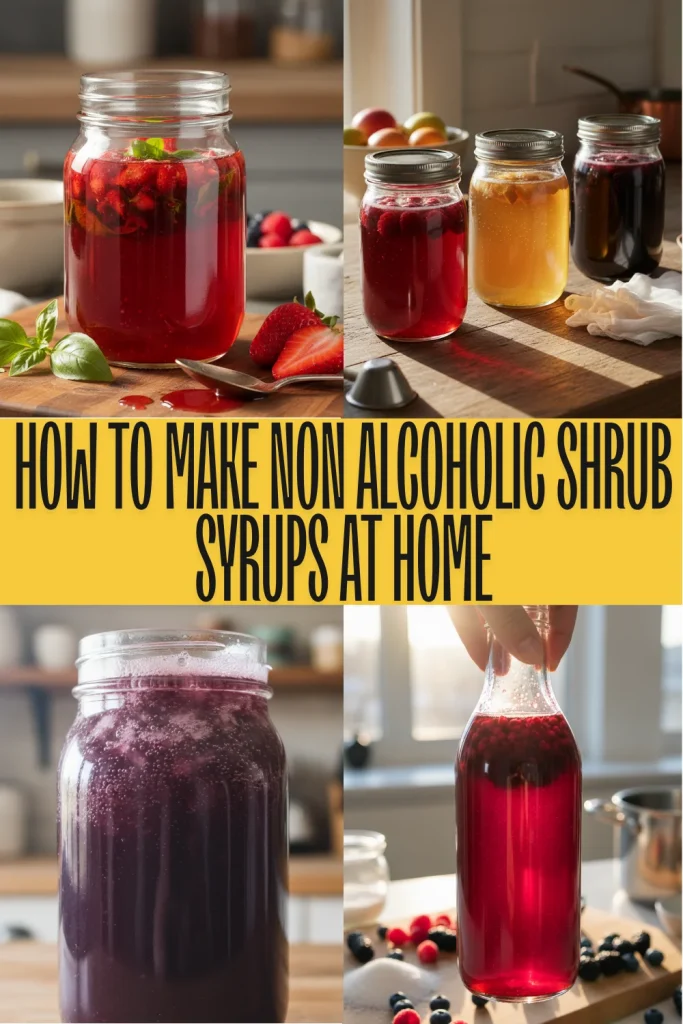

Table of Contents
- 1. Master the Universal 1:1:1 Shrub Formula (Fruit, Sugar, Vinegar)
- 2. Choose Your Extraction Method: Cold Maceration vs. Hot Process
- 3. Match Specific Vinegars to Creative Fruit and Herb Pairings
- 4. Implement Essential Food Safety and Shelf-Life Practices
- 5. Troubleshoot Sharp Acidity, Cloudiness, and Unintended Fermentation
- Pour Your Culinary Masterpiece
- Curiosities from the Kitchen Counter
Imagine a drink that balances vibrant fruit sweetness with a sophisticated, tangy edge.
Shrub syrups, often called drinking vinegars, are a centuries-old tradition that brings a complex brightness to any glass.
They are the perfect way to preserve the seasons while offering a refreshing alternative to sugary sodas or alcoholic cocktails.
Creating these syrups at home is surprisingly simple, yet it yields professional results that will impress every guest.
All you need is fresh fruit, high-quality vinegar, and a touch of sugar to begin your culinary journey.
By mastering this cold-process technique, you ensure that the delicate aromas of your produce remain intact and vibrant.
These tonics are more than just mixers; they are a celebration of pure ingredients and healthy hydration for your whole family.
Whether you are a busy parent or an aspiring chef, these recipes provide a versatile foundation for endless creativity in the kitchen.
Let us gather our jars and start crafting a pantry staple that turns every meal into a special occasion.
1. Master the Universal 1:1:1 Shrub Formula (Fruit, Sugar, Vinegar)

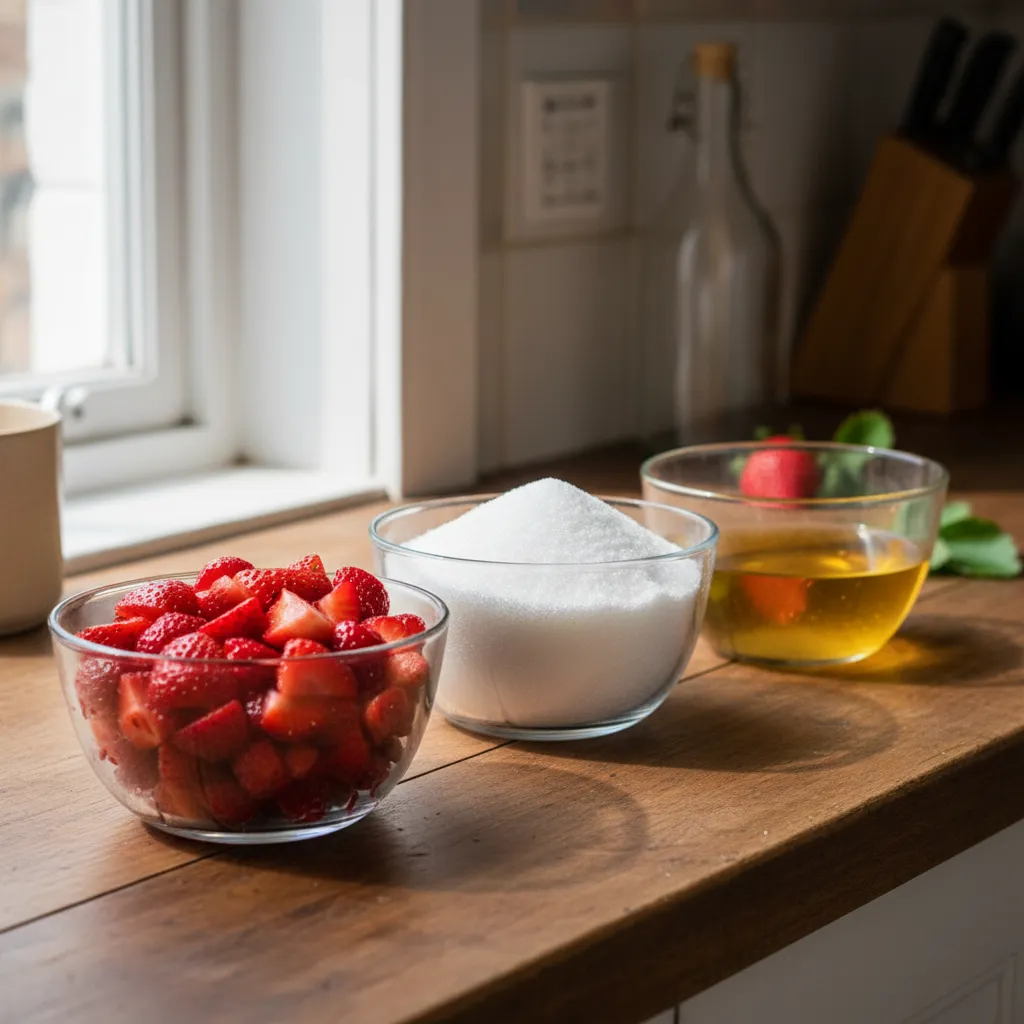
The secret to a perfect palate-cleansing beverage starts with a foolproof formula. The universal ratio of equal parts fruit, sugar, and vinegar is your compass.
This golden ratio ensures a beautiful harmony between sweet and sour. It is the foundational technique for modern mixology and artisanal home crafting.
Always start with high-quality produce. If you know how to store fresh berries properly, you will always have the perfect base ready.
| Beverage Component | 1:1:1 Homemade Shrub | Store-Bought Drink Syrups |
|---|---|---|
| Vibrant, Real Fruit Flavor | ✅ | ❌ |
| Balanced Zesty Acidity | ✅ | ❌ |
| Fully Customizable Base | ✅ | ❌ |
Once you master this balance, you can easily upgrade your favorite non alcoholic mocktail recipes. The flavor possibilities are truly endless.
The 1:1:1 ratio is the golden rule of shrubs: equal parts vibrant fruit, sweet sugar, and tangy vinegar.
The sugar balances the tartness of the vinegar, while the vinegar preserves the fruit flavors, making for a sweet-tart syrup that brings a drink to life.
Michael Dietsch, Serious Eats
Creating this wholesome infusion at home requires minimal equipment. A simple cold-maceration method yields the most brilliant and fresh tasting results.
Ingredients
- 1 cup fresh organic strawberries, hulled and quartered
- 1 cup organic cane sugar
- 1 cup raw apple cider vinegar
Instructions
- Start by muddling your chosen fruit and sugar together in a clean glass jar. This process will extract the natural juices and essential oils.
- Cover the jar tightly and let it sit at room temperature for up to two days. This allows the sugar to pull out the maximum amount of flavor.
- Strain the syrupy fruit mixture through a fine mesh sieve into a clean bowl. Press gently to release all the concentrated, sweet juices.
- Whisk the vinegar into your freshly strained fruit syrup until completely combined. Pour the finished shrub into a sterilized glass bottle.
Keep your newly crafted artisanal syrup in the refrigerator. The flavors will gently meld and mellow over the next few days for a superior taste.
Pro Mixology Hacks
- Use overripe fruit: Don’t toss those slightly soft berries! Overripe fruit contains more natural sugars and yields more juice, making it absolutely perfect for cold-maceration shrubs.
- Pair your vinegars carefully: While apple cider vinegar is a great universal choice, try white balsamic for strawberries or champagne vinegar for delicate stone fruits to elevate the flavor profile.
- Zero-waste bonus: Never throw away the strained fruit solids! That sweet, tangy fruit mash is incredible spooned over vanilla bean ice cream or stirred into your morning oatmeal.
2. Choose Your Extraction Method: Cold Maceration vs. Hot Process

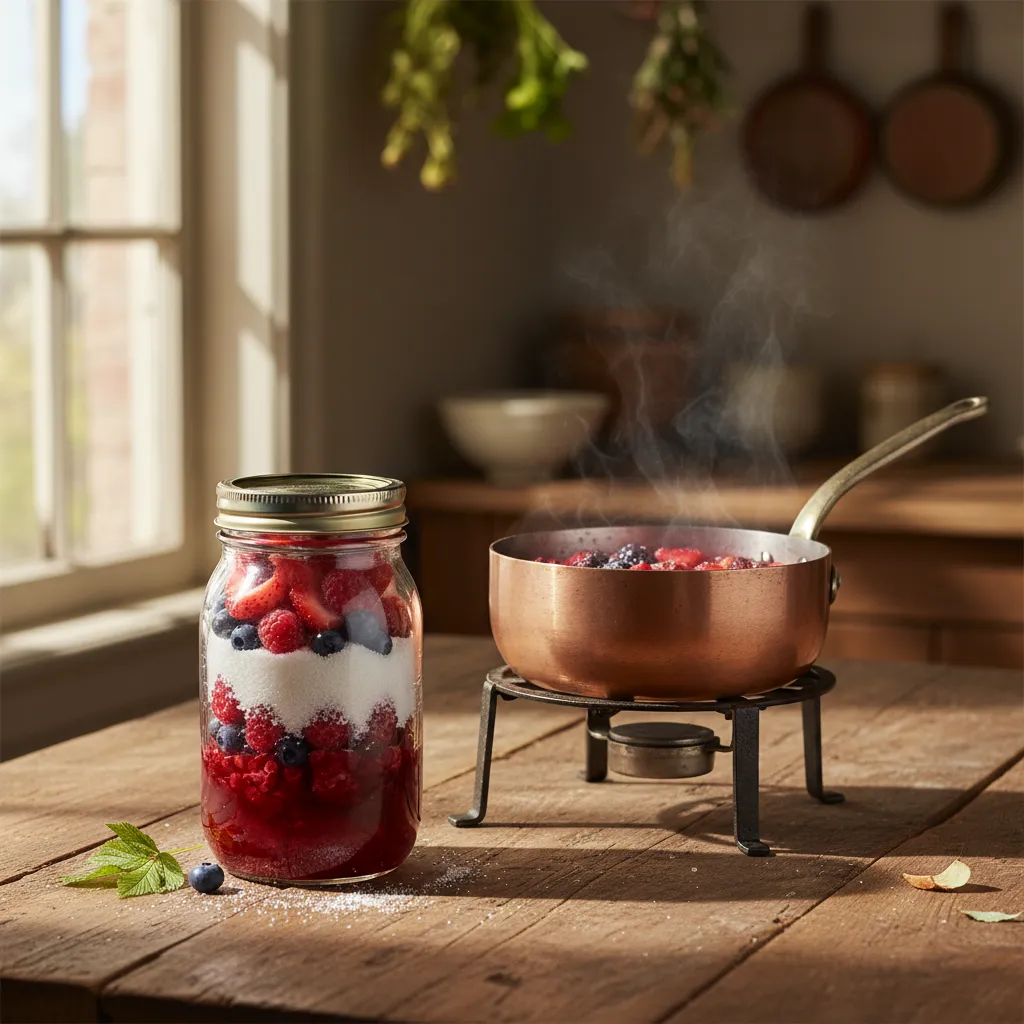
Creating artisanal shrub syrups comes down to two main techniques. You can choose either cold maceration or the hot process method.
Each approach creates a completely different palate experience. The method you select dictates the final infusion and aroma of your drink.
Cold extraction preserves the delicate, vibrant essence of fresh fruit, while heat brings out a rich, jammy depth.
Cold shrubs maintain the bright, fresh flavors of the fruit, whereas the hot process creates a more jam-like, cooked flavor.
Colleen Graham, The Spruce Eats
The Cold Maceration Method

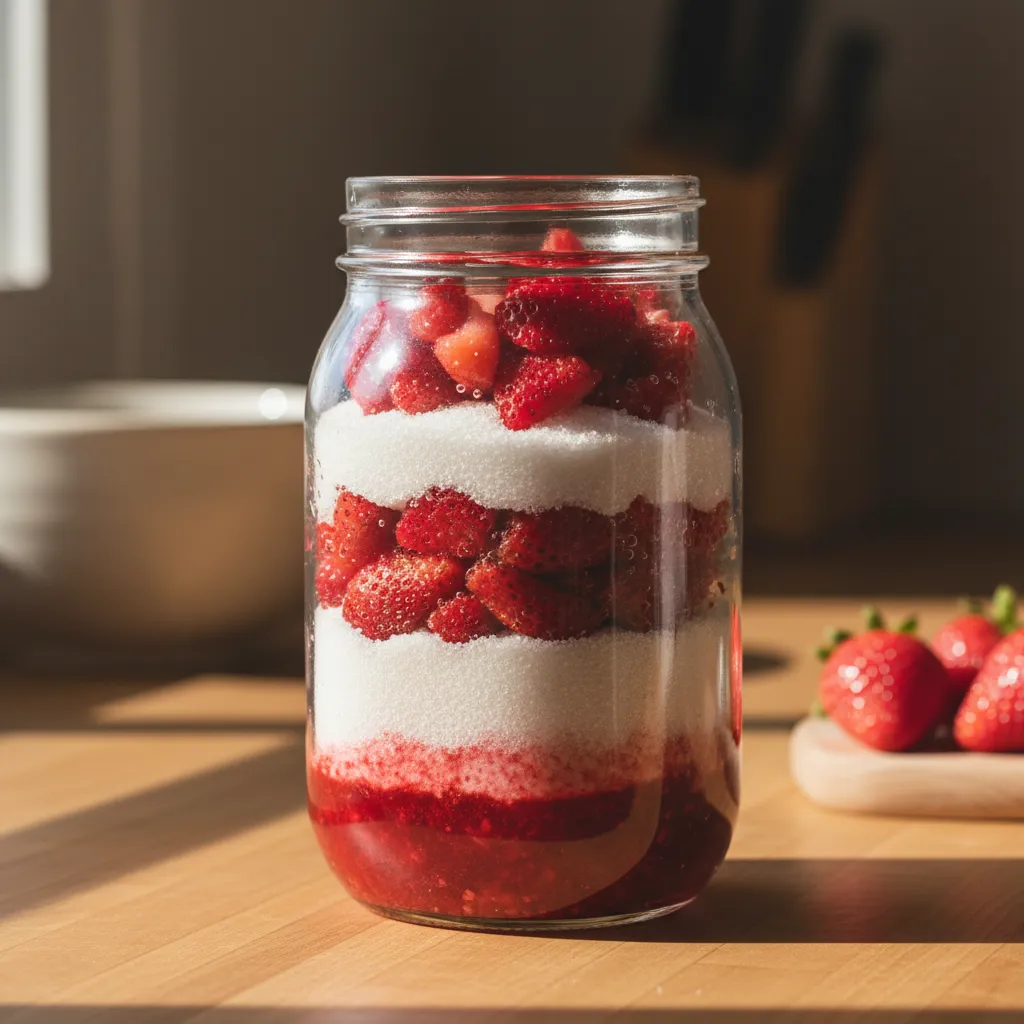
Cold maceration relies on time instead of heat. Granulated sugar actively draws moisture out of fresh produce to create a vibrant syrup.
This organic technique is perfect for delicate ingredients. Using pristine fruit is vital, so properly store your fresh berries beforehand.
Ingredients
- 2 cups fresh organic strawberries, hulled and quartered
- 1 cup organic cane sugar
- 1 cup raw apple cider vinegar
Instructions
- Combine the fresh strawberries and sugar in a sterilized glass jar.
- Muddle the fruit gently to bruise it and release the initial juices.
- Cover and refrigerate for two days, shaking daily to dissolve sugar.
- Strain out the fruit solids and pour in the apple cider vinegar.
- Whisk well and refrigerate the infusion for another week before use.
The Hot Process Method

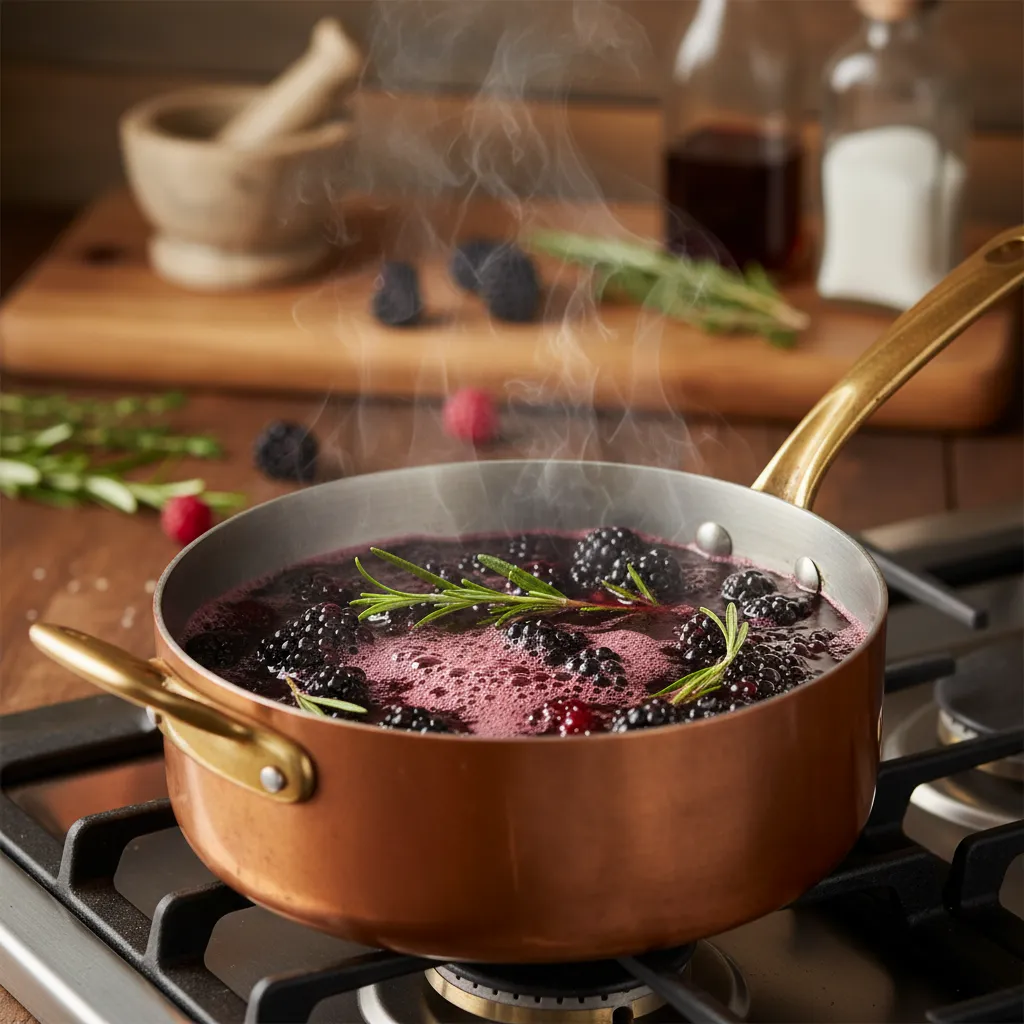
The hot process is much faster and yields a rich, savory, and caramelized profile. It is ideal when you need to serve a drink immediately.
By gently heating the liquid, you can rapidly extract oils from woody herbs or hard spices. The heat helps emulsify and meld the flavors.
The hot method produces a warming base perfect for autumn. It is a fantastic foundation if you enjoy crafting cozy fall nonalcoholic drinks.
Always consider these simple guidelines and flavor profiles when deciding exactly how to craft your wholesome homemade syrup:
- Cold maceration: Best for ripe berries, delicate herbs, and soft stone fruits.
- Hot processing: Ideal for root vegetables, woody spices, and fibrous fruits.
- Flavor outcome: Cold methods taste zesty, while hot methods taste rich and deep.
Artisan Infusion Secrets
- For the cold method, save the macerated fruit solids after straining; they make a delicious topping for yogurt or a unique addition to baked goods.
- When using the hot process, ensure you never bring the mixture to a rolling boil, as excessive heat can scorch the sugars and dull the bright, nuanced acidity of your shrub.
- For a balanced profile, use raw apple cider vinegar with the cold method to preserve its probiotic benefits, while opting for white wine vinegar in hot processes for a cleaner, sharper finish.
3. Match Specific Vinegars to Creative Fruit and Herb Pairings
The right vinegar is the secret to a beautifully balanced shrub. It acts as the structural backbone of your syrup.
Acid enhances natural fruit flavors while cutting through heavy sweetness. Choosing your base is a crucial first step.
Decoding Vinegar Flavor Profiles

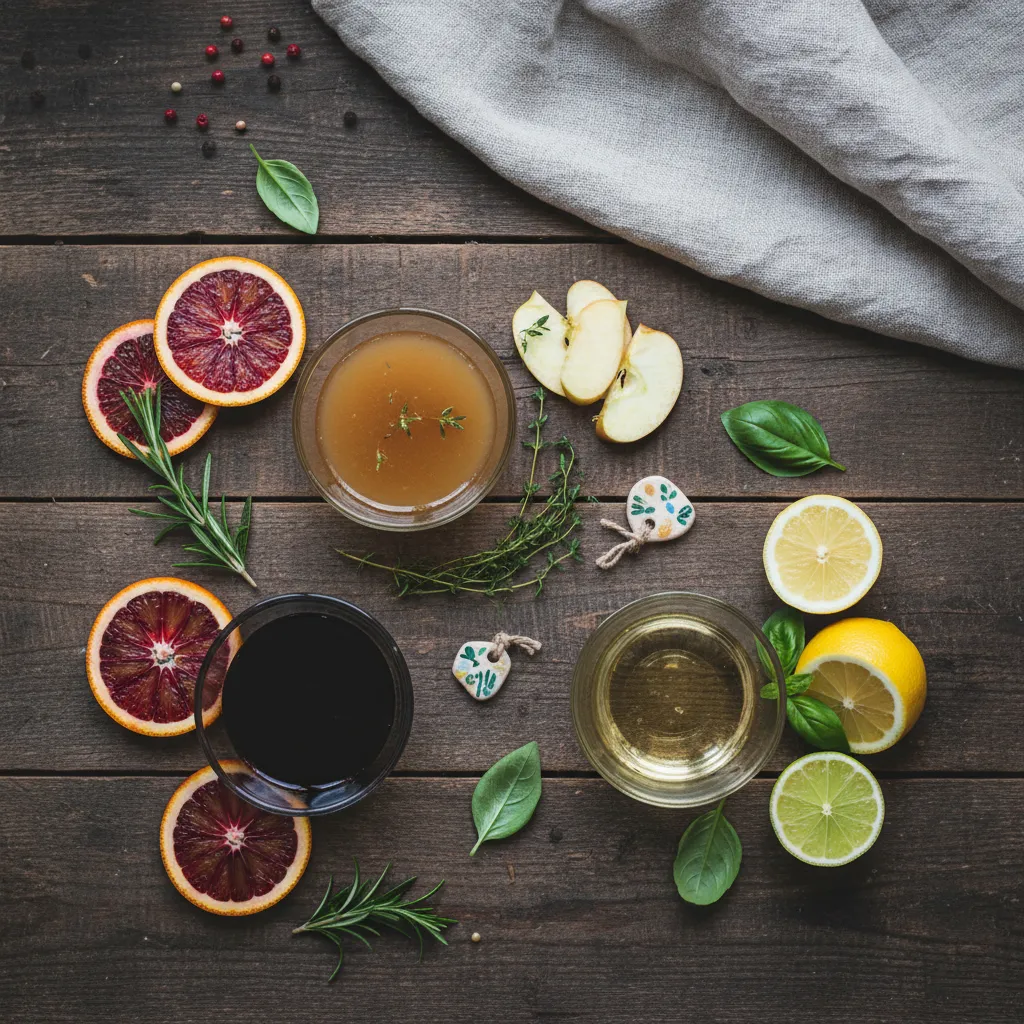
Apple cider vinegar provides a robust, fruity tartness that pairs flawlessly with autumn orchard fruits.
White balsamic offers a mild, floral sweetness. This makes it perfect for delicate summer berries and soft stone fruits.
Champagne vinegar brings a crisp, bright acidity. It beautifully elevates citrus fruits and vibrant, leafy green herbs.
Vinegar is incredibly thirst-quenching. It makes your mouth pucker, but it also cleanses the palate.
Michael Dietsch, NPR: Shrubs Make A Comeback
The Ultimate Shrub Pairing Matrix

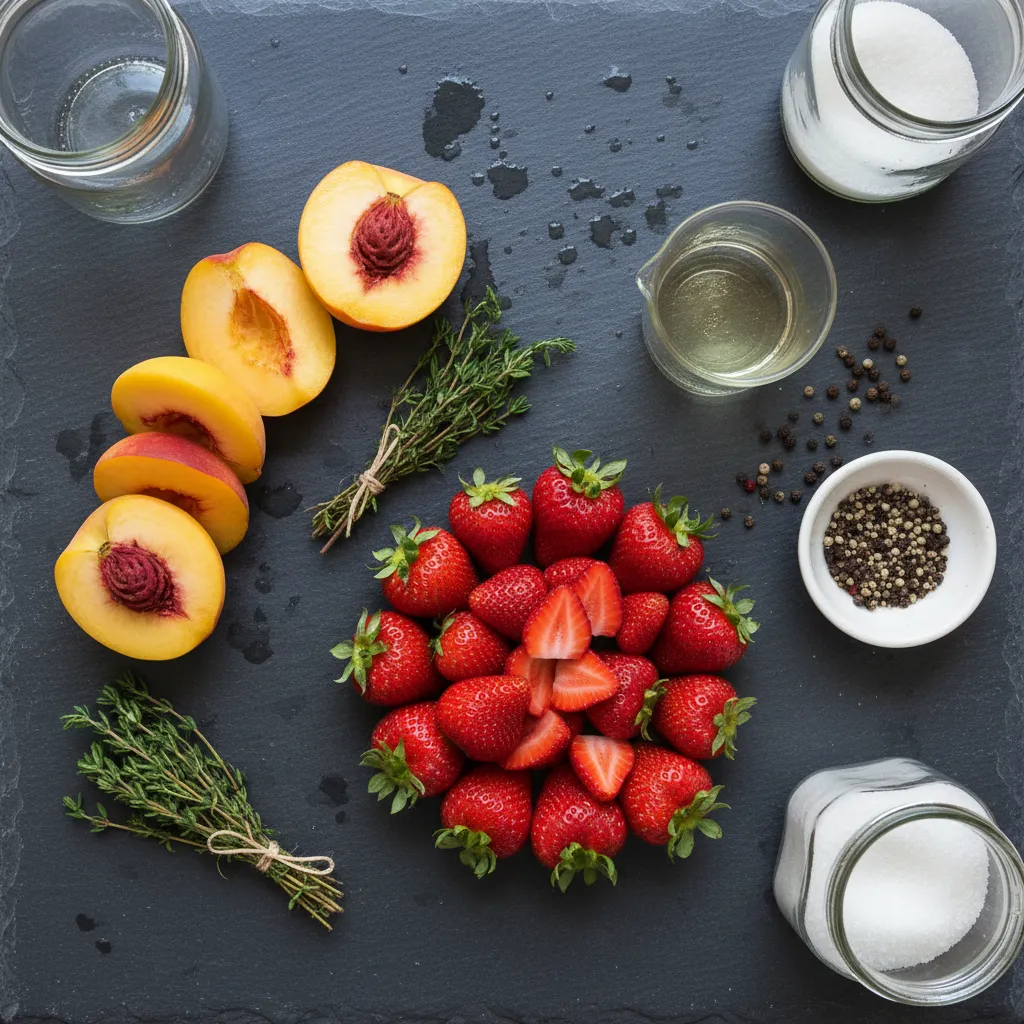
Building a complex palate requires thoughtful pairings. This matrix will help you design your own artisanal combinations.
Use fresh ingredients for the best infusion. Learn how to store fresh herbs for weeks to maintain their vibrant flavors.
| Vinegar Base | Ideal Fruit Pairings | Complementary Herbs |
|---|---|---|
| Apple Cider | Apples, Pears, Plums, Blackberries | Cinnamon, Rosemary, Ginger |
| White Balsamic | Peaches, Strawberries, Figs, Cherries | Basil, Thyme, Black Pepper |
| Champagne | Grapefruit, Lemon, Melon, Raspberries | Mint, Tarragon, Lavender |
| Red Wine | Grapes, Blood Orange, Cranberries | Cloves, Sage, Star Anise |
Recipe: Strawberry Basil Balsamic Shrub

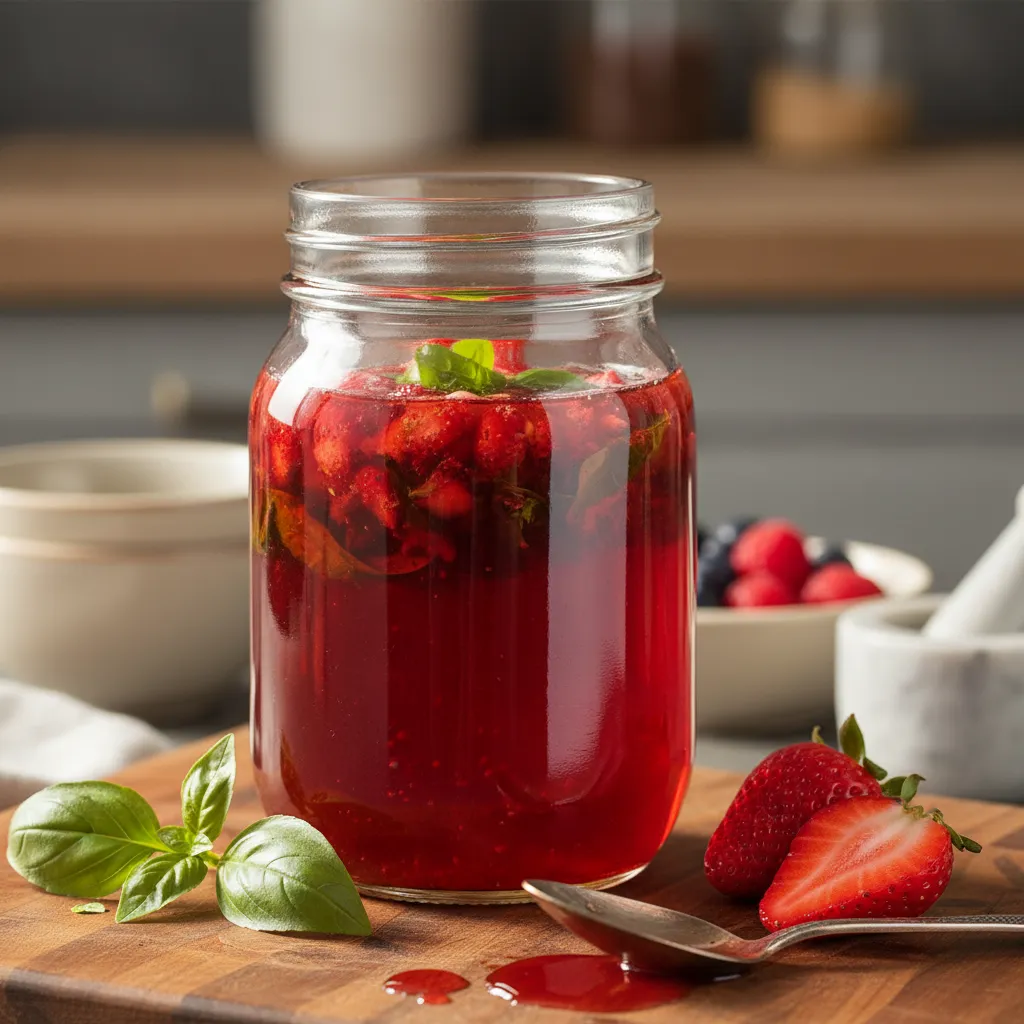
This plant-based recipe beautifully demonstrates how white balsamic elevates fresh produce. The basil adds a savory depth.
The resulting syrup is wonderfully complex and umami-rich. It is perfect for splashing over ice with sparkling water.
Ingredients
- 2 cups fresh strawberries, hulled and quartered
- 1 cup organic cane sugar
- 1 cup white balsamic vinegar
- 0.5 cup fresh basil leaves, gently torn
Instructions
- Place the strawberries and sugar in a clean glass bowl. Muddle gently to release the natural juices.
- Cover the bowl tightly. Let the fruit marinate in the refrigerator for exactly 24 hours.
- Strain the thick strawberry syrup through a fine mesh sieve into a sterilized glass jar.
- Whisk the white balsamic vinegar and torn basil leaves directly into the sweet strawberry syrup.
- Seal the jar and refrigerate for 3 days to allow the flavors to emulsify before serving.
A great shrub syrup balances the sunny sweetness of fresh fruit with the grounding, earthy bite of a vibrant vinegar.
The Shrub Masterclass
- Avoid using standard distilled white vinegar, as its aggressive profile can easily overpower delicate produce. Instead, opt for high-quality raw apple cider vinegar or aged wine vinegars to introduce complex, fermented layers to your syrup.
- If your shrub tastes too sharp immediately after mixing, let it mellow in the refrigerator for an additional 7 to 10 days. This aging process allows the harsh acetic acid to soften and better integrate with the fruit sugars for a smoother finish.
- To maximize flavor extraction when using woody herbs like rosemary or thyme, gently bruise the leaves between your palms before adding them to the vinegar to release their aromatic essential oils without making the mixture bitter.
4. Implement Essential Food Safety and Shelf-Life Practices

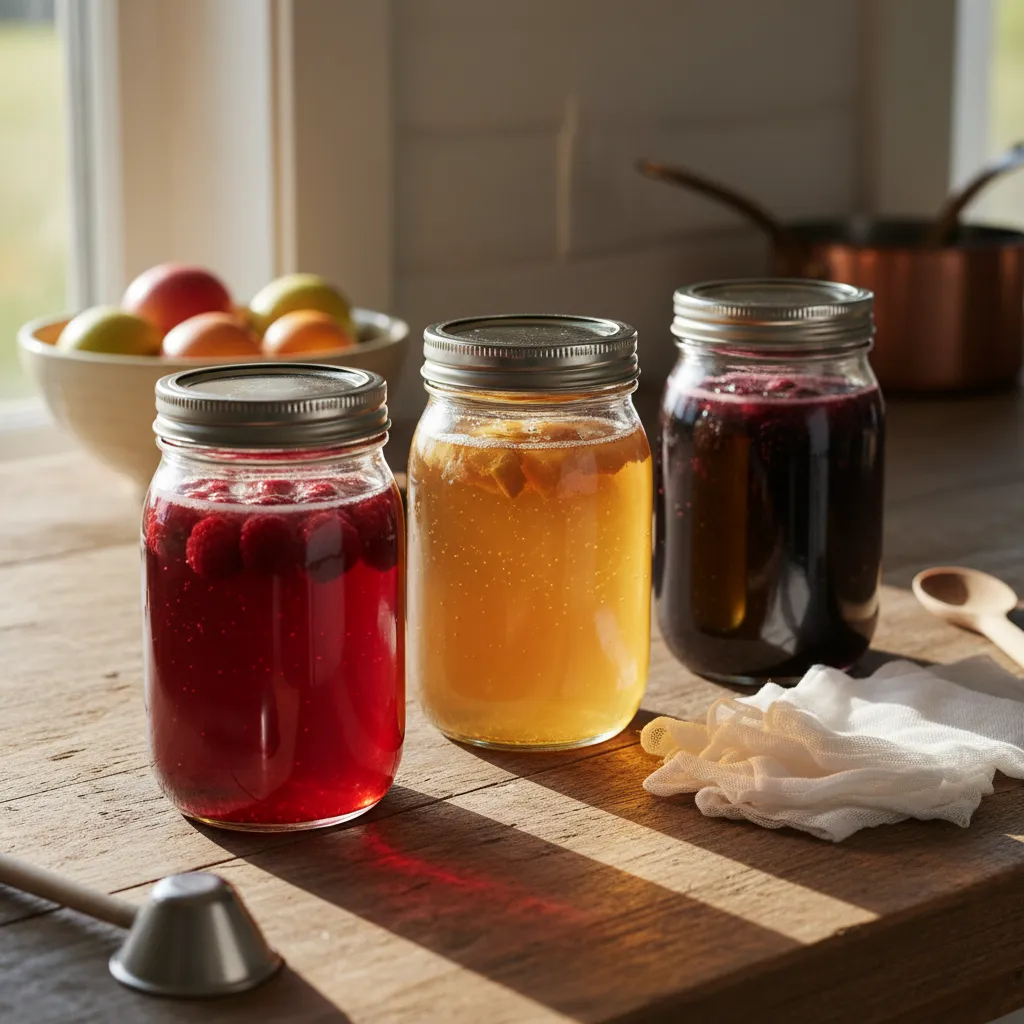
When crafting an artisanal infusion at home, proper hygiene is paramount. A vibrant, wholesome shrub relies on a clean environment to thrive and remain safe.
Always begin your mise en place by sterilizing your glass jars and bottles. This simple step prevents unwanted bacteria from ruining your savory creations.
Vinegar acts as a natural preservative in plant-based shrubs, but it is not foolproof. Maintaining the correct acidity level ensures a lasting, safe palate.
A great shrub syrup is born from vibrant fruit, grounded by sharp vinegar, and protected by mindful kitchen safety.
Sterilization and Storage Guidelines

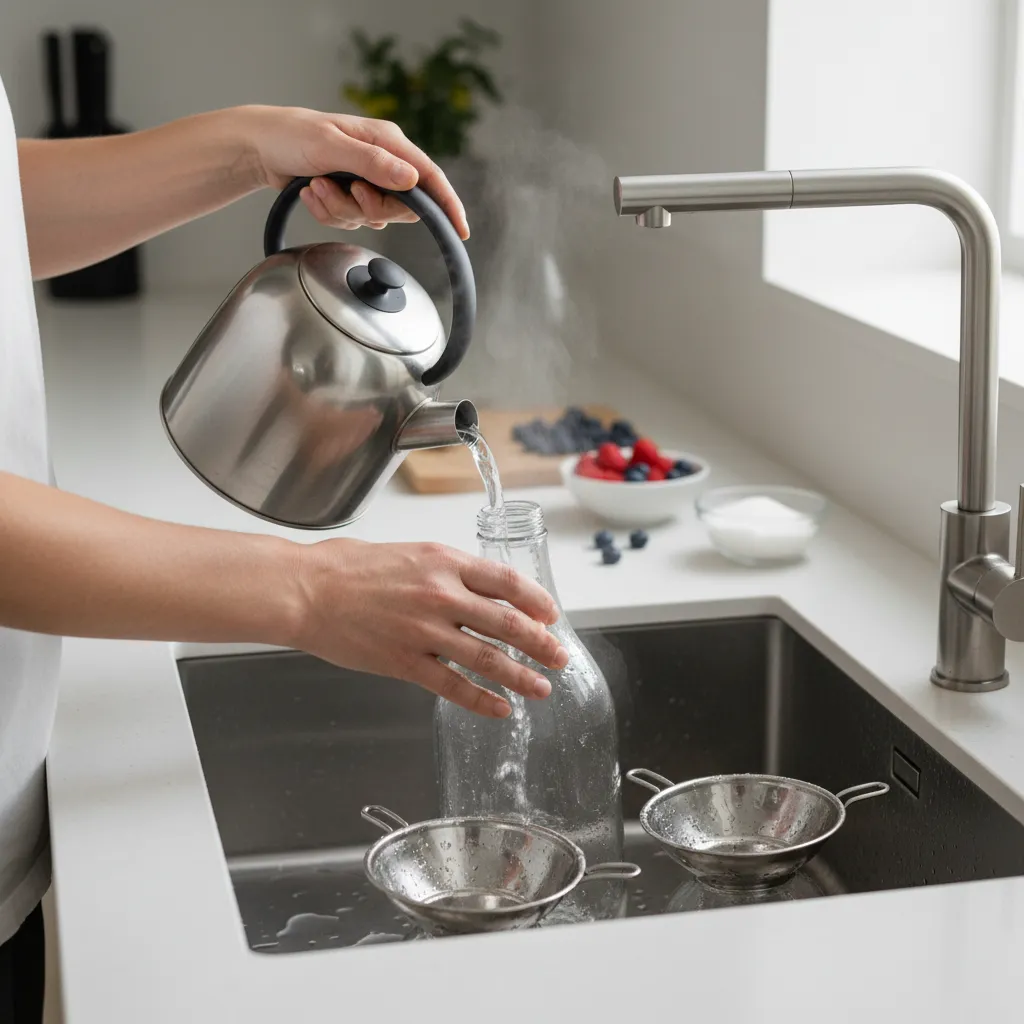
Use boiling water to sanitize your containers before adding the fruit and vinegar mixture. This guarantees a pure, untainted flavor profile.
Store your finished, organic syrup in the refrigerator. While the vinegar slows bacterial growth, cold temperatures halt unexpected fermentation completely.
A well-stored shrub can last up to six months in the fridge. Over time, the flavors will emulsify and mellow, creating a deeply complex artisanal syrup.
Just like the meticulous process in our beginner guide to fermenting vegetables, maintaining a sterile environment prevents mold growth.
The high acid content of the vinegar helps to preserve the herbs and fruit. Store the flavored vinegar in a cool, dark place or the refrigerator.
Penn State Extension, Making Flavored Vinegars
Shelf-Life Troubleshooting Checklist

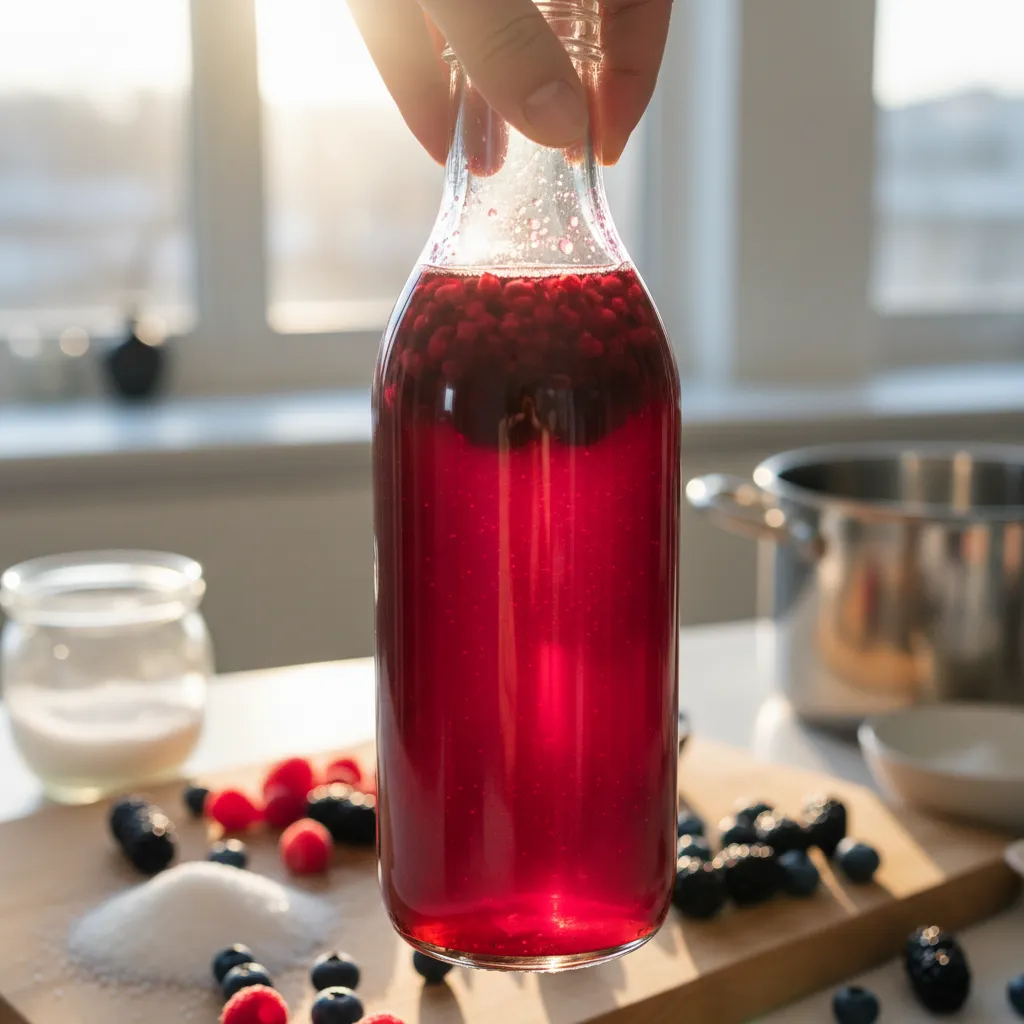
Even with perfect execution, you must monitor your homemade shrubs. Use this quick checklist to ensure your sweet and savory infusions remain safe to consume.
- Cloudiness: A slight haze is normal for unfiltered organic fruit, but sudden, thick cloudiness indicates dangerous spoilage.
- Surface Mold: If you spot fuzzy growth on the surface, discard the entire batch immediately. Do not try to salvage it.
- Off Odors: A wholesome shrub smells bright and zesty. A foul, yeasty, or overly pungent smell means bacteria has taken over.
- Carbonation: Unexpected fizzing means active yeast fermentation. While not always dangerous, it drastically alters the intended flavor profile.
The Shrub Master’s Safety Secrets
- Always label your jars with the date of creation and the base vinegar used. This ensures you consume the shrub within its six-month peak and helps you track how different vinegars age over time.
- Leave about half an inch of headspace at the top of your bottles. This small gap allows for thermal expansion and prevents pressure buildup, especially if any natural fermentation occurs.
- Use a non-reactive funnel made of stainless steel or food-grade plastic when bottling. Avoid reactive metals like copper or aluminum, as the high acidity of the vinegar can leach metallic flavors into your syrup.
5. Troubleshoot Sharp Acidity, Cloudiness, and Unintended Fermentation


Crafting your first batch of fruit vinegar can be intimidating. Sometimes the results look or taste slightly unexpected.
Do not worry if your creation seems overly tart or cloudy at first. Minor adjustments will quickly perfect your palate.
Balancing Overpowering Acidity

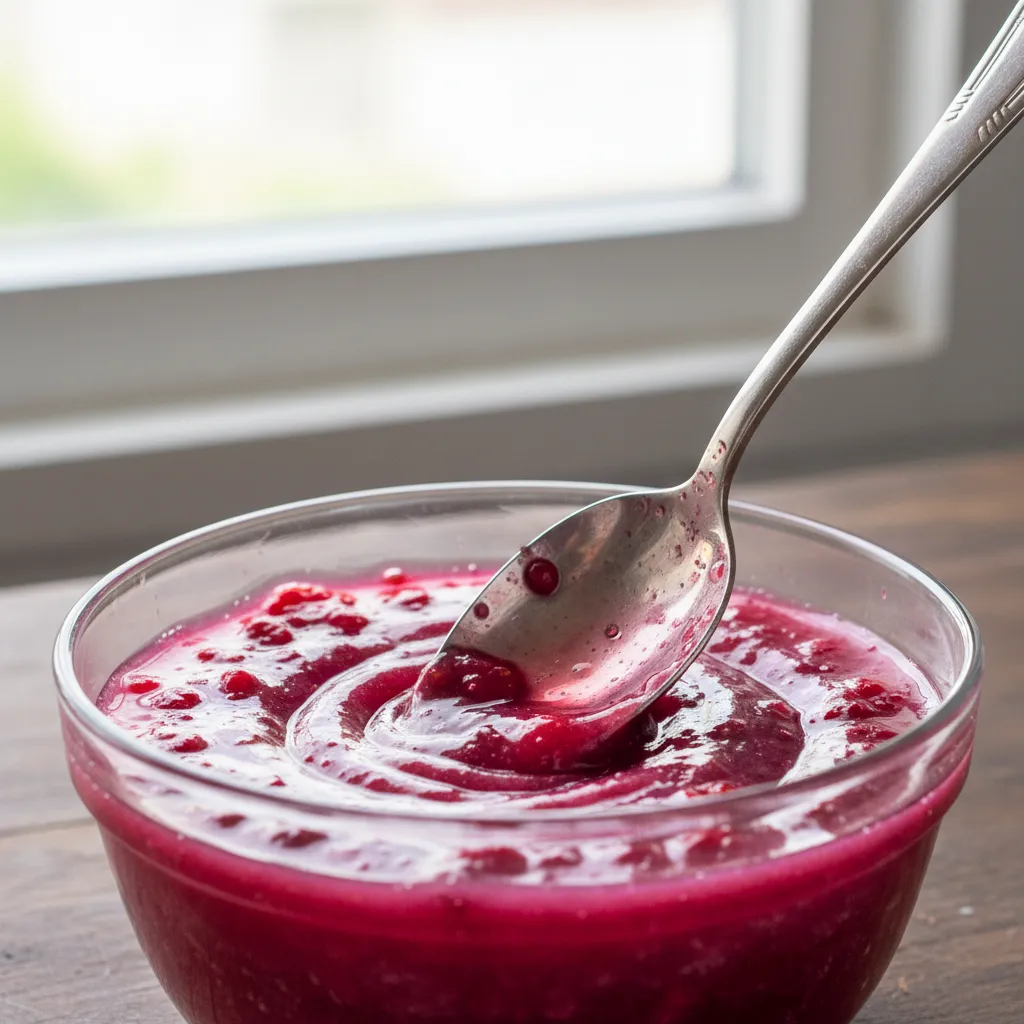
If your mixture tastes aggressively sharp, patience is your best tool. Vinegar needs time to mellow and marry with sugar.
Store the tightly sealed jar in your refrigerator for another week. The harsh edges will soften into a smooth, savory flavor.
If time does not entirely fix it, gently stir in a small amount of honey or agave. This sweet addition cuts the zesty bite.
The tartness of the vinegar makes the shrub incredibly refreshing, cutting through the sweetness to create a perfectly balanced, thirst-quenching drink.
Michael Dietsch, Imbibe Magazine
Clearing Up Cloudiness

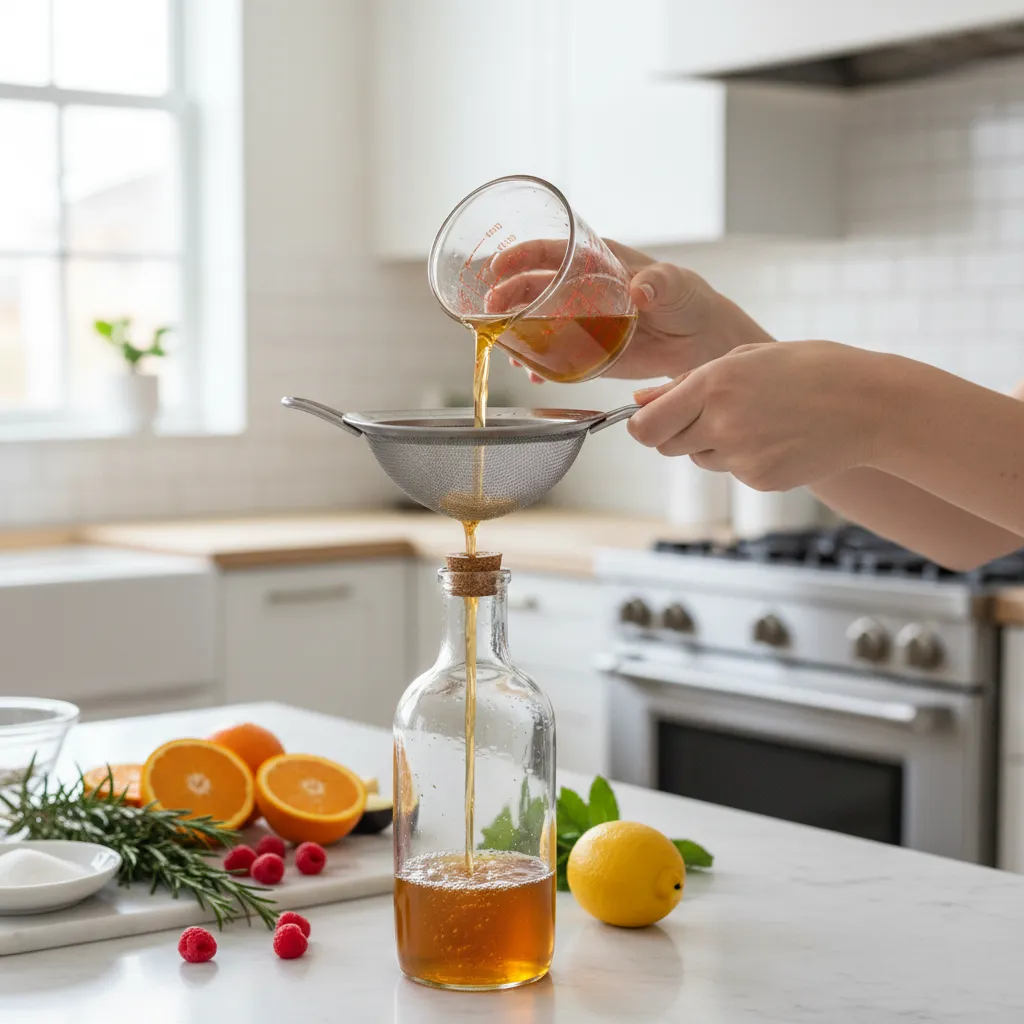
A hazy syrup usually results from natural fruit pectin or fine sediment. This is completely harmless and safe to consume.
However, if you prefer a crystal clear liquid, double strain your batch. Use a fine mesh sieve lined with a cheesecloth.
Avoid pressing down on the fruit solids while straining. Let gravity do the work to prevent pushing murky pulp through.
After straining, do not discard that flavorful fruit mush. We share great ideas in our guide on using kitchen scraps.
Preventing Unwanted Fermentation

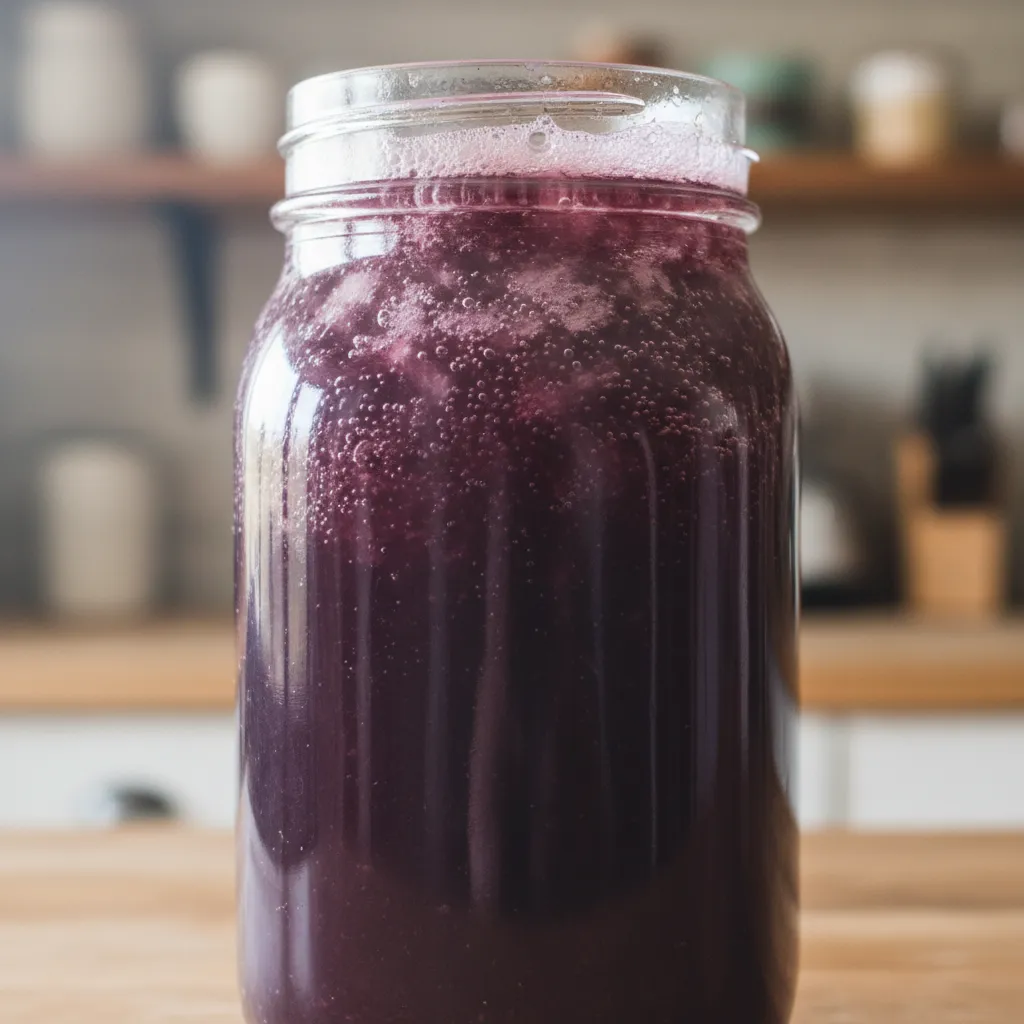
Noticing unexpected bubbles or a fizzy texture in your jar? Wild yeast from the fruit has likely started to feast on sugar.
While some makers enjoy this effervescence, it alters the intended flavor. Moving your jar to the fridge stops this process.
We discuss wild yeasts heavily in our beginner guide to fermenting vegetables. Temperature control is truly everything.
Quick Troubleshooting Guide

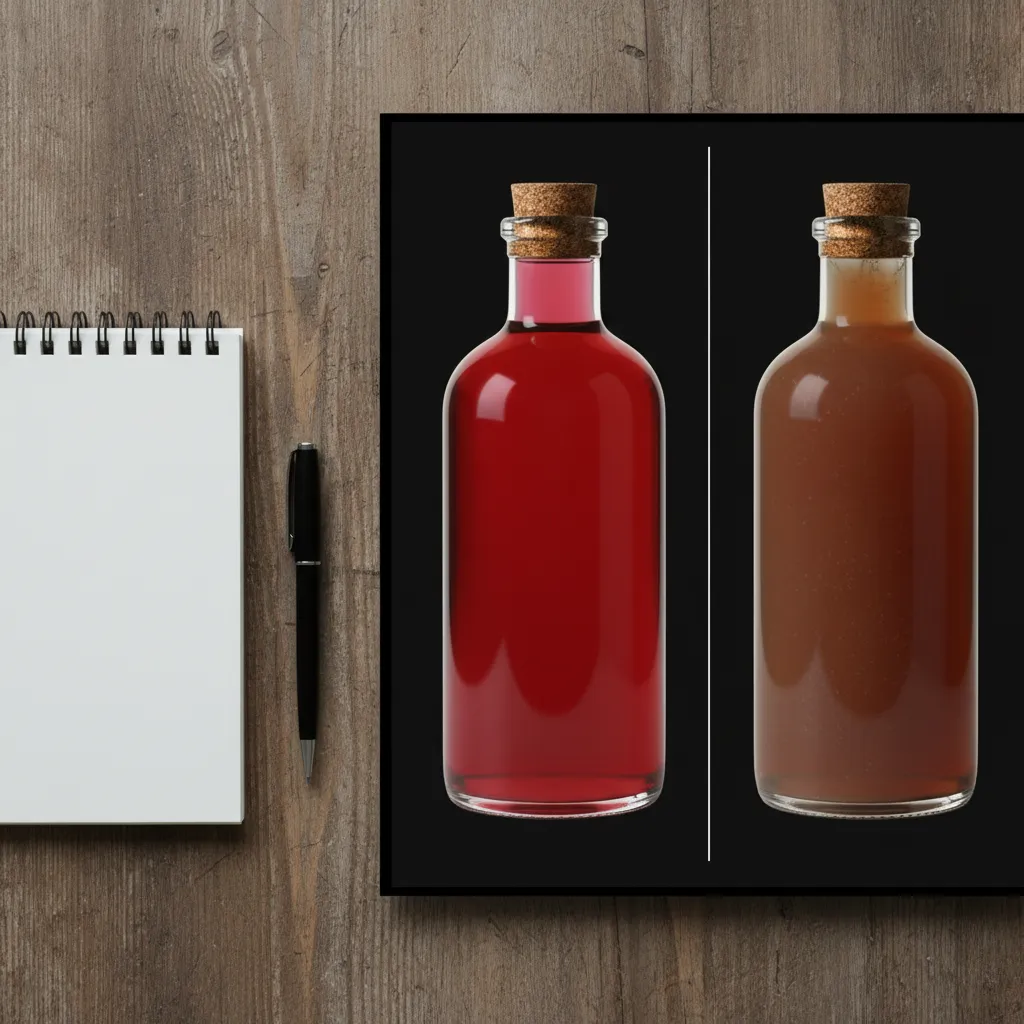
Refer to this simple chart when your artisanal concoction behaves unexpectedly. Most issues are easily corrected with minor tweaks.
| Problem | Common Cause | Quick Solution |
|---|---|---|
| Harsh, biting flavor | Insufficient resting time | Refrigerate for one more week |
| Cloudy appearance | Natural fruit pectin or pulp | Strain through fine cheesecloth |
| Unexpected fizziness | Wild yeast fermentation | Move to cold storage immediately |
| Sugar sinking to bottom | Incomplete dissolving | Shake vigorously daily until mixed |
Patience is the secret ingredient in every perfect shrub. Give the vinegar time to soften, and the fruit flavors will truly sing.
The Maker’s Secret Sauce
- For an ultra-clear shrub, swap the cheesecloth for a paper coffee filter during your final strain; it catches the tiniest particles that mesh sieves often miss.
- If your shrub feels one-dimensional, add a tiny pinch of sea salt. It acts as a flavor enhancer that bridges the gap between sharp acidity and fruit sweetness.
- To halt unintended fermentation instantly, store your jars in the back of the refrigerator where temperatures are coldest and most consistent.
Pour Your Culinary Masterpiece
You now hold the secret to crafting mouth-watering, artisanal shrub syrups right in your own kitchen. This simple 1:1:1 ratio is your blank canvas for flavor.
Whether you choose the bright cold maceration method or the quick hot process, your non-alcoholic drinks will never be the same. Enjoy the creative journey.
Share these vibrant, tangy elixirs with family and friends. A beautiful splash of your homemade syrup transforms any sparkling water into a celebratory toast!
Curiosities from the Kitchen Counter
Your artisanal shrub will easily last up to six months in the refrigerator. The vinegar acts as a natural preservative, keeping those vibrant fruit flavors beautifully intact.
Absolutely! Frozen berries work wonderfully, especially for the hot process method. Just let them thaw slightly to release their rich, sweet juices before you begin muddling.
Raw apple cider vinegar is the ultimate starting point. Its mellow, fruity acidity pairs perfectly with most fruits and creates a beautifully balanced, nurturing flavor profile.
You can certainly experiment with honey or maple syrup. Just remember that liquid sweeteners add their own robust notes, so blend mindfully to let your chosen fruit shine.