
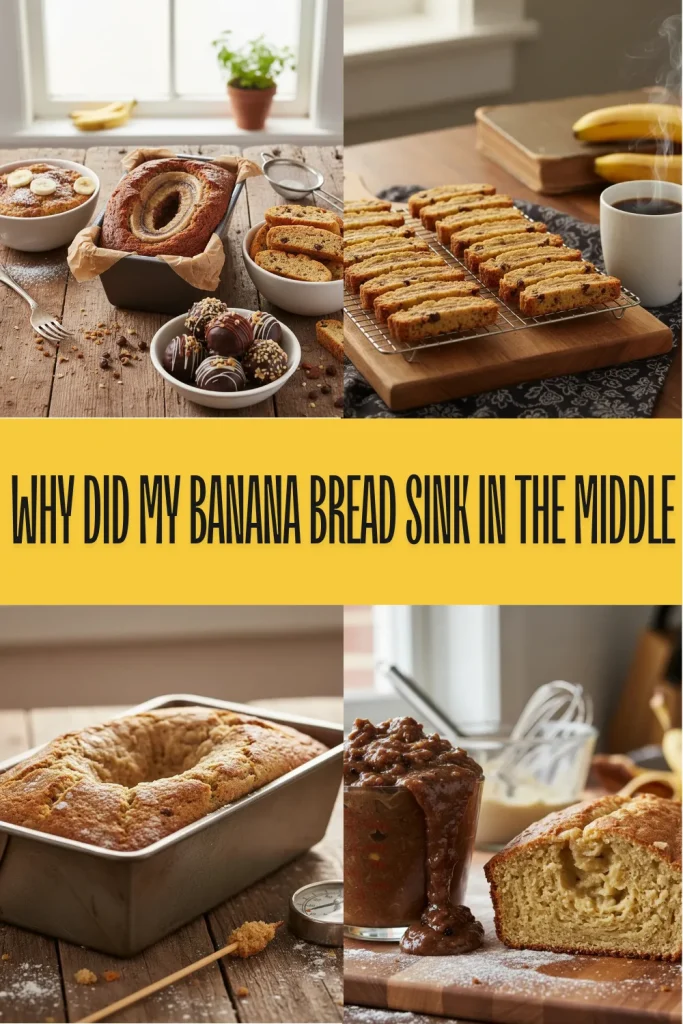

Table of Contents
- 1. Underbaking or Inaccurate Oven Temperatures
- 2. Using Too Much Baking Soda or Powder
- 3. Overmixing the Batter Causing Gluten Overdevelopment
- 4. Excess Moisture From Too Much Banana Puree
- 5. How to Salvage Sunken Banana Bread: Puddings, Biscotti, and Truffles
- Bake With Confidence: No More Sunken Centers
- Baker’s Troubleshooting Desk
Few things match the aroma of sweet, overripe bananas caramelizing in a warm oven. It is a comforting scent that promises a moist, golden loaf perfect for sharing with your loved ones.
However, the heart-sinking moment when you pull your bread out only to find a deep crater in the center can dampen any baker’s spirits.
Understanding the science of leavening is the first step toward achieving that perfect, domed top every single time.
Often, the culprit is simply a matter of chemistry or timing, such as expired baking soda or an oven door opened just a minute too soon.
We will explore these culinary nuances together so your next loaf is as beautiful as it is delicious.
Baking is an act of love, and even a sunken loaf still offers incredible flavor and nutrition for your morning toast.
With a few simple adjustments to your technique, you will gain the confidence to master this kitchen staple.
Let us dive into the details and turn those baking frustrations into a triumph you can proudly serve at your table.
1. Underbaking or Inaccurate Oven Temperatures

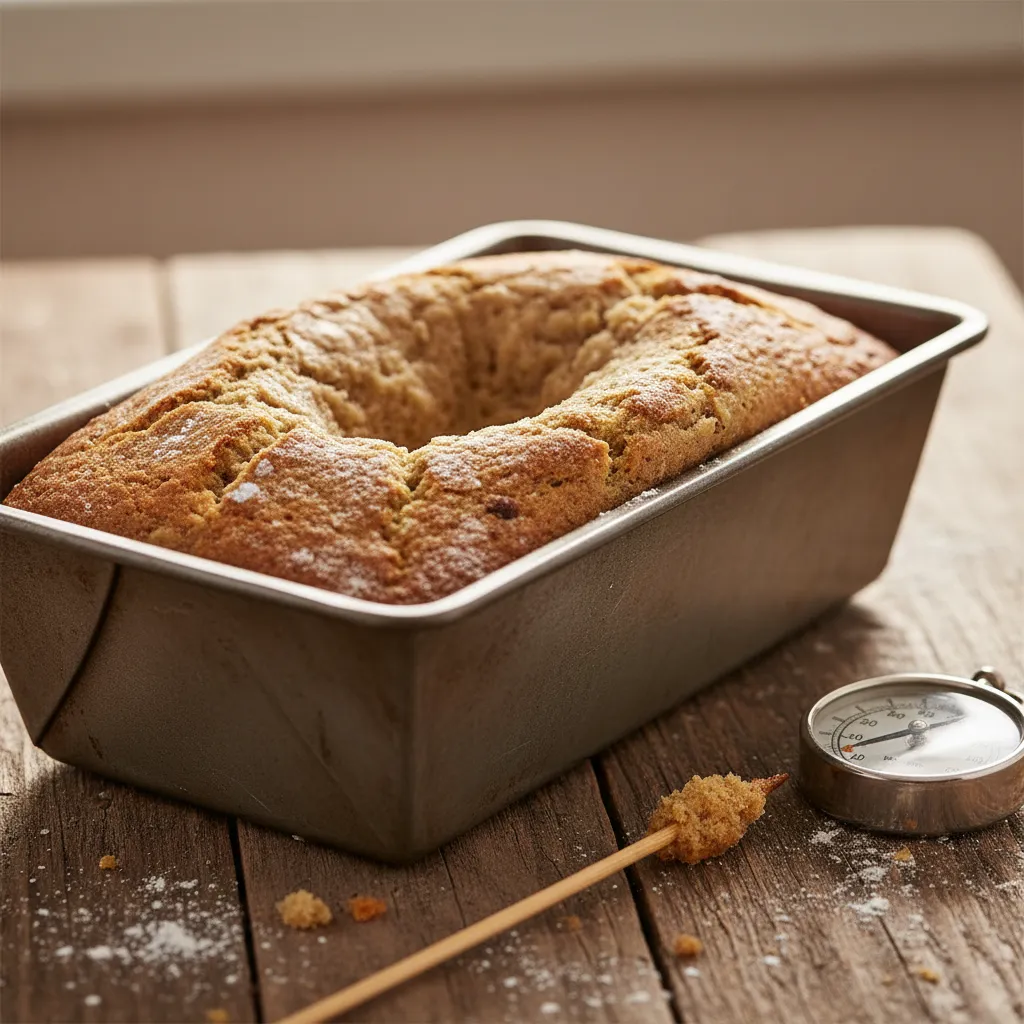
The most common culprit for a sunken loaf is simply pulling it from the oven too early. The edges might look perfectly golden brown, but the center needs time.
Banana bread batter is heavy and packed with moisture. The structural network of flour and eggs takes significant time to fully set and solidify in the middle.
If you remove the loaf before this structure sets, the wet center cannot support the weight of the dome. As it cools, the middle inevitably collapses and sinks.
A perfectly golden crust can hide a doughy center. Always trust your thermometer, not just your eyes.
Many home ovens are notoriously inaccurate. You might set the dial to 350 degrees, but the internal temperature could easily be 25 degrees lower.
This discrepancy means your baking time will be entirely off. An underheated oven prevents the internal temperature of the bread from reaching the crucial 200 degree mark.
Because ovens can vary so much, we strongly recommend keeping an oven thermometer inside yours to ensure accurate baking temperatures.
Baking Experts, King Arthur Baking
If you are using properly stored fruit, like when you learn how to freeze overripe bananas, their extra moisture demands a thorough and precise bake.
| Visual or Physical Cue | Underbaked (Will Sink) | Perfectly Baked (Will Hold) |
|---|---|---|
| Toothpick Test | ❌ Wet, shiny batter clings to stick | ✅ A few moist crumbs attached |
| Loaf Edges | ❌ Still attached to pan sides | ✅ Gently pulling away from edges |
| Center Touch | ❌ Jiggles or feels very soft | ✅ Springs back lightly when pressed |
To prevent a gooey center, always test your loaf before taking it out. Insert a wooden skewer or long toothpick directly into the tallest part of the dome.
A clean toothpick is great, but a few moist crumbs clinging to the wood mean perfection. If you see wet batter, the loaf needs at least ten more minutes.
If your crust is browning too quickly while the middle remains raw, do not panic. Simply tent the loaf pan loosely with a piece of aluminum foil.
This foil tent protects the top from scorching while allowing the center to continue gently baking until it is completely set and beautifully domed.
Baking Rescue Secrets
- Calibrate with an oven thermometer: Do not trust your oven’s dial! Keep an internal thermometer inside to ensure you are actually hitting the required heat for that perfect rise.
- Employ the foil tent trick: If the top of your loaf is browning too rapidly but the center is still doughy, loosely drape aluminum foil over the pan. This protects the crust while the inside finishes baking.
- Look for moist crumbs: When you test the deepest part of the center dome, a perfectly baked loaf will leave a few moist crumbs clinging to the skewer. Wet batter means it needs at least ten more minutes!
2. Using Too Much Baking Soda or Powder

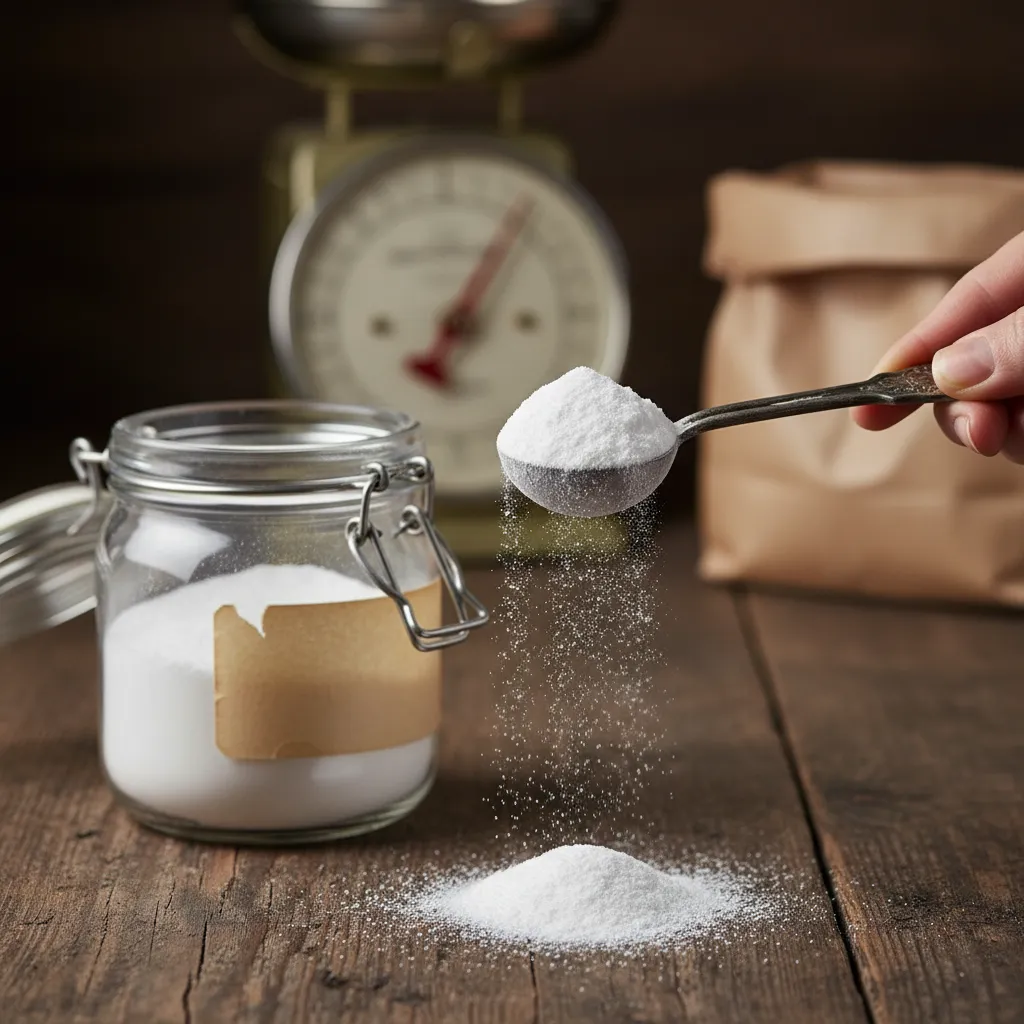
Getting the rise right in your banana bread is a delicate science. Too much baking soda or powder acts like a runaway train in your oven.
The batter expands rapidly and creates huge air pockets. Sadly, the gluten structure cannot support this massive growth.
Once those oversized bubbles burst, your beautifully domed loaf collapses. You are left with a dense and gummy crater right in the center.
If there is too much leavening, the bubbles will get too large, combine, and burst, causing the cake to fall.
Shirley Corriher, Fine Cooking: Baking Soda and Baking Powder
Precision is vital for a wholesome and perfectly baked loaf. Use our Flavoryn Recipe Math guide to ensure your ratios are exact.
Before starting your batter, always prepare your mise en place. Measuring your artisanal ingredients precisely prevents over-leavening.
If your palate detects a soapy aftertaste alongside a sunken center, baking soda is the culprit. Here is a quick troubleshooting guide.
| Symptom | Probable Cause | Solution |
|---|---|---|
| Sunken center with a metallic or soapy taste | Too much baking soda | Use exact, level measuring spoons next time. |
| Loaf rises rapidly then deflates instantly | Excess baking powder | Reduce baking powder by a quarter teaspoon. |
| Pale crust and sunken middle | Expired leavening agents | Test your leavening agents for fresh fizz. |
Baking is a science where precision creates perfection. Measure your leavening agents carefully to keep your banana bread standing tall.
To avoid a collapsed center, try this foolproof dry mix ratio. It provides the perfect balance for a standard loaf.

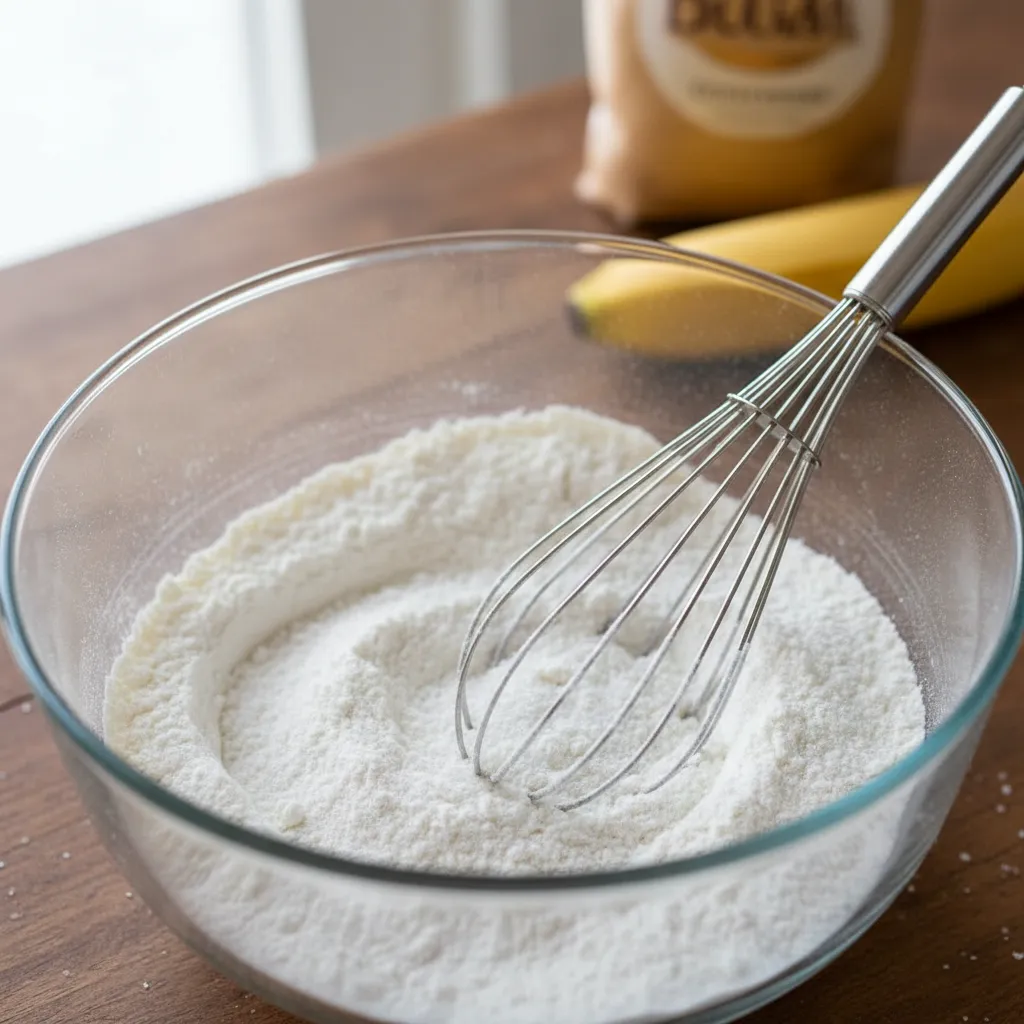
Ingredients
Instructions
- Sift the all-purpose flour into a large mixing bowl to remove lumps.
- Measure the baking powder and baking soda with level spoons.
- Add the fine sea salt to the flour mixture.
- Whisk the dry ingredients vigorously to distribute the leavening evenly.
Properly dispersing these powders ensures an even lift. This prevents pockets of intense gas that lead to structural failure.
Flavoryn Baking Secrets
- Always use level measuring spoons for your leavening agents. Eyeballing the measurements can lead to rapid expansion and a collapsed loaf.
- Whisk your dry ingredients thoroughly to evenly distribute the baking powder and soda. This prevents concentrated pockets of gas that cause structural failure.
- Check for a fresh fizz before starting. Drop a pinch of baking soda into vinegar, or baking powder into hot water, to ensure your leavening agents are still active.
3. Overmixing the Batter Causing Gluten Overdevelopment

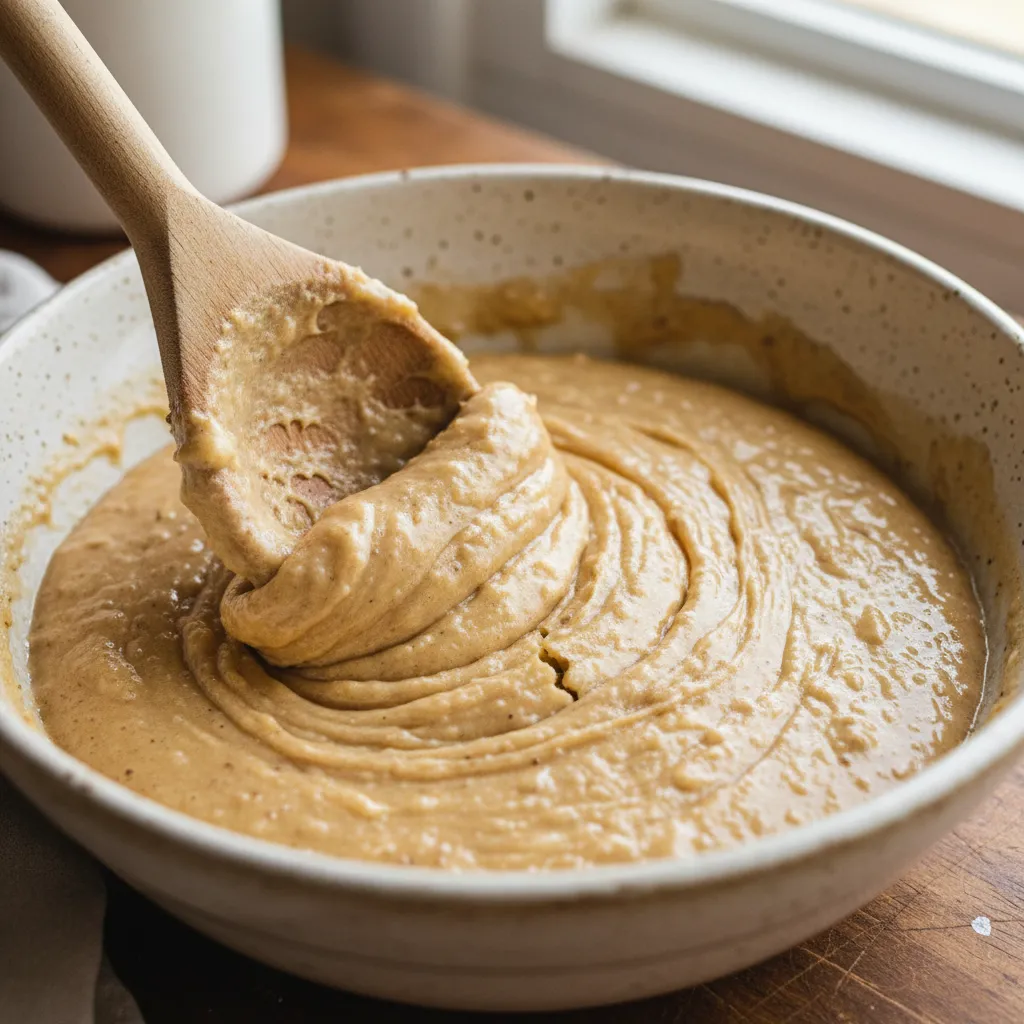
When flour meets your wet ingredients, gluten proteins begin to hydrate and activate. This network is essential for structure.
However, aggressive stirring creates an overly elastic and tense web of gluten strands. This is the enemy of tender quick breads.
The tough, elastic dough traps too much air initially. It will rise rapidly in the hot oven but lacks the tender stability to hold.
Once it cools, the strained gluten network snaps back and collapses. This leaves you with a dense, gummy, and deeply sunken center.
Just like when investigating why do my cookies spread flat, managing gluten development is critical.
When you overmix batter, you overdevelop the gluten, resulting in a tough, rubbery texture.
Epicurious Editors, Epicurious Baking Guide
To avoid a collapsed loaf, you must master the muffin method. This technique relies on gently folding wet and dry components.
Here are the key visual cues to monitor while mixing your batter to ensure a perfectly domed, caramelized crust.
- Perfect Batter: Lumpy, thick, and slightly uneven. A few visible streaks of dry flour are perfectly acceptable.
- Overmixed Batter: Completely smooth, highly elastic, and glossy. It pulls aggressively like a heavy pizza dough.
Treat your banana bread batter like a delicate cloud; fold it gently, and it will reward you with a perfect, towering rise.
Use a gentle, sweeping motion with a flexible silicone spatula. Scrape the bottom of the bowl and fold the batter over itself.
Stop mixing the exact moment the last streak of flour disappears. The batter should look slightly rustic and wholesome.
To practice this delicate folding technique, try this foolproof, tender-crumb banana bread recipe formulated for a steady rise.
Ingredients
- 2 cups all-purpose flour, sifted
- 1 teaspoon baking soda
- 0.5 teaspoon sea salt
- 3 large overripe bananas, mashed
- 0.5 cup unsalted butter, melted
- 0.75 cup brown sugar, packed
- 2 large eggs, room temperature
- 1 teaspoon pure vanilla extract
Instructions
- Preheat your oven to 350 degrees Fahrenheit and line a standard loaf pan with parchment paper.
- Whisk the sifted flour, baking soda, and sea salt together in a large mixing bowl until aerated.
- In a separate bowl, thoroughly whisk the mashed bananas, melted butter, brown sugar, eggs, and vanilla.
- Pour the wet mixture into the center of your dry ingredients all at once.
- Using a silicone spatula, gently fold the batter just until the flour streaks disappear. Leave the lumps.
- Pour the batter into your prepared pan and bake for 55 to 65 minutes until a toothpick comes out clean.
If you prefer a gluten-free or keto-friendly alternative, swap the all-purpose flour for a high-quality almond flour blend.
Almond flour does not contain gluten, so overmixing will not cause the bread to sink in the exact same structural way.
Baker’s Secret: The Gentle Touch
- Embrace the lumps! A perfectly mixed batter should look slightly shaggy and uneven; trying to stir it completely smooth will result in a rubbery, dense loaf.
- Swap your whisk for a flexible silicone spatula during the final stage. This allows you to reach the bottom of the bowl and fold ingredients gently without over-activating the gluten.
- Stop mixing the very second the last streak of flour disappears. Even three extra stirs can be the difference between a towering, light crumb and a sunken, gummy center.
4. Excess Moisture From Too Much Banana Puree

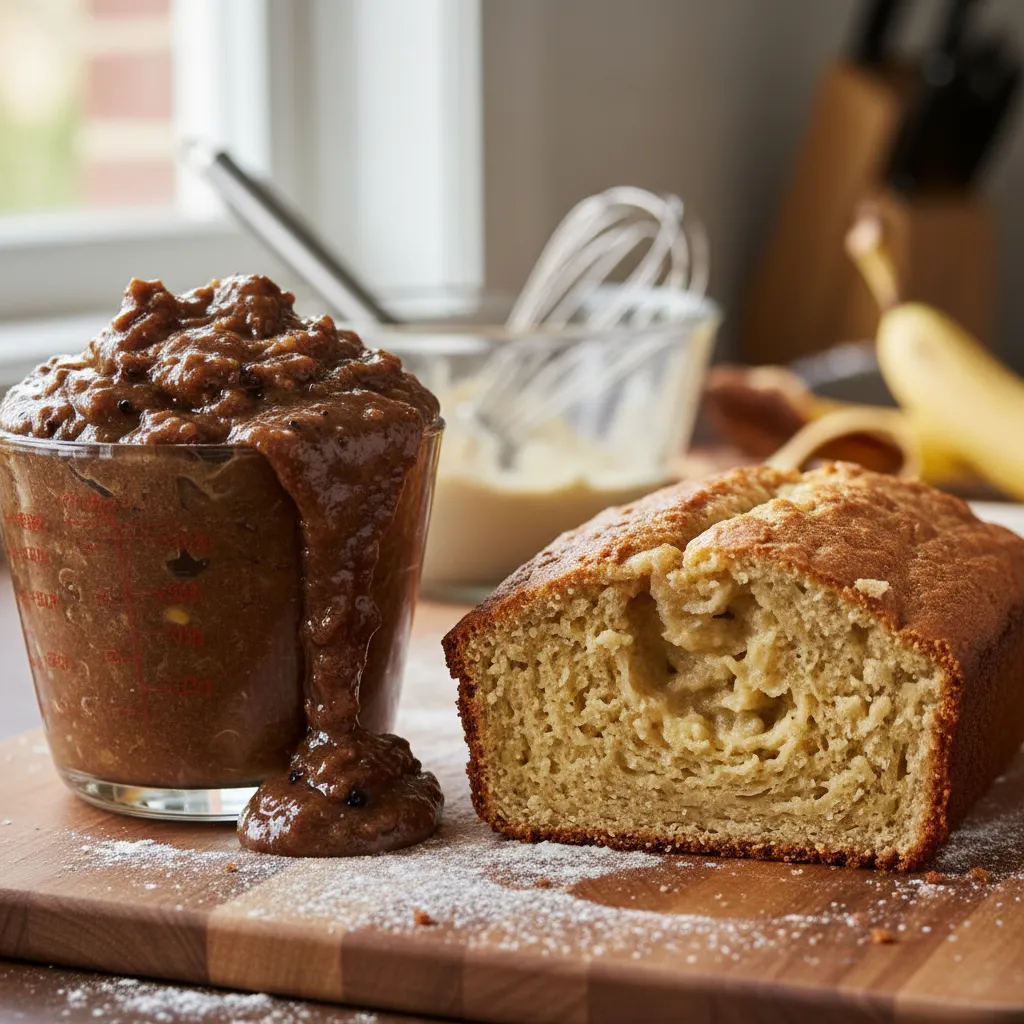
Bananas contain exactly seventy-five percent water by weight. This composition data from the USDA explains why adding extra fruit easily ruins your bake.
This naturally high liquid volume is what makes classic banana bread wonderfully moist. However, adding extra fruit is a very common baking mistake.
Home cooks often throw in an extra banana just to avoid food waste. Unfortunately, this completely disrupts the delicate dry to liquid ratio.
Excess moisture weighs down the developing gluten structure. The batter simply cannot support the heavy, wet fruit during the rising process.
As the loaf cools, the unsupported center inevitably collapses. You are left with a dense, gummy layer that tastes raw despite a golden-brown crust.
If you have leftover fruit, do not force it into your carefully measured batter. Instead, learn how to freeze overripe bananas for smoothies.
Using too much banana could make the bread too wet and dense. For best results, measure your mashed bananas.
Sally McKenney, Sally’s Baking Addiction
To achieve the perfect crumb, you must always measure your puree. Never rely on the simple count of whole bananas since natural sizes vary drastically.
Three large bananas might yield nearly two full cups of puree. A standard artisanal recipe usually calls for exactly one cup to ensure a fluffy palate.
Baking is a delicate balance of science and art. When you respect the ratios, the flavor sings and the texture thrives.
Banana Yield and Moisture Reference Guide

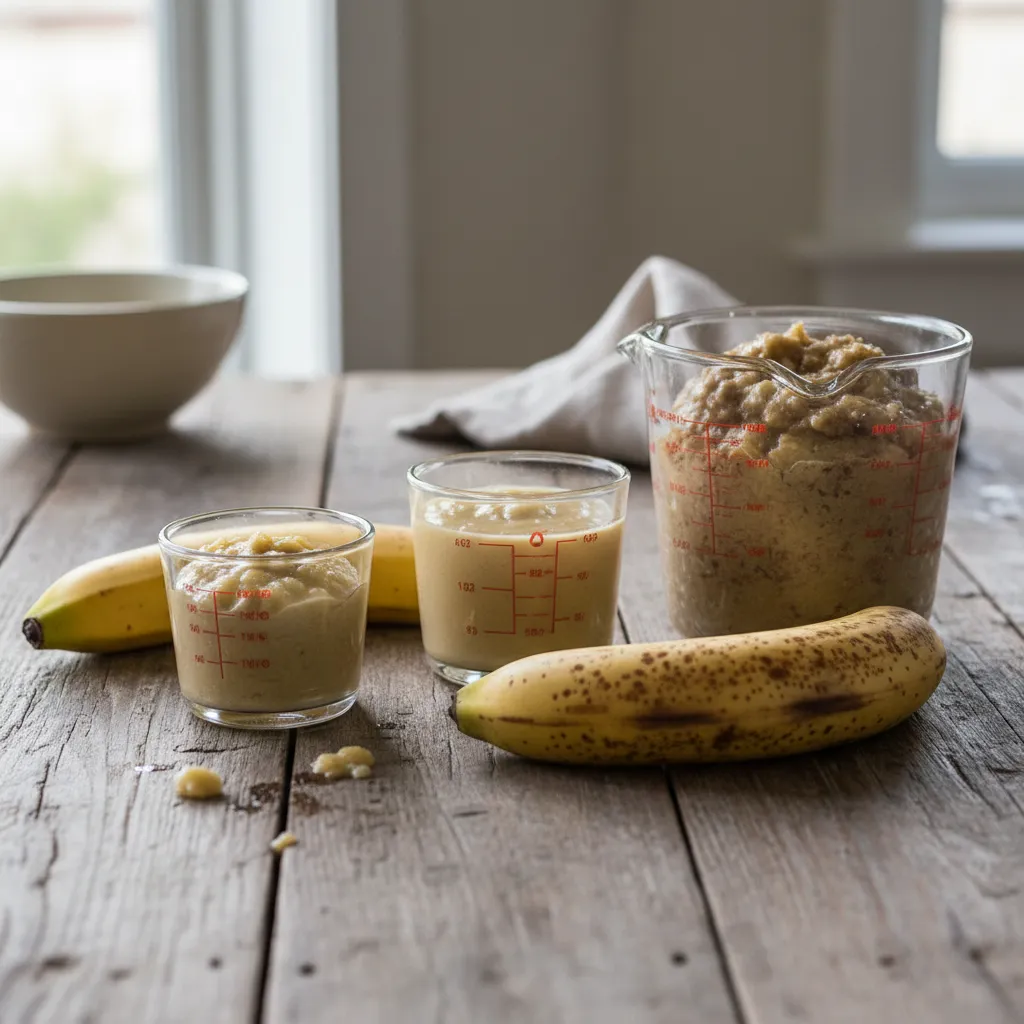
Use this helpful guide to estimate your fruit yield. Always pack the puree firmly into your measuring cup to ensure absolute accuracy.
| Banana Size | Approximate Mashed Yield | Baking Moisture Risk Level |
|---|---|---|
| Small (under 6 inches) | 1/3 cup per banana | Low risk of sinking |
| Medium (7 to 8 inches) | 1/2 cup per banana | Standard ideal moisture |
| Large (over 9 inches) | 2/3 cup per banana | High risk if estimating |
Intense Banana Flavor Reduction

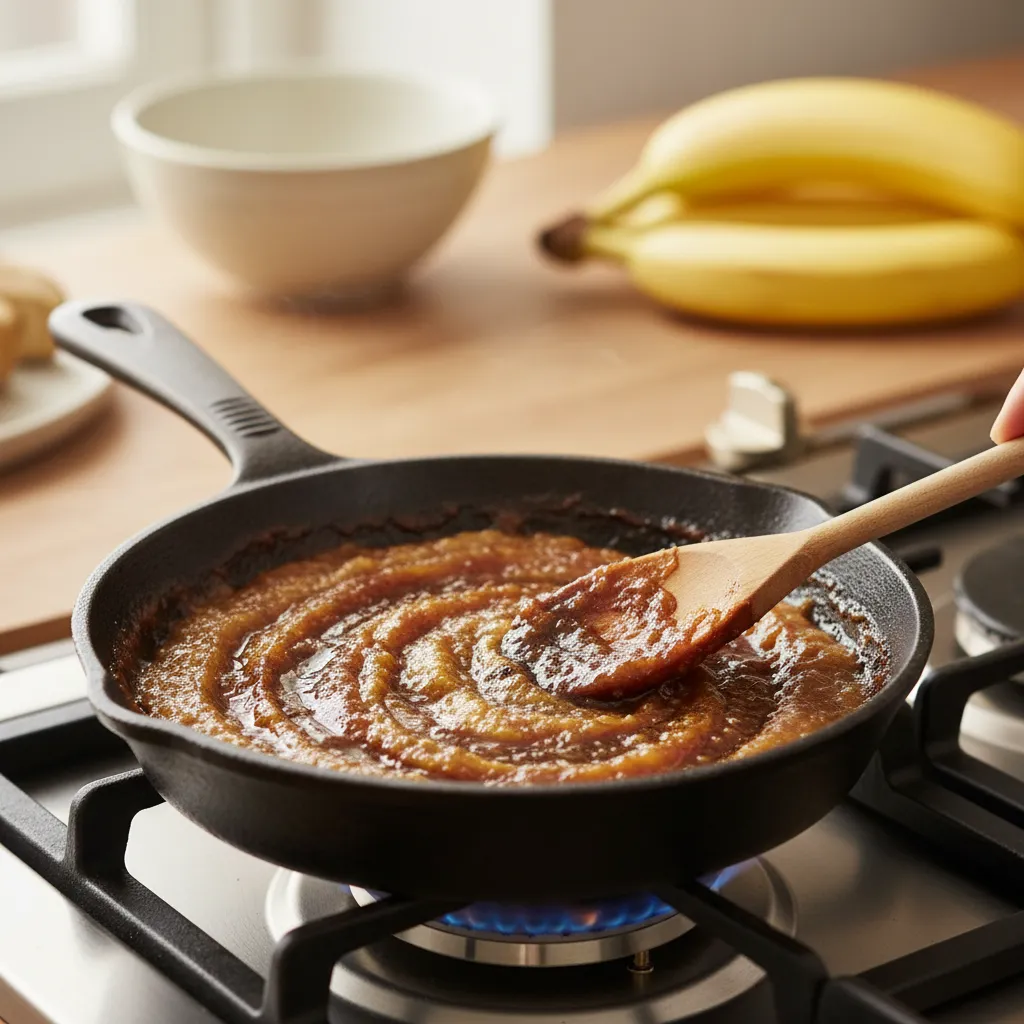
If you crave an intense, umami depth without the excess moisture, try cooking your fruit first. This wholesome technique concentrates the natural sugars.
Ingredients
- 2 cups overripe bananas, thoroughly mashed
- 1 tbsp organic unsalted butter
- 1 tsp fresh lemon zest
- 1/4 tsp fine sea salt
Instructions
- Place a small, heavy-bottomed saucepan over medium heat and add the organic butter.
- Allow the butter to melt fully until it begins to smell nutty and rich.
- Carefully sauté the mashed bananas in the pan, stirring frequently to prevent burning.
- Cook the mixture gently for ten minutes until it thickens into a dark, rich reduction.
- Remove the pan from the heat and thoroughly fold in the fresh lemon zest and sea salt.
- Allow this savory, caramelized puree to cool completely before emulsifying it into your batter.
This simple reduction technique evaporates excess water. You get all the incredible, robust flavor while keeping your final baked goods perfectly structured.
The Master Baker’s Moisture Hack
- Always measure by weight using a kitchen scale for the most accurate results, as volume measurements can vary based on how finely the bananas are mashed.
- If your bananas are extremely ripe and liquidy, strain the puree through a fine-mesh sieve for 10 minutes to remove excess moisture while keeping the flavor concentrated.
- Never throw away leftover puree; freeze it in silicone molds to add a natural sweetness and creamy texture to your future smoothie bowls.
5. How to Salvage Sunken Banana Bread: Puddings, Biscotti, and Truffles

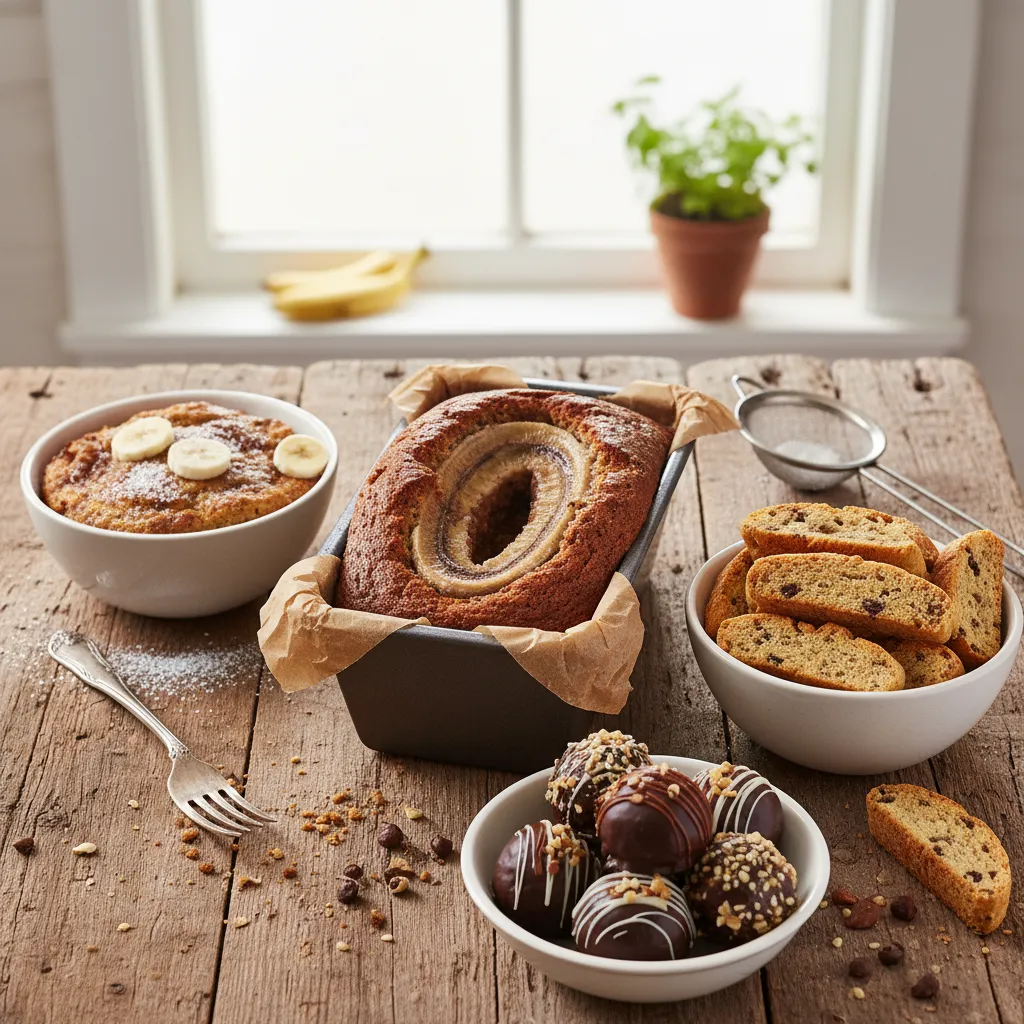
A sunken banana bread is not a baking tragedy. It is simply a delicious opportunity in disguise.
The dense, gooey center that ruins a loaf makes an incredible base for other rich desserts.
Instead of tossing your hard work, you can easily upcycle that flawed loaf into a culinary masterpiece.
Reducing kitchen waste is vital. The USDA reports that 30 percent of food is wasted globally, making upcycling key.
A baking failure is just a new, delicious recipe waiting to be discovered.

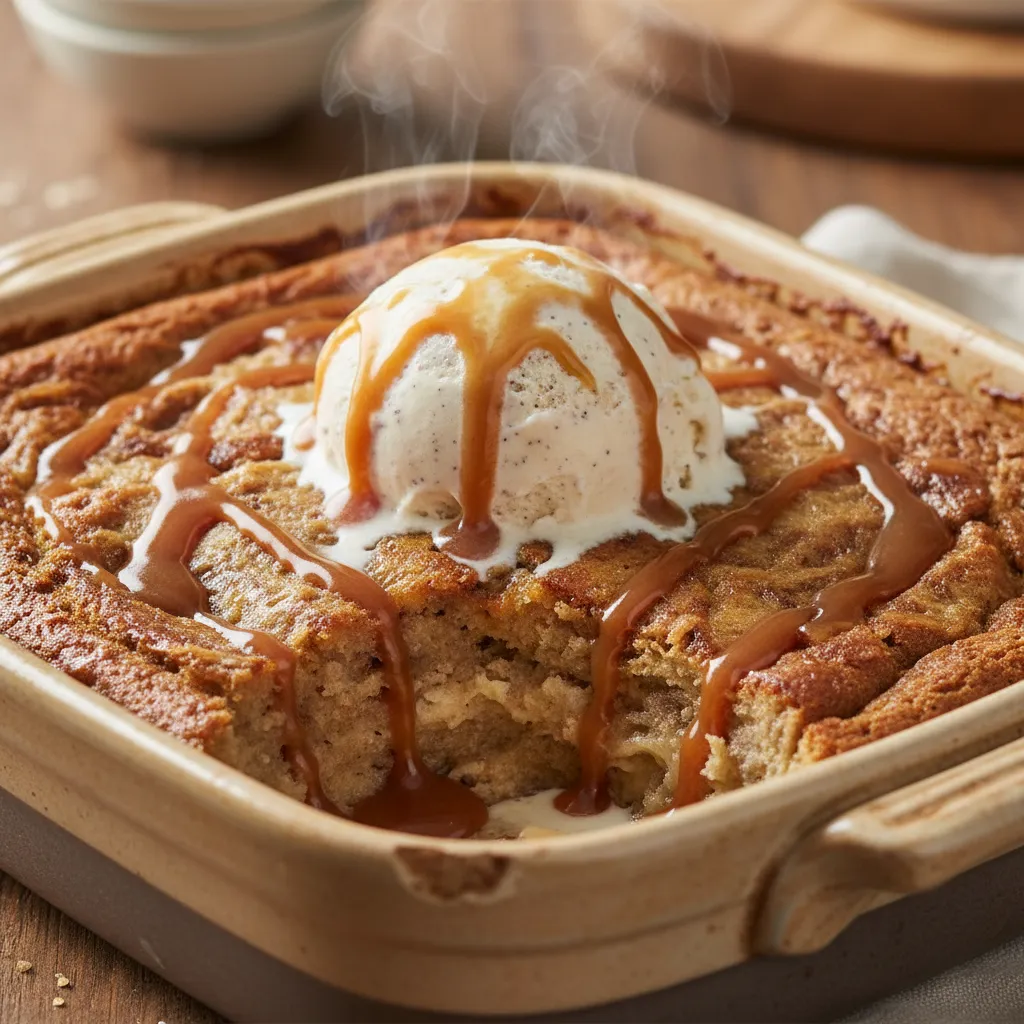
Banana Bread Pudding
This rich dessert embraces the dense texture of a fallen loaf. It transforms heavy crumbs into a decadent, gooey delight.
Ingredients
- 1 whole sunken banana bread loaf, cut into 1-inch cubes
- 2 cups whole milk
- 1 cup heavy cream
- 4 large eggs
- 0.5 cup granulated sugar
- 1 tbsp vanilla extract
- 1 tsp ground cinnamon
Instructions
- Preheat your oven to 350 degrees Fahrenheit and grease an eight-inch baking dish.
- Spread the cubed banana bread evenly into the prepared dish.
- Whisk the milk, cream, eggs, sugar, vanilla, and cinnamon together in a bowl.
- Pour the liquid custard over the bread cubes. Let it soak for 30 minutes.
- Bake for 45 minutes until the pudding is golden and the custard is fully set.
Using dense or slightly stale bread is actually optimal for bread pudding. The tight crumb structure acts like a sponge, absorbing the rich custard base without disintegrating into mush.
Cook’s Illustrated Editors, The Science of Bread Pudding

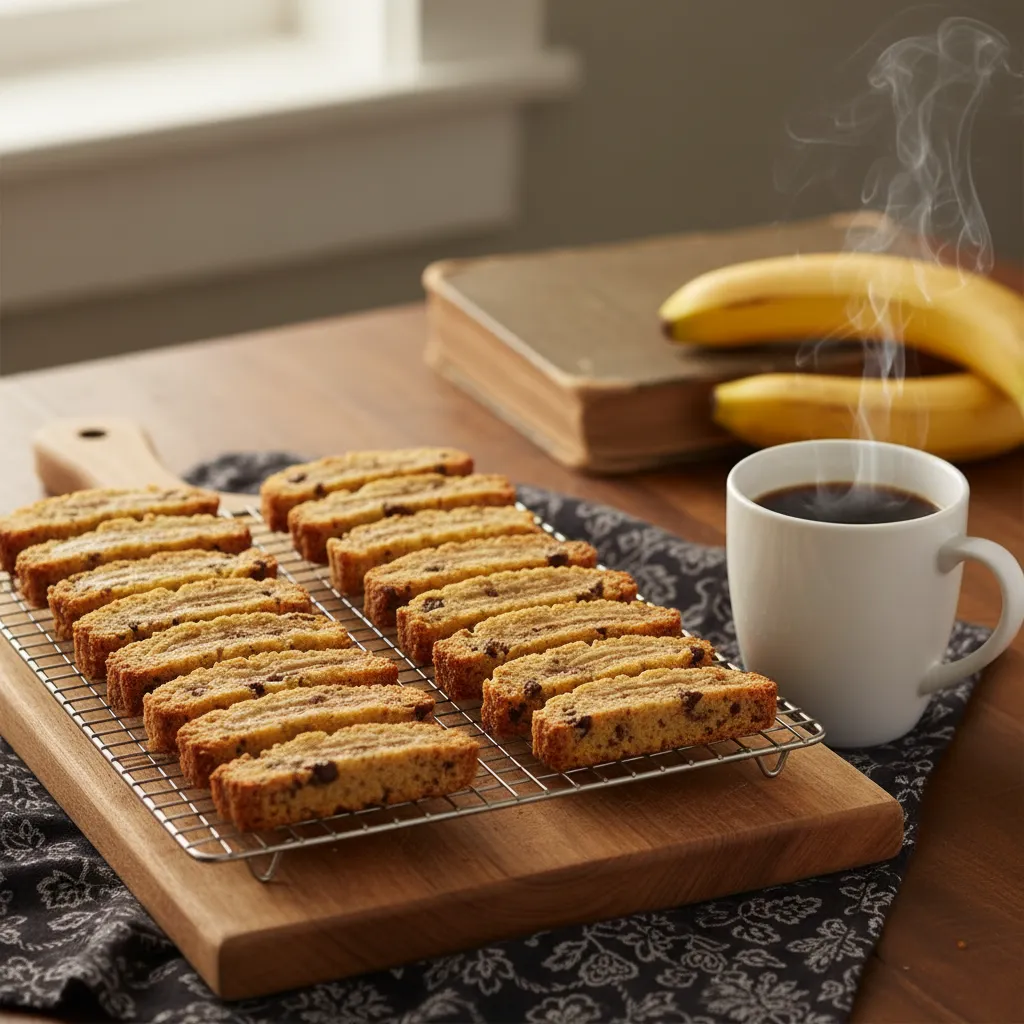
Banana Bread Biscotti
If the edges of your loaf are perfectly baked but the center is raw, biscotti is your best salvage strategy.
By slicing the cooked portions and baking them a second time, you create a delightfully crispy treat.
This crunchy transformation pairs beautifully with your morning coffee or a hot cup of tea.
If you love fast sweets, explore our easy quick healthy banana dessert recipes for more ideas.
- Slice the fully baked outer sections of the loaf into thin strips.
- Discard any raw, wet batter from the very center of the failed bake.
- Arrange the strips flat on a parchment-lined baking sheet.
- Bake at 300 degrees Fahrenheit for 20 minutes, flipping halfway.
- Let them cool completely on a wire rack to achieve maximum crunch.

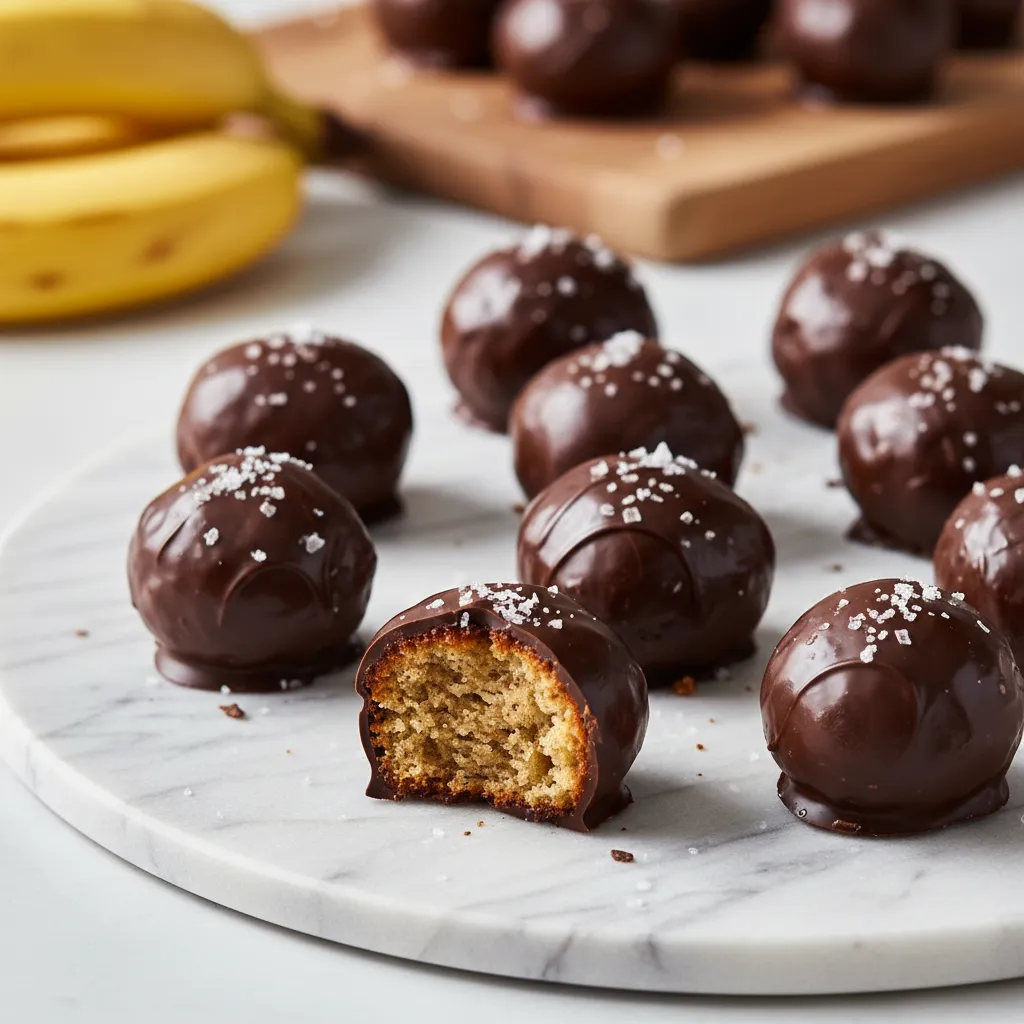
Banana Bread Truffles
A dense, underbaked center is basically a ready-made truffle filling.
The heavy, moist crumb easily rolls into perfectly round, bite-sized spheres of sweet perfection.
You can elevate these simple bites by dipping them in high-quality melted dark chocolate.
They make an incredible zero-waste treat to serve alongside homemade cold coffee recipes.
- Scoop out the dense, sunken middle of your baked loaf into a bowl.
- Mash the crumb with a fork until it forms a moldable, sticky dough.
- Roll the mixture into small, one-inch spheres using your hands.
- Chill the rolled bites in the refrigerator for at least one hour.
- Dip each chilled ball into melted dark chocolate and let it set.
These brilliant salvage methods prove that no delicious ingredient ever has to go to waste in your kitchen.
The Second-Chance Secret
- If your sunken loaf is too moist for truffles, mix in a tablespoon of cocoa powder or almond flour to reach the perfect rolling consistency without adding extra sugar.
- For the best bread pudding texture, lightly toast your banana bread cubes in the oven for 5-10 minutes before soaking to ensure they stay firm and flavorful rather than turning into mush.
- If the center of your loaf is completely liquid, spread it thinly on a sheet pan and bake at 350°F for 10 minutes to cook it through before mashing it into your truffle base for food safety.
Bake With Confidence: No More Sunken Centers
Baking the perfect banana bread is a beautiful balance of science and heart. Do not let a sunken middle discourage your baking spirit!
Remember to trust your oven thermometer. Ensure your batter is perfectly mixed, and always give that heavy center enough time to set.
By keeping your leavening agents precise, you protect that gorgeous rise. Soon, your kitchen will smell of pure, triumphant success.
Grab those overripe bananas and preheat that oven. Your next golden, perfectly domed slice of comfort is just one beautiful bake away!
Baker’s Troubleshooting Desk
Absolutely! While a sunken middle might be a bit dense or doughy, the fully baked edges are still a mouth-watering, safe treat to enjoy.
If the top looks deeply golden but the center is raw, loosely tent it with foil. This protects the crust while the middle sets beautifully.
Yes, extra-large bananas add too much heavy moisture. Stick to standard sizes or measure your mashed fruit to keep the batter perfectly balanced.
Insert a long toothpick into the highest peak. You want a few moist, tender crumbs clinging to it, rather than wet, shiny batter.