
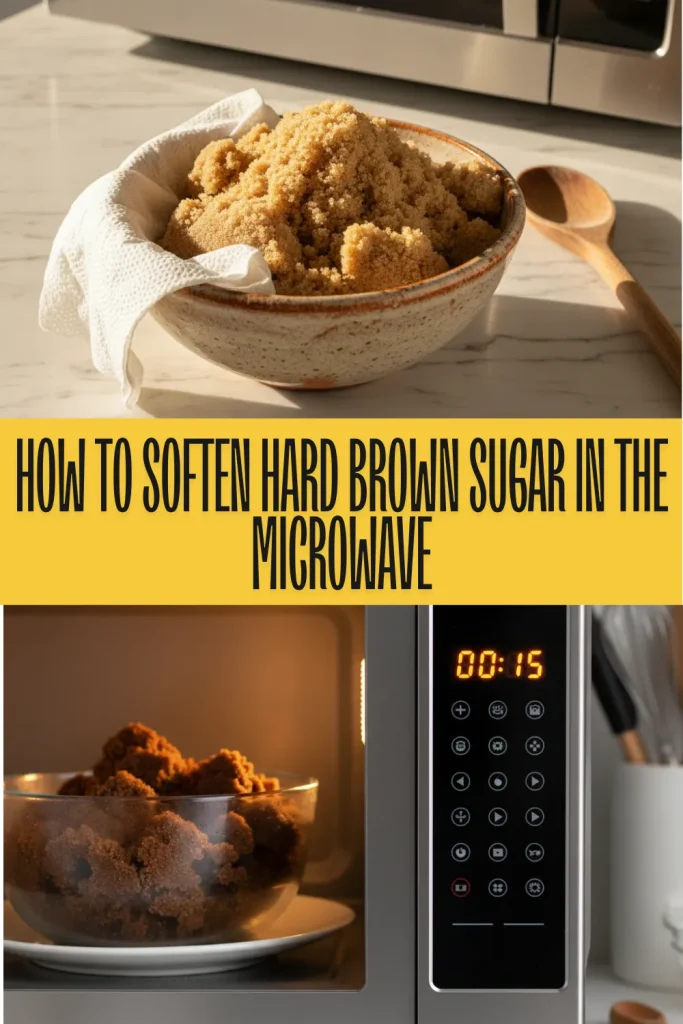

Table of Contents
- 1. Understand Moisture Loss and Drape a Damp Paper Towel Over a Microwave-Safe Bowl
- 2. Prevent Melting by Microwaving in Short 10 to 20-Second Intervals
- 3. Boost Humidity by Placing a Small Glass of Water Next to the Sugar
- 4. Follow a Precise Time-to-Volume Chart Based on Microwave Wattage
- 5. Troubleshoot Accidental Melting and Implement Airtight Long-Term Storage
- Sweet Success: Keeping Your Molasses Magic Alive
- Curiosities from the Kitchen Counter
There is nothing quite like the rich, molasses-scented aroma of fresh brown sugar to elevate your favorite cookies or glazed carrots.
However, we have all faced that moment of frustration when reaching for the pantry only to find a rock-hard block instead of soft granules.
This common kitchen hurdle can stall even the most passionate chef, but a simple solution is within your reach.
Learning to master your kitchen tools is a fundamental skill for every home cook.
Using the microwave to revive your sugar is a reliable technique that ensures your recipes remain perfectly balanced and delicious.
By applying gentle heat and moisture, you can restore that desired texture in mere seconds without compromising the deep flavors your family loves.
Let us transform that stubborn block back into the velvety sweetness needed for your next masterpiece.
This quick guide provides clear instructions to help you save time while maintaining the highest quality in your cooking.
Prepare to reclaim your ingredients and continue the joyful process of sharing a beautiful, homemade meal with those you cherish most.
1. Understand Moisture Loss and Drape a Damp Paper Towel Over a Microwave-Safe Bowl

Brown sugar owes its deeply caramelized flavor and soft texture to molasses. When exposed to air, this moisture evaporates rapidly.
The sugar crystals then lock together into a rock-solid mass. Restoring it is simply a matter of reintroducing that lost hydration.
This rapid moisture loss can ruin your baking plans. In fact, dry sugar is a common culprit if you wonder why your cookies spread flat.
Brown sugar becomes hard when the moisture in it evaporates. Storing brown sugar in a moisture-proof receptacle will keep it soft.
Official FAQ, Domino Sugar
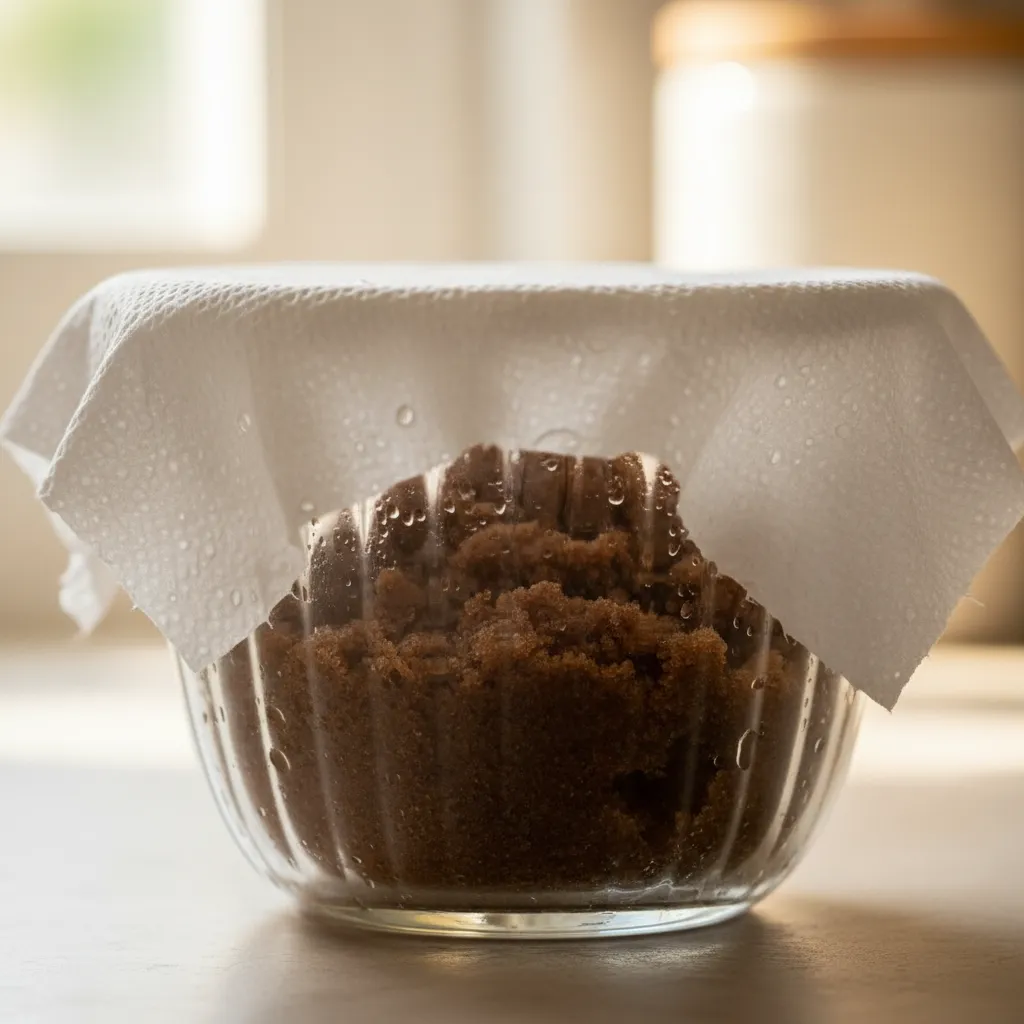
The fastest way to fix this is the damp paper towel method. It creates a mini steam room inside your microwave to gently soften the crystals.
Reviving hard brown sugar is not magic; it is simply the delicious science of returning lost moisture.
Ingredients
- 1 cup hardened brown sugar
- 1 heavy-duty paper towel
- 1 tablespoon filtered water
Instructions
- Place the hardened brown sugar blocks into a deep, microwave-safe glass or ceramic bowl.
- Moisten the paper towel with the water until damp, making sure to wring out any excess liquid.
- Drape the damp paper towel completely over the top of the bowl to trap the moisture inside.
- Microwave on medium power for 20 seconds, then check the texture and gently break apart lumps.
- Repeat in 10-second intervals if needed until the sugar returns to a wholesome, fluffy state.
Always proceed with caution. Microwaving too long will melt the sugar into a burning hot syrup, ruining its delicate, savory molasses notes.
| Softening Method | Speed | Moisture Control | Best For |
|---|---|---|---|
| Damp Paper Towel (Microwave) | ✅ Very Fast (Seconds) | ❌ Can accidentally melt sugar | Immediate baking needs |
| Bread Slice (Overnight) | ❌ Slow (12 to 24 hours) | ✅ Gentle and even hydration | Pantry storage maintenance |
| Terra Cotta Disk | ❌ Slow (24 hours) | ✅ Excellent long-term control | Preventing future hardening |
Once softened, transfer any remaining sugar into an airtight container immediately. This simple step keeps your pantry completely waste-free.
The Sugar Saver’s Secret
- To prevent future hardening, always store your revived sugar in an airtight container with a tight silicone seal to lock in that crucial molasses moisture.
- If you are not in a rush, place a slice of fresh bread or an apple wedge in the container overnight; the sugar will naturally pull the moisture it needs from them.
- Always check your sugar after 20 seconds in the microwave to avoid melting the granules into a sticky syrup, which can happen very quickly.
1. Understand Moisture Loss and Drape a Damp Paper Towel Over a Microwave-Safe Bowl

Brown sugar turns into a solid brick when its natural moisture evaporates. The molasses simply dries out over time.
To restore that soft texture, we must reintroduce water. The microwave offers the absolute fastest method for this.
Just like knowing the best way to store fresh ginger long term, managing moisture is key.
Brown sugar becomes hard when moisture in the sugar evaporates. Tightly closing the container helps prevent this.
Domino Sugar Experts, Domino Sugar Official FAQ
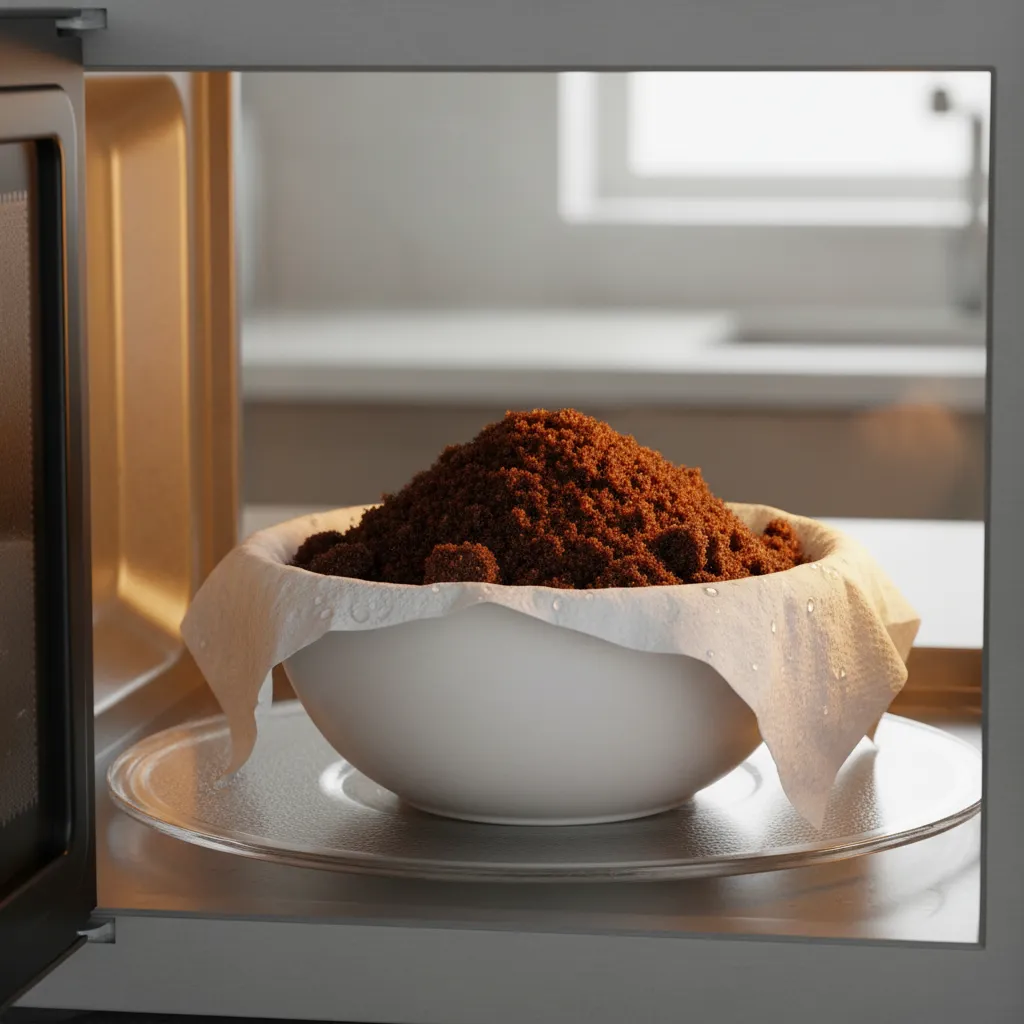
This rapid steam infusion gently revives those rich caramelized notes. It makes the sugar perfectly ready for baking.
This trick is a lifesaver when making healthy peanut butter blossom cookies on a whim.
Restoring brown sugar is simply the beautiful art of returning its lost molasses moisture.
Prepare your mise en place before starting to ensure the steaming process works perfectly.
| Heating Method | Safe Steaming | Even Softening |
|---|---|---|
| Damp Paper Towel | ✅ Yes | ✅ Yes |
| Dry Microwaving | ❌ No | ❌ No |
Ingredients

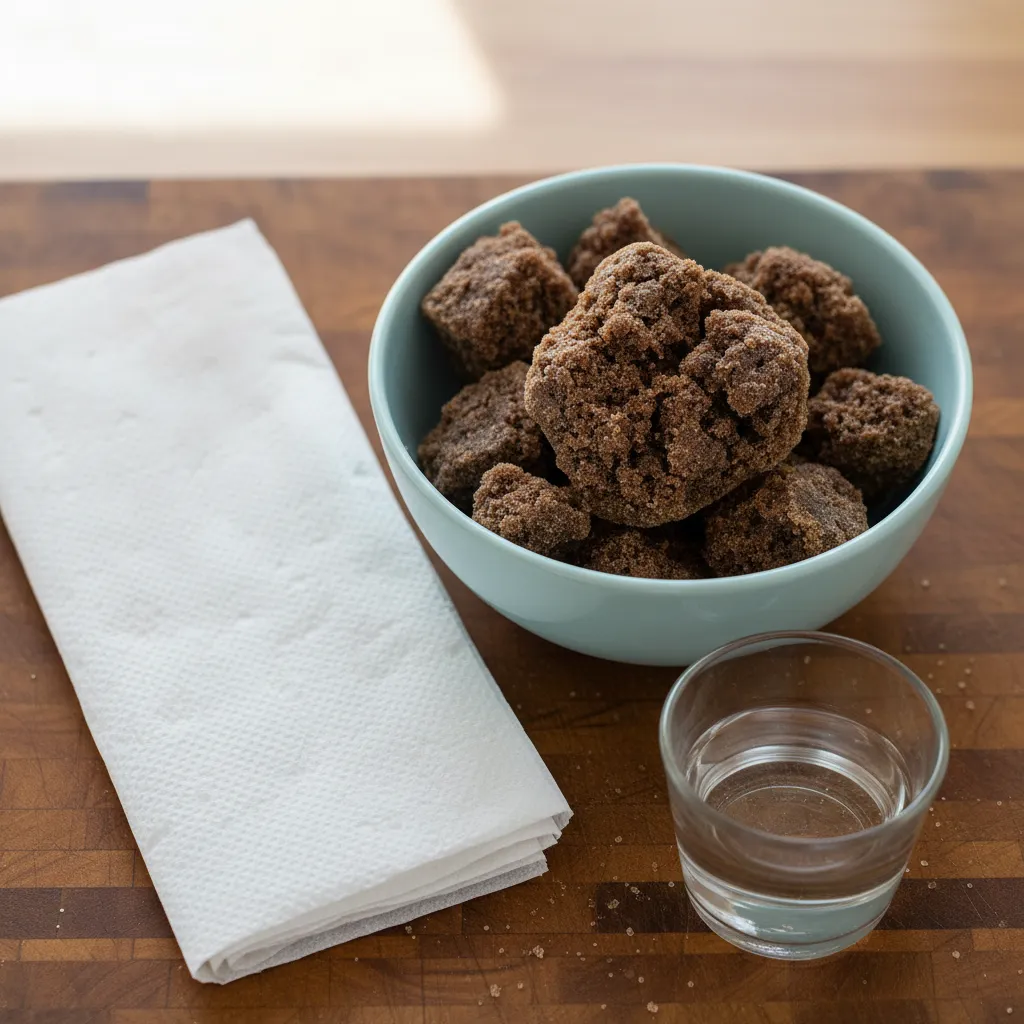
- 1 cup hard brown sugar
- 1 sheet premium paper towel
- 1 tbsp clean water
Instructions

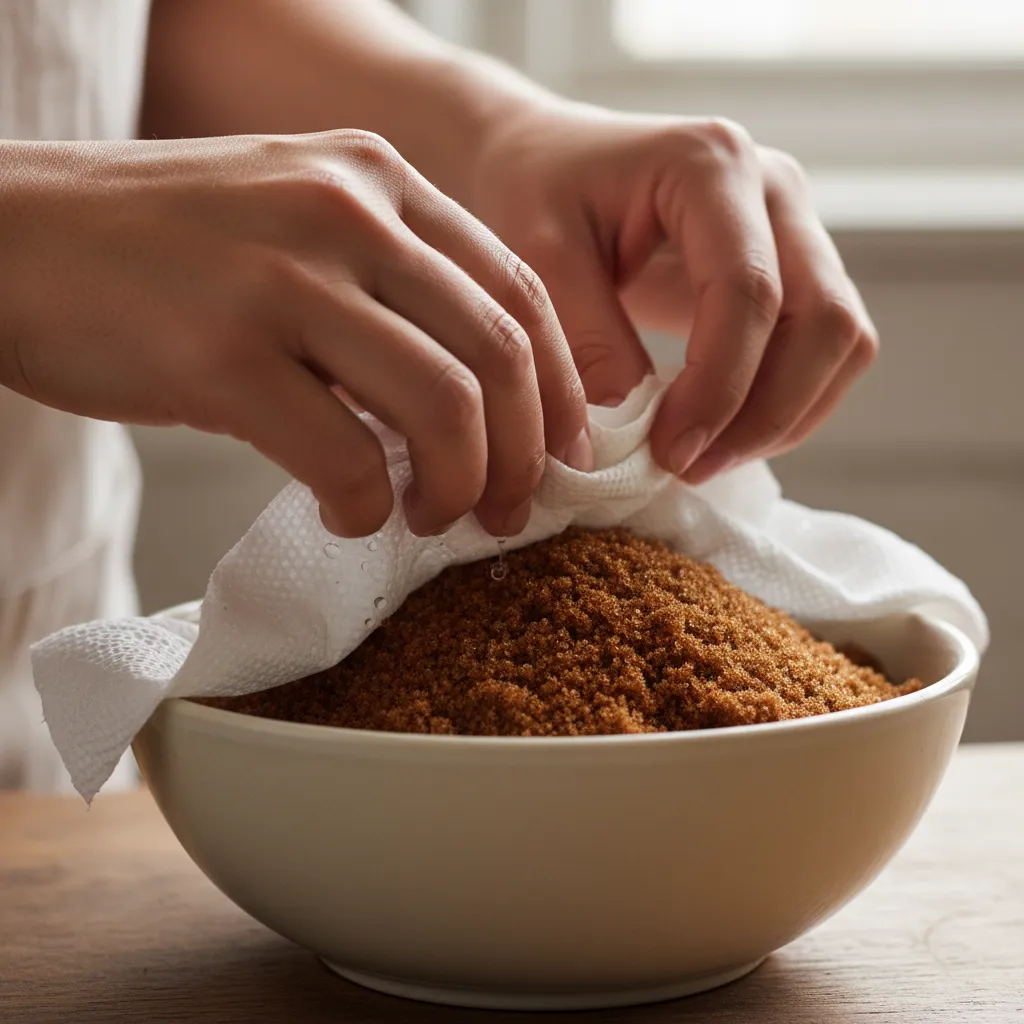
- Transfer your hardened sugar into a spacious microwave-safe bowl.
- Moisten the paper towel with water and wring it out completely.
- Drape the damp towel over the bowl to create a gentle seal.
- Microwave on medium power for twenty seconds to create steam.
- Fluff the softened sugar with a fork to break apart any clumps.
Sweet Baker Secrets
- Mind the moisture: Ensure your paper towel is only slightly damp, never dripping. Too much water will melt the sugar and leave you with a sticky syrup instead of fluffy granules.
- Check the power level: Always use medium power and check after the first ten seconds. Microwaving on high can scorch the molasses and ruin the batch.
- Prevent future bricks: After softening, store your remaining brown sugar in an airtight container with a fresh marshmallow or a piece of bread to maintain that perfect moisture level.
2. Prevent Melting by Microwaving in Short 10 to 20-Second Intervals
The Science of Short Microwave Bursts

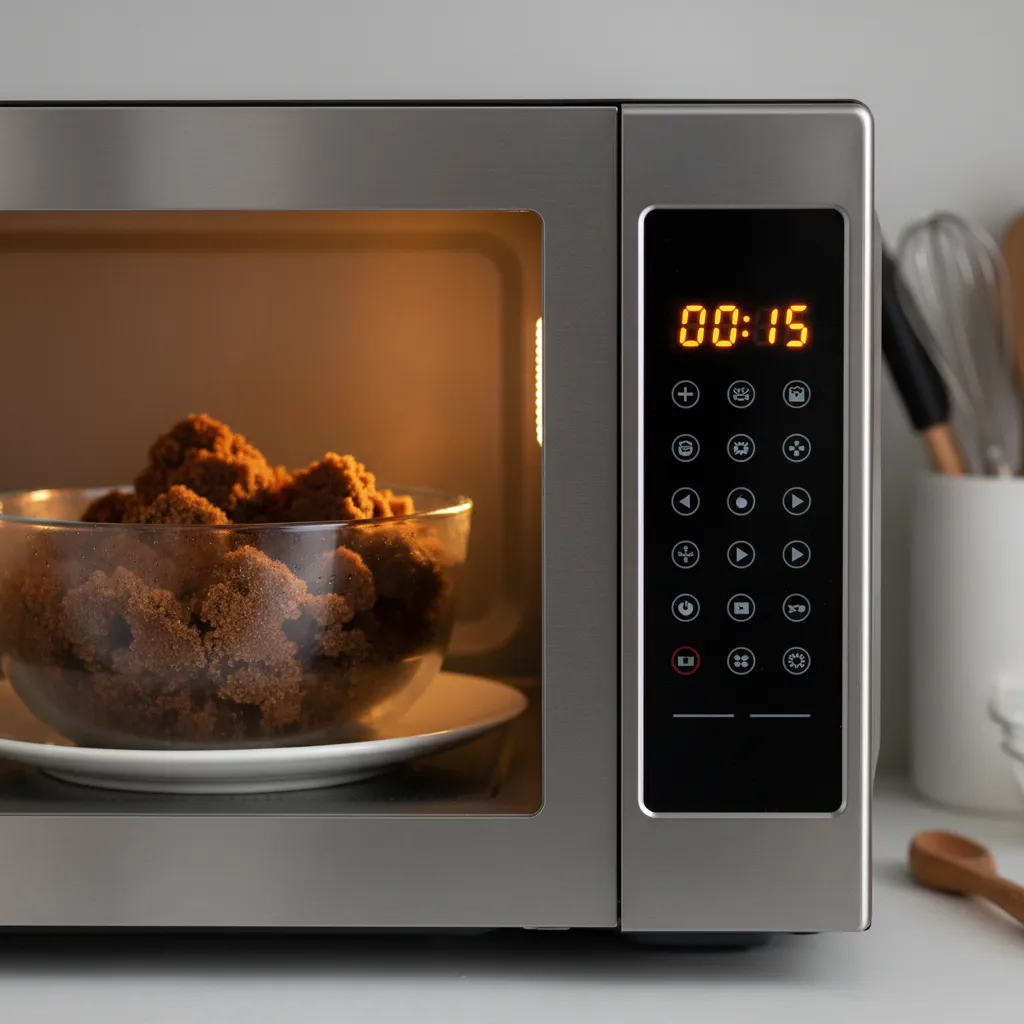
When you microwave brown sugar, you are heating the natural molasses wrapped around each crystal. This syrup heats up incredibly fast.
If you microwave the sugar for too long, the molasses reaches a boiling point. This turns your wholesome ingredient into a sticky puddle.
Melted brown sugar cools into a hard candy. Using this altered sugar is a major reason why cookies spread flat during baking.
Keep a close eye on your sugar. Use these visual cues to know exactly when to stop the microwave and check your progress.
- 10 Seconds: The sugar feels warm but still holds its solid, rigid shape.
- 20 Seconds: The edges begin to crumble and release a rich, caramelized aroma.
- 30 Seconds: The center yields easily when pressed gently with a fork.
Microwave the brown sugar on high for 15 to 20 seconds. Check the sugar. If it is still hard, microwave for another 15 to 20 seconds.
Peggy Trowbridge Filippone, The Spruce Eats
Patience is the secret ingredient. Short microwave bursts awaken the molasses without melting the magic.
Ingredients

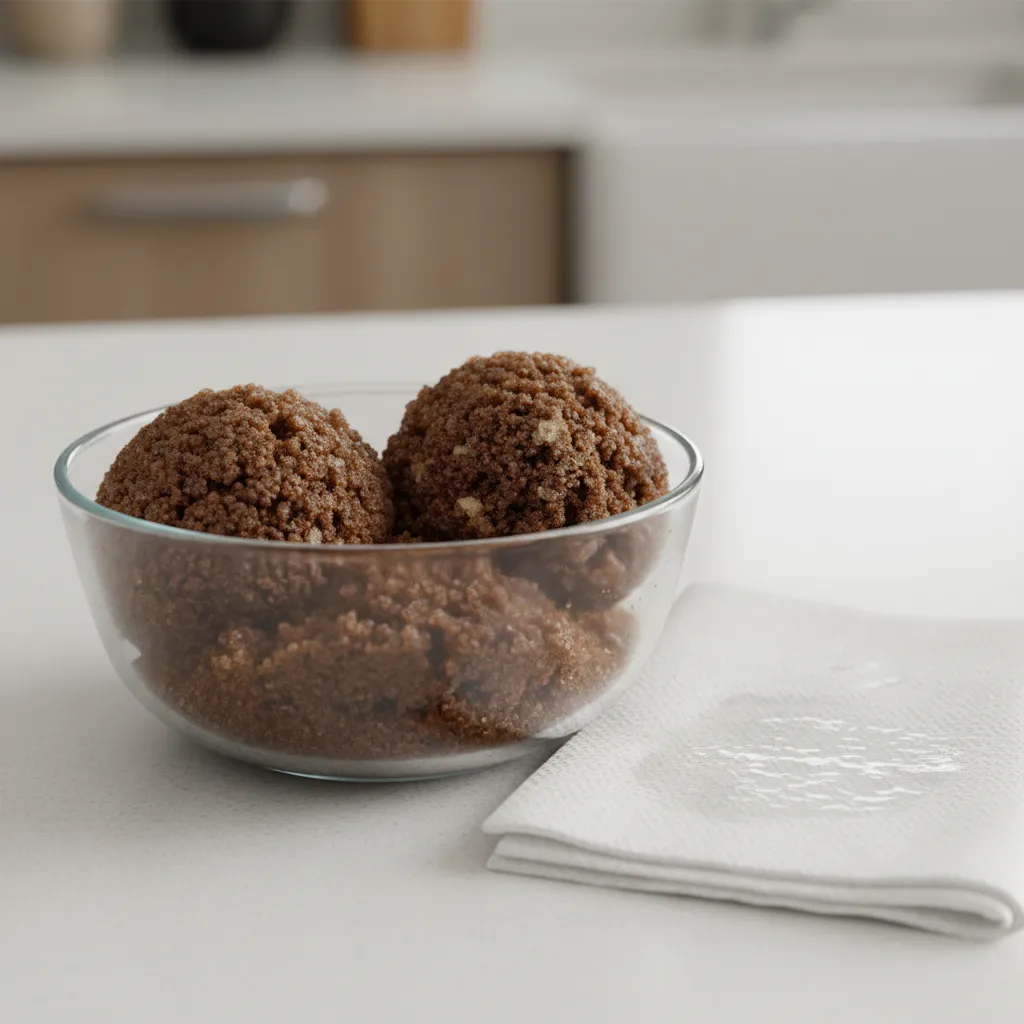
- 2 cups of rock-hard brown sugar
- 1 damp paper towel
Instructions

- Place the 2 cups of hardened sugar into a microwave-safe glass bowl.
- Drape the damp paper towel over the bowl, ensuring it does not touch the sugar.
- Microwave on high power for exactly 15 seconds.
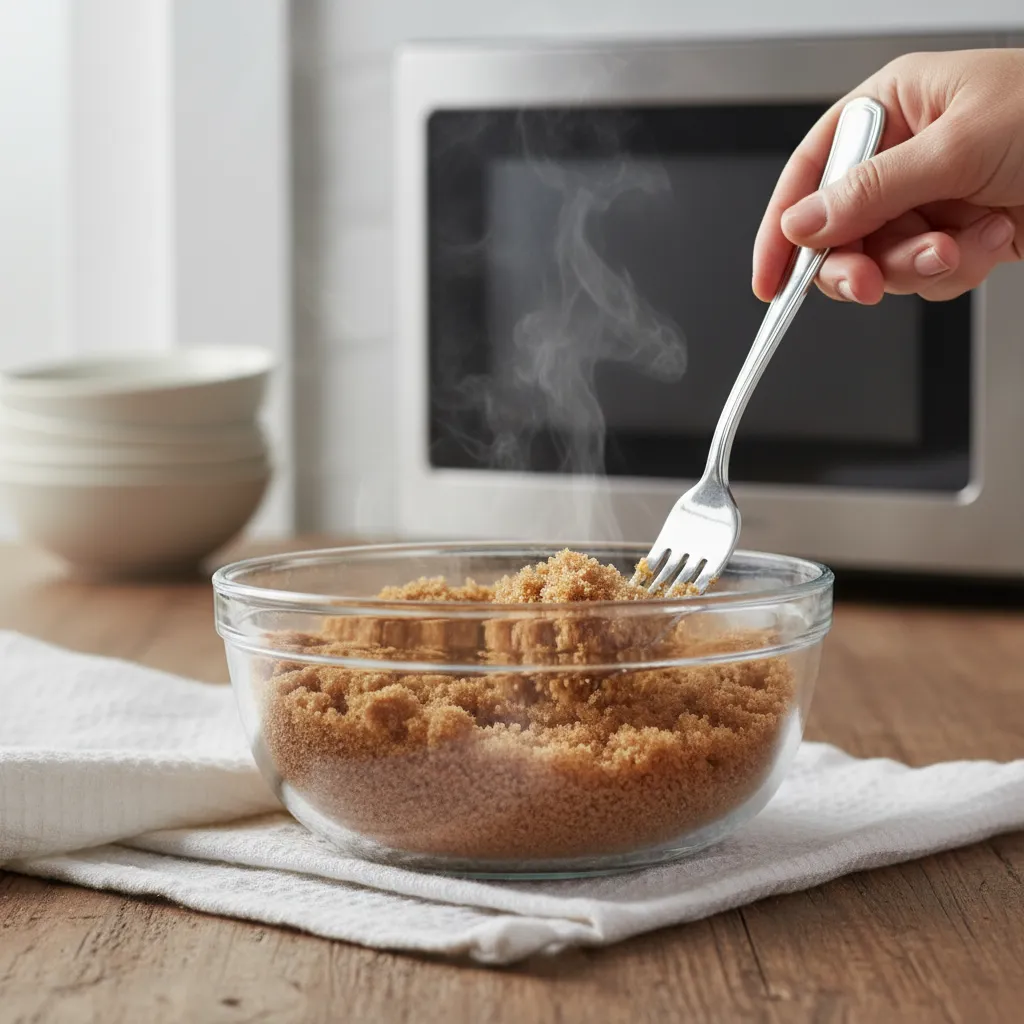
- Remove the bowl carefully and fluff the edges with a fork to check the texture.
- Repeat in 10-second intervals until the sugar reaches a soft, fluffy consistency.
Perfectly softened brown sugar blends seamlessly into your mise en place. It restores that beautiful umami depth to your favorite recipes.
It is incredibly helpful when you are exploring what to do with leftover egg whites for delicate, sweet treats.
Chef’s Softening Secrets
- Use a fork to fluff the edges between every interval; this helps distribute the heat and prevents a single hot spot from turning into molasses syrup.
- Always place your microwave bowl on the outer edge of the turntable rather than the center for more even heating and to avoid scorching the middle.
- If you sense a caramelized smell, stop immediately! That aroma means the sugar is on the verge of melting into hard candy.
3. Boost Humidity by Placing a Small Glass of Water Next to the Sugar

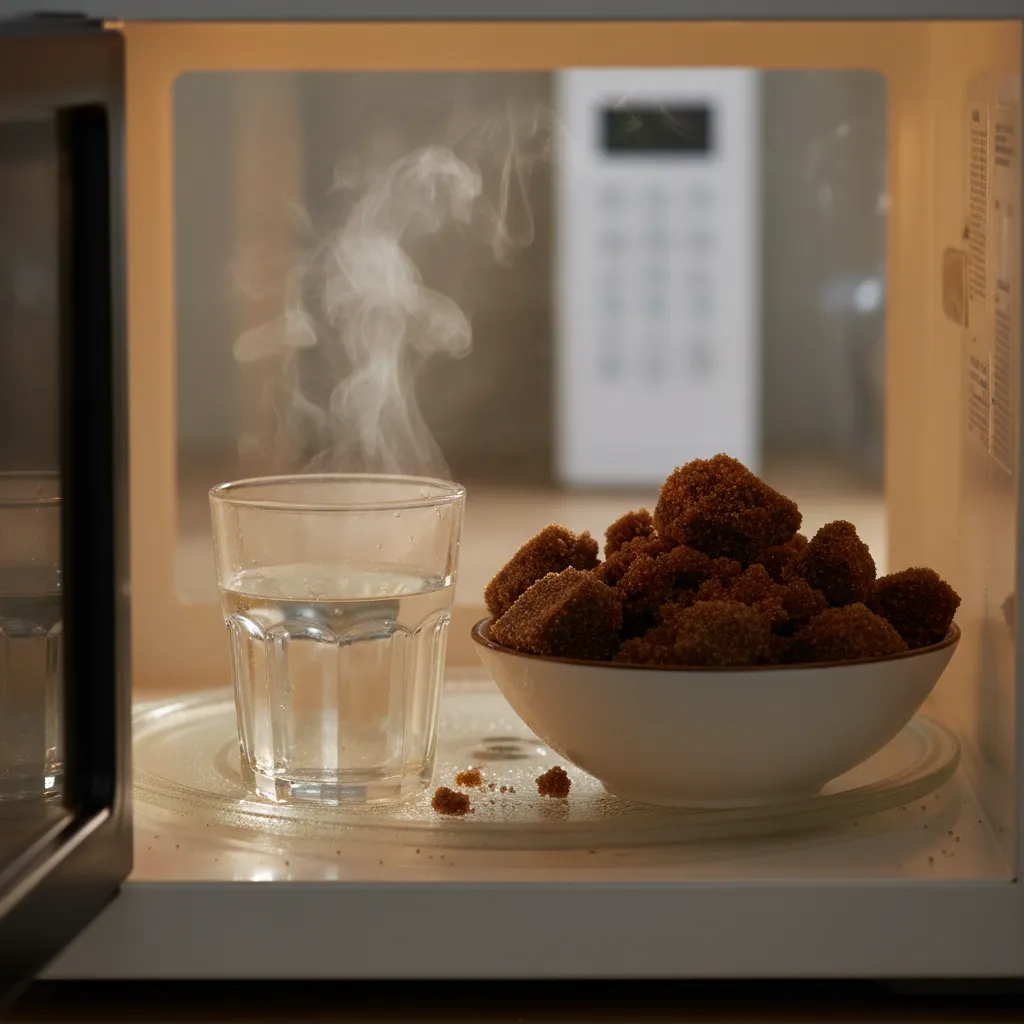
Using a small glass of water is a brilliant way to introduce steam. The microwave heats the water quickly, creating a humid environment.
This method gently infuses moisture back into the dried molasses. Your rock-hard sugar quickly transforms back into a fluffy, wholesome state.
A simple glass of water is the secret to reviving rock-hard brown sugar into a fluffy, caramelized dream.
When preparing your mise en place for baking, discovering hard sugar is frustrating. Just like reviving stale flour tortillas, moisture is key.
You must use a separate glass to prevent the sugar from melting into a sticky puddle. The indirect steam protects the delicate flavor profile.
Ingredients
- 2 cups hard brown sugar
- 3 tbsp pure tap water
Instructions

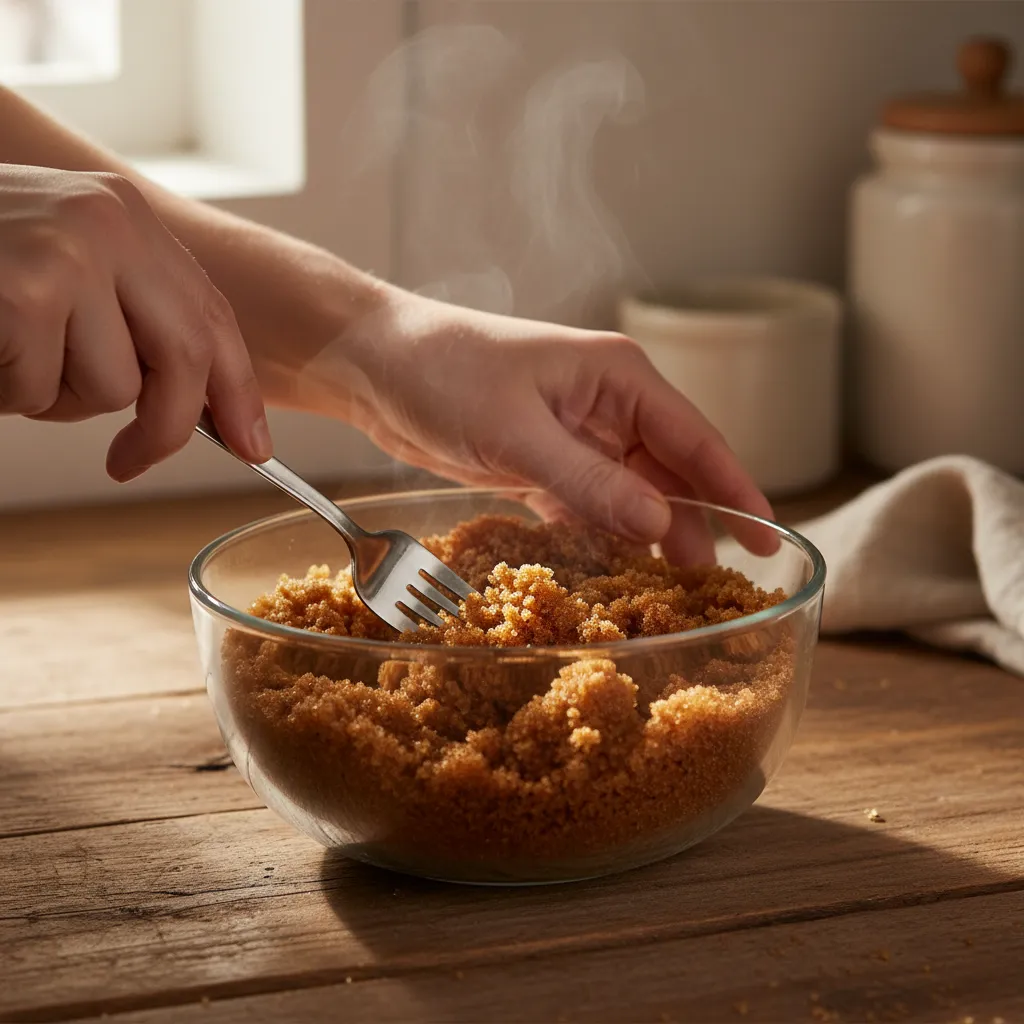
- Measure the Sugar: Place up to 2 cups of hardened brown sugar into a microwave-safe bowl.
- Prepare the Water: Fill a small, microwave-safe glass with exactly 3 tablespoons of water.
- Positioning: Place the glass of water directly next to the bowl of sugar in your microwave.
- Microwave: Heat on medium power for roughly 20 seconds to create a gentle steam bath.
- Fluff and Check: Carefully remove the bowl. Mash any remaining clumps with a sturdy fork.
If the sugar remains firm, repeat the process in 10-second intervals. This prevents the caramelized notes from developing a burnt, bitter taste.
Place the hardened brown sugar in a microwave-safe bowl along with a small glass of water. Microwave on high for 15 to 20 seconds.
Test Kitchen Editors, Better Homes & Gardens
Be extremely cautious when removing the glass of water. The container can become incredibly hot, so always use a thick towel or an oven mitt.
This technique is entirely plant-based and gluten-free. It uses nothing but pure water to restore that rich, savory depth to your baked goods.
The Softness Secret
- To ensure even softening, use medium power (50%) to prevent the sugar at the edges from melting while the center is still hard.
- For extra-stubborn clumps, try covering the sugar bowl with a damp paper towel in addition to the glass of water for maximum steam.
- Once your sugar is fluffy and soft, store it in an airtight container with a marshmallow or a slice of bread to prevent it from hardening again.
4. Follow a Precise Time-to-Volume Chart Based on Microwave Wattage

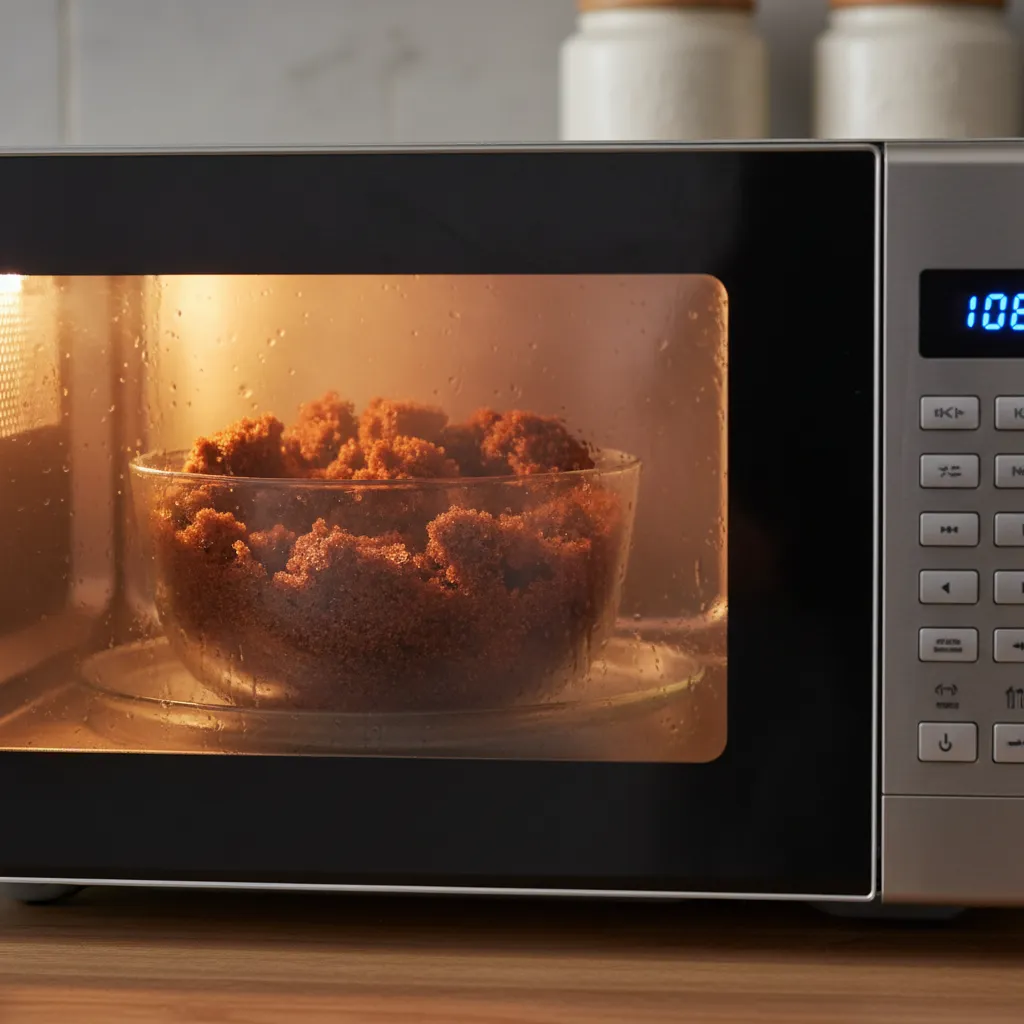
Microwave wattage varies greatly in modern kitchens. Using the wrong power level can melt your sugar into a hardened, caramelized mess.
Understanding your machine prevents disaster. A high-wattage microwave requires significantly less time to soften that wholesome sweetness.
Exact texture is vital for an easy simple homemade cinnamon rolls recipe for beginners.
Precision is the secret ingredient to rescuing hardened sugar without losing its rich, wholesome flavor.
Use this data-driven chart to find the perfect heating time. Always check your appliance manual to confirm its exact power output first.
| Microwave Wattage | Sugar Volume | Heating Time |
|---|---|---|
| 700W | 1/2 cup | 20 seconds |
| 700W | 1 cup | 25 seconds |
| 1000W | 1/2 cup | 10 seconds |
| 1000W | 1 cup | 15 seconds |
| 1200W+ | 1/2 cup | 8 seconds |
| 1200W+ | 1 cup | 12 seconds |
Our Flavoryn Recipe Math guide helps with tricky conversions during your baking journey.
Ingredients

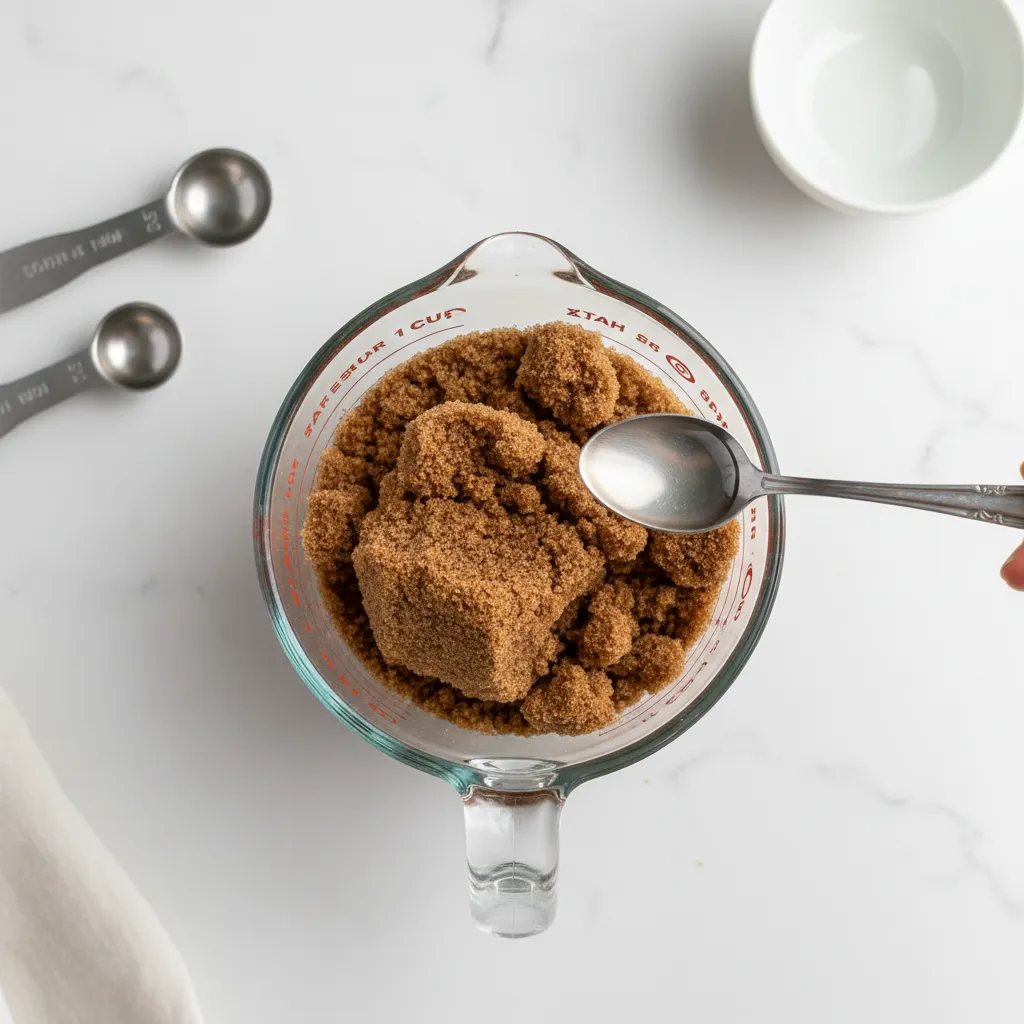
- 1 cup hard brown sugar
- 1 tbsp distilled water
Instructions

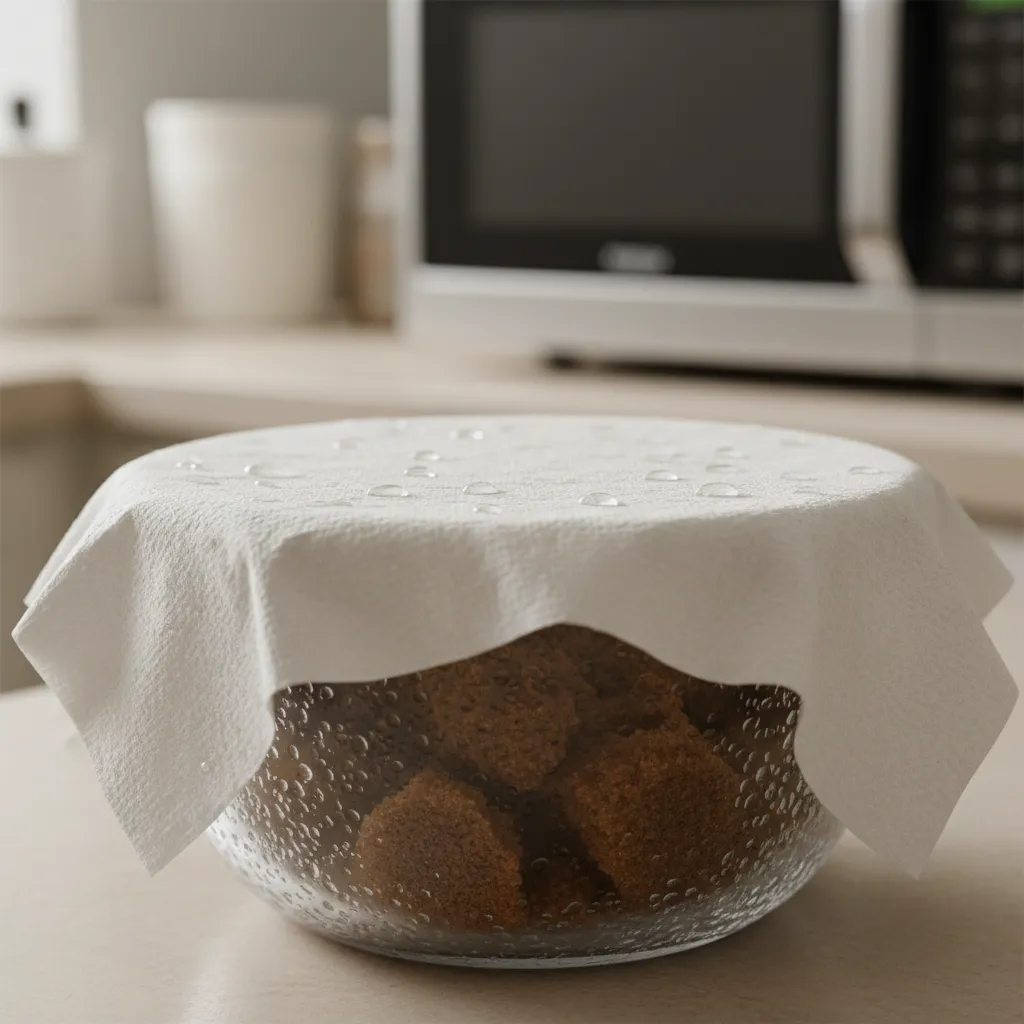
- Place the solid sugar into a heavy, microwave-safe glass bowl.
- Moisten a thick paper towel with the water and wring it out completely.
- Drape the damp towel over the bowl to trap the hydrating steam.
- Microwave using the chart times, pausing to check the texture.
- Fluff the warm sugar with a fork before adding it to your batter.
Place the hard sugar in a microwave-safe bowl. Cover the bowl with a damp paper towel. Microwave on high for 10 to 20 seconds.
Culinary Team, Betty Crocker Baking Guide
Fluffing the sugar immediately prevents it from cooling and hardening again. The trapped steam helps restore its beautiful, artisanal texture.
Never leave the kitchen while the microwave runs. A few seconds of overcooking can quickly burn the sensitive molasses.
Chef’s Sweet Secrets
- If your microwave is over 1200W, consider using 50% power to ensure the molasses softens gently without caramelizing into a hard lump.
- Always use a heavy glass or ceramic bowl; these materials retain heat more effectively than plastic, helping the steam penetrate the sugar crystals more deeply.
- Check for your microwave’s wattage on a small sticker usually located inside the door frame or on the back of the unit before you start your timer.
5. Troubleshoot Accidental Melting and Implement Airtight Long-Term Storage

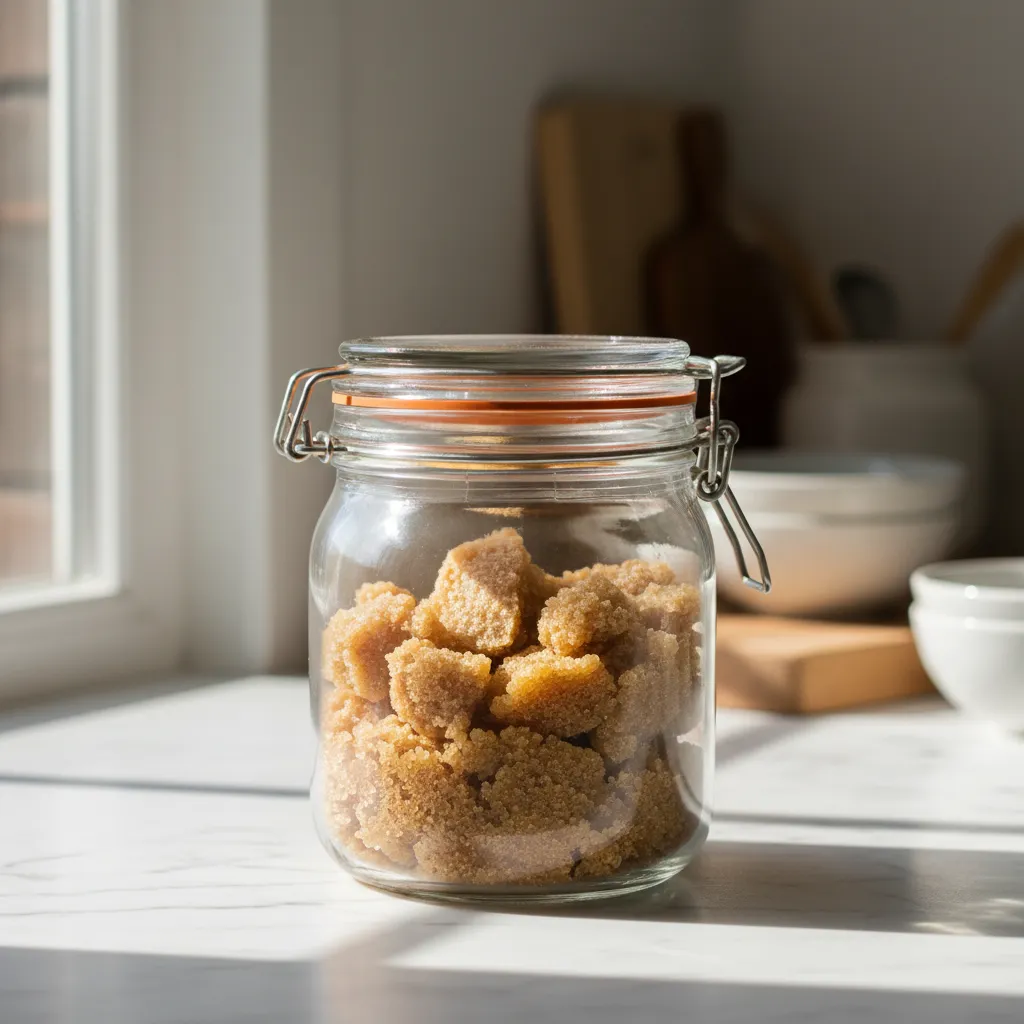
Microwaving brown sugar requires careful attention. If you heat it for too long, it transforms from soft, artisanal clumps into a dangerously hot liquid.
When accidental melting occurs, the sugars have fully caramelized. This syrupy reduction is incredibly hot and can cause severe kitchen burns.
Do not attempt to save fully melted brown sugar for baking. Its chemical structure changes entirely, which will alter the delicate balance of your recipe.
How to Handle Partially Melted Sugar

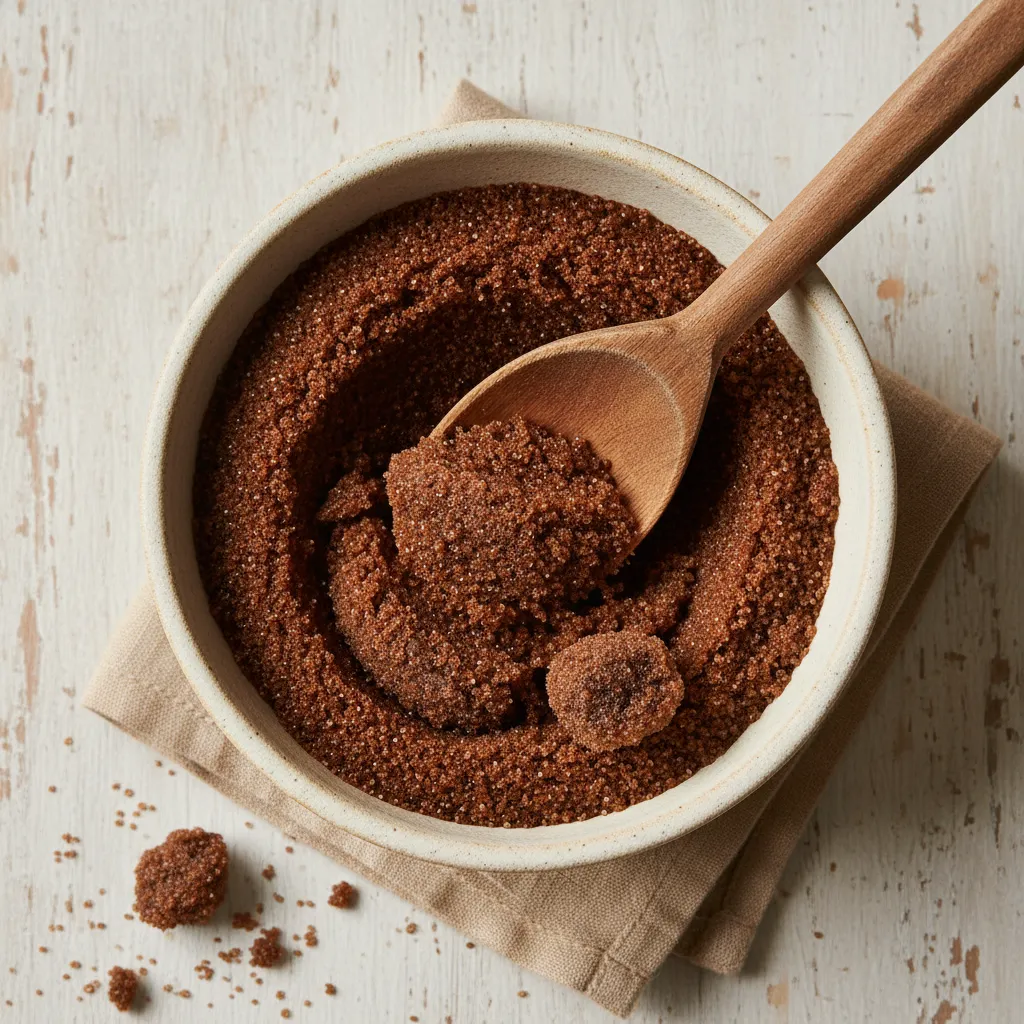
If only the edges are melting, you must act quickly. Remove the bowl from the microwave and vigorously stir the warm mixture to distribute the heat.
This action helps the sugar crystals reabsorb the stray moisture before it hardens again. Let the mixture cool completely before using it.
Properly cooled, it should remain pliable enough for a savory marinade or a wholesome batch of cookies.
Proper storage is the ultimate secret to maintaining that perfect, velvety texture in your brown sugar.
Airtight Long-Term Storage Solutions

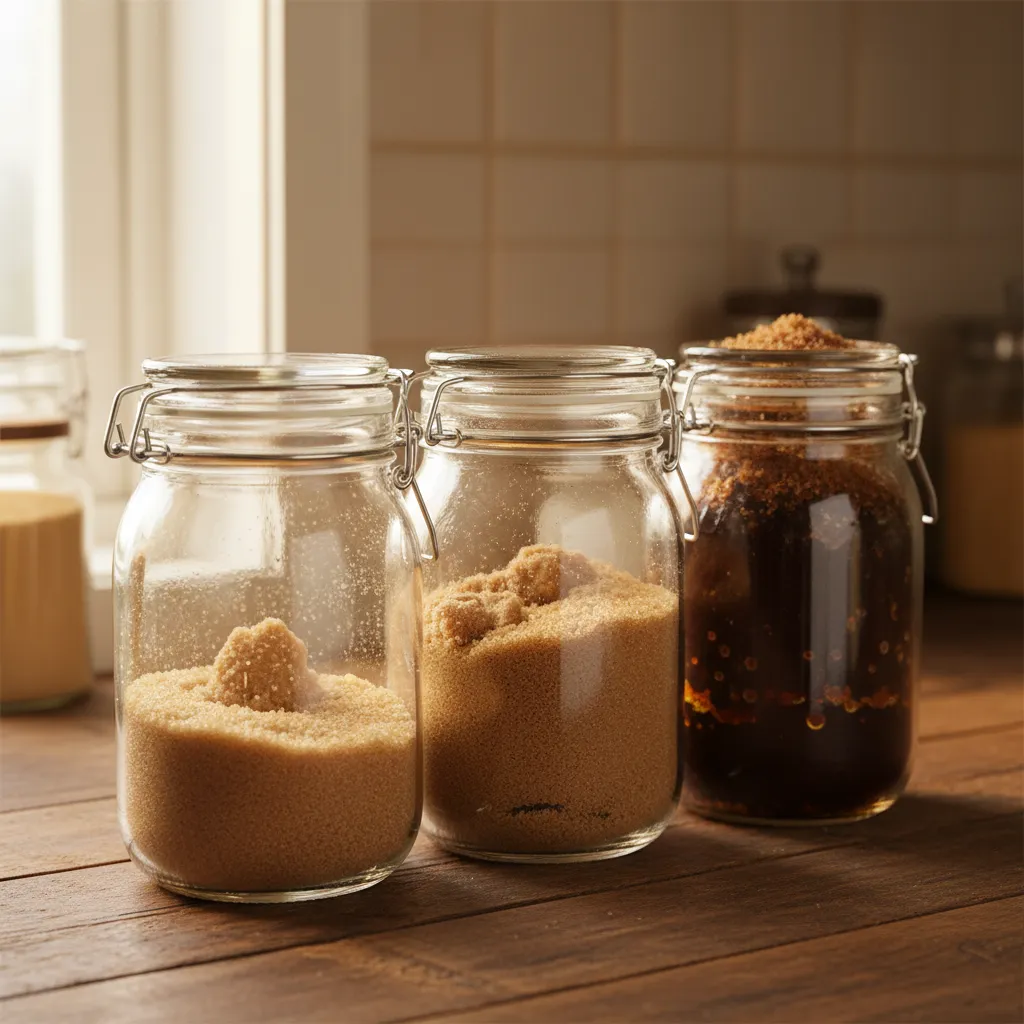
Once you soften your sugar, preventing future hardening is vital. The ultimate goal is to trap the natural molasses moisture securely inside.
Building a well-stocked Virtual Pantry starts with securing foundational baking ingredients like fresh, soft brown sugar.
Transfer your softened sugar to a dedicated, airtight container immediately. Heavy glass jars with rubber silicone gaskets work beautifully for this.
Just as you would learn how to store fresh herbs for weeks, your sugar needs dedicated protection from dry air.
Brown sugar becomes hard when moisture in the sugar evaporates. Storing it in an airtight container helps retain this moisture.
Utah State University Extension, Storing Sugars Guide
To help you choose the best vessel, here is a quick breakdown of common storage options and their overall effectiveness.
| Container Type | Moisture Retention | Best Use Case |
|---|---|---|
| Glass Jar with Clamp Lid | Excellent | Long-term pantry storage. |
| Locking Plastic Tub | Very Good | Bulk storage for frequent baking. |
| Zip-Top Freezer Bag | Moderate | Short-term storage, remove all air. |
| Original Plastic Bag | Poor | Not recommended after opening. |
If you lack a terra cotta disk, this simple, organic method restores moisture effectively overnight.
Ingredients
- 2 cups hard brown sugar
- 1 thick slice fresh organic apple (core removed)
- 1 airtight glass storage jar
Instructions
- Transfer the hardened brown sugar into your airtight glass storage jar.
- Place the fresh, wholesome apple slice directly on top of the packed sugar.
- Seal the jar tightly and leave it undisturbed at room temperature for 24 hours.
- Remove and discard the apple slice once the sugar has absorbed the moisture.
This gentle infusion of natural fruit moisture brings the sugar back to its perfect, fluffy state without any harsh heat.
Sweet Success Hacks
- To keep your sugar soft indefinitely, place a damp (not dripping) paper towel over the top of the sugar inside your airtight container to create a micro-humidity chamber that prevents the molasses from drying out.
- If you are in a pinch and your sugar has turned into a hard brick, use a dual-barrier system by placing the sugar in a sealed freezer bag before putting it inside a heavy-duty glass container.
- Always microwave in short, 10-second bursts to ensure even heat distribution and avoid the ‘liquid lava’ stage where the chemical structure changes permanently.
Sweet Success: Keeping Your Molasses Magic Alive
Baking should be a joy, never a chore. Rescuing your rock-hard brown sugar is just a quick trip to the microwave away.
With a damp paper towel and a few seconds, you can restore that mouth-watering, fluffy texture. Your cookies will thank you.
Remember to store any leftovers in an airtight container. Protect those rich molasses notes for your next great culinary bake.
Curiosities from the Kitchen Counter
You can use a clean, damp kitchen cloth. Ensure it is microwave-safe and free of lingering soap, which could taint that sweet molasses flavor.
The microwave method is a quick fix. It will harden again as it cools. Only soften what you need for your immediate baking prep.
Heating it too long will melt the sugar into a hot, sticky syrup. Always use short, 10-second bursts to gently coax the moisture back in.
Absolutely! Both light and dark varieties rely on molasses for their soft, savory texture. The damp paper towel trick works beautifully for both.